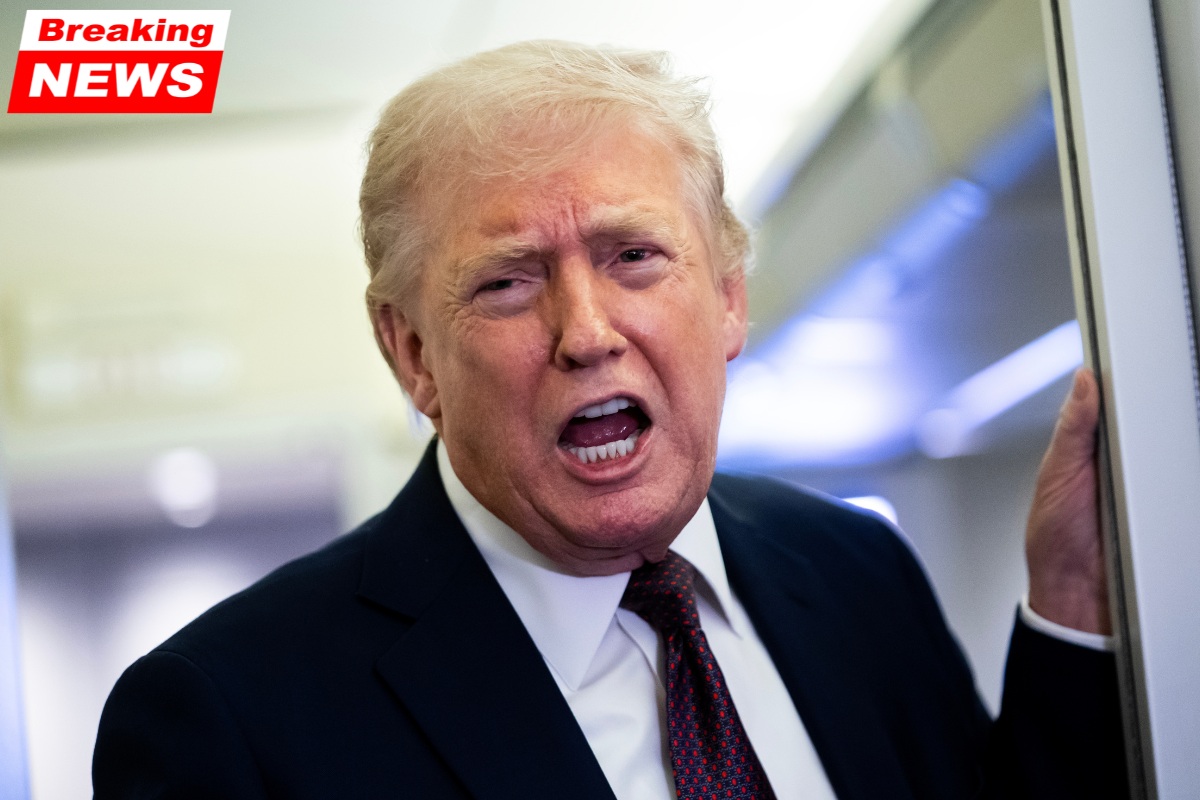
House Speaker Mike Johnson said Wednesday that the escalating conflict involving Iran has complicated Republican efforts to improve affordability for Americans, while defending President Donald Trump against criticism over remarks about the economy and consumer costs.
Johnson’s comments came during a press conference after Trump stated the previous day that Americans’ financial situations were not motivating him “even a little bit” in negotiations involving Iran. Trump instead emphasized that his primary concern was preventing Iran from obtaining a nuclear weapon.
The remarks sparked political criticism and raised questions about how the administration is balancing foreign policy priorities with growing economic pressure on American households.
Overview of Johnson’s Comments
| Key Detail | Information |
|---|---|
| Speaker | Mike Johnson |
| Main Issue | Iran conflict and U.S. economy |
| President Mentioned | Donald Trump |
| Economic Concern | Rising gas prices and inflation |
| Inflation Rate Mentioned | 3.8% in April |
| Average Gas Prices | Over $4.50 per gallon |
| Key Global Issue | Strait of Hormuz disruption |
| Republican Focus | Affordability and inflation reduction |
What Trump Said About Americans’ Financial Situations
The controversy began after Trump told reporters that Americans’ financial situations were not a deciding factor in his approach toward Iran.
Trump reportedly said he was not thinking “even a little bit” about Americans’ financial situations when considering negotiations with Iran. Instead, he said his focus remained on preventing Iran from developing a nuclear weapon.
The comments quickly attracted criticism from political opponents who argued that rising inflation, high gas prices, and broader economic pressures are major concerns for American families.
Johnson attempted to soften the impact of Trump’s remarks during Wednesday’s press conference.
“I don’t know the context in which he made that comment,” Johnson said, “but I can tell you the president thinks about Americans’ financial situations.”
Johnson added that he speaks with Trump multiple times per day and insisted economic issues remain a constant topic of discussion.
Iran Conflict and Economic Pressure
Johnson argued that the conflict involving Iran is directly contributing to higher prices across the U.S. economy.
According to the Speaker, disruptions involving the Strait of Hormuz have placed pressure on global energy markets and contributed to rising fuel prices.
The Strait of Hormuz is one of the world’s most important oil shipping routes, and concerns about Iranian interference with tanker traffic have increased fears of supply disruptions.
Johnson said:
“As soon as that’s resolved, you’re going to have an alleviation of the pain at the pump.”
The administration believes reopening stable shipping access through the region could help reduce fuel costs and ease inflationary pressure nationwide.
Gas Prices and Inflation Continue Rising
The economic concerns surrounding the Iran conflict come as Americans face rising fuel and consumer prices.
According to data from AAA, average gas prices have climbed above $4.50 per gallon nationwide.
At the same time, new figures released by the United States Department of Labor showed inflation rising to 3.8% in April, the highest level recorded in three years.
The increase has intensified political pressure on Republicans, who campaigned heavily on reducing inflation and improving affordability after years of elevated prices during the Biden administration.
Johnson blamed what he called “gross misspending” during former President Joe Biden’s administration for previous inflation spikes and argued Republicans have been working aggressively to reverse those economic trends.
Republicans Point to Economic Legislation
During the press conference, Johnson highlighted Republican legislative efforts aimed at lowering costs and stimulating economic growth.
He specifically referenced:
- The “Big Beautiful Bill”
- The “Working Families Tax Cut”
- Republican-backed pro-growth economic policies
Johnson argued these measures are designed to:
- Reduce inflation
- Lower taxes
- Encourage business growth
- Improve economic stability
He claimed the Iran conflict has temporarily disrupted progress Republicans believe they were making on affordability.
“We’ve done everything that we possibly can to reverse the maddening inflation of the Biden years,” Johnson said.
Trump Administration Focuses on Iran Strategy
Johnson also emphasized that Trump remains “laser-focused” on resolving tensions involving Iran.
The administration has repeatedly argued that preventing Iran from obtaining nuclear weapons remains a top national security priority.
At the same time, the White House has attempted to reassure voters that stabilizing Middle East shipping routes and energy markets would eventually reduce economic pressure at home.
Treasury officials and Republican leaders have increasingly tied energy prices directly to foreign policy developments in the region.
Political Risks Ahead of the Elections
The comments come at a politically sensitive time as Republicans prepare for upcoming elections while attempting to maintain public confidence on economic issues.
Polls consistently show that inflation, gas prices, and cost-of-living concerns remain among voters’ top priorities.
Trump’s remarks about not thinking about Americans’ financial situations created an opening for critics who argue the administration is prioritizing foreign policy over domestic affordability concerns.
Johnson’s public defense appeared aimed at reassuring voters that economic issues remain central to Republican policy discussions.
Why the Strait of Hormuz Matters Globally
The Strait of Hormuz plays a critical role in global oil transportation.
A significant percentage of the world’s oil supply passes through the narrow waterway connecting the Persian Gulf to international markets.
When tensions rise in the region:
- Oil prices often increase
- Gasoline costs rise globally
- Shipping insurance costs climb
- Inflation pressure can spread internationally
Economists frequently warn that instability involving Iran or disruptions in the Strait of Hormuz can have immediate effects on consumer prices worldwide.
That connection has made the current conflict a major economic as well as geopolitical issue.