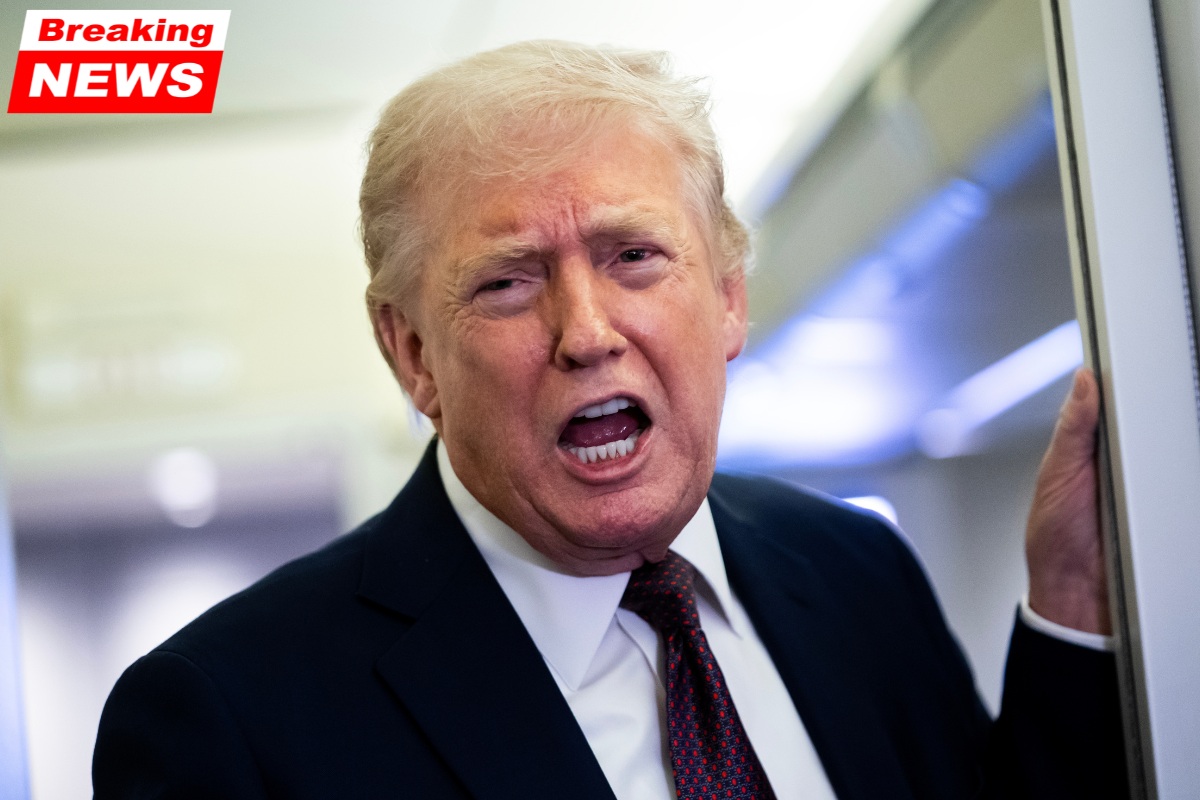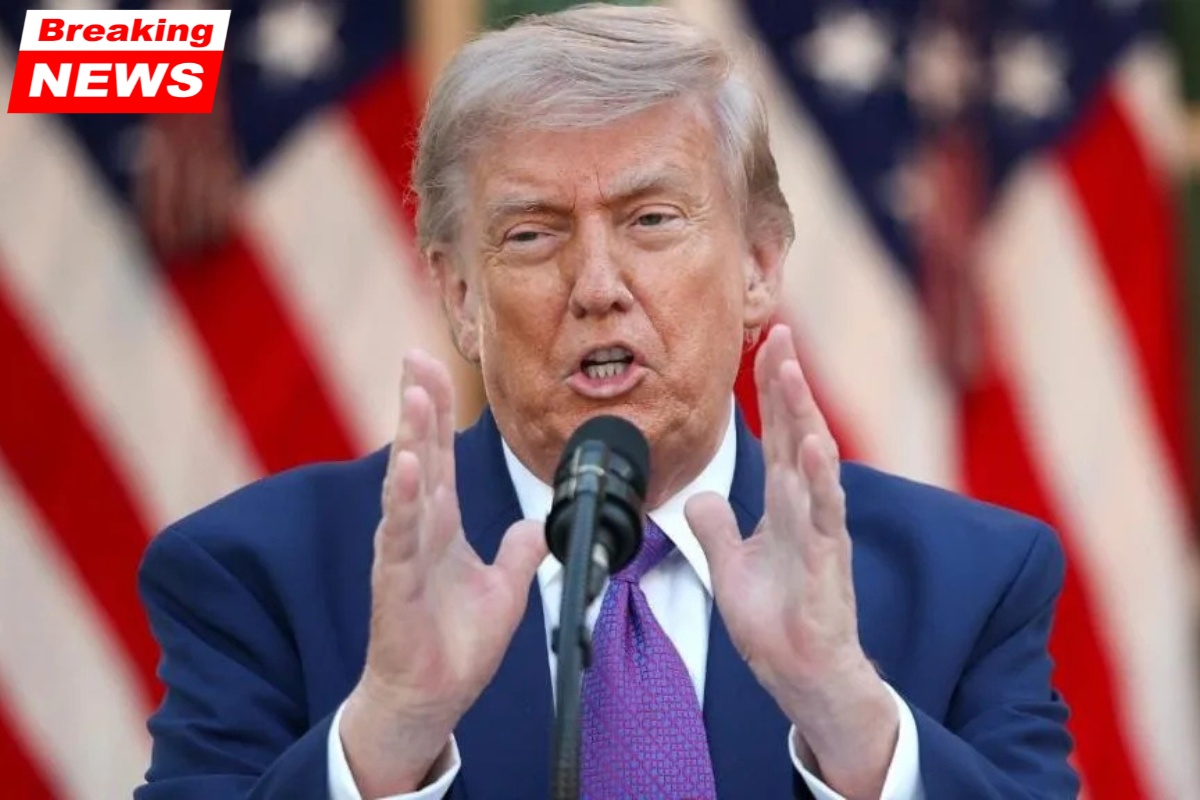
A longtime spiritual adviser to President Donald Trump has sparked fresh controversy after revealing what he described as Trump’s unusual reaction to a racially offensive video shared on Truth Social that depicted former President Barack Obama and former First Lady Michelle Obama as apes.
Pastor Mark Burns claimed Trump privately “apologized to the apes” rather than apologizing to the Obamas or addressing criticism that the imagery was racist.
The comments, made during an interview with The New Yorker, have reignited criticism surrounding the controversial social media post and the broader political fallout that followed.
Overview of the Controversy
| Key Detail | Information |
|---|---|
| Main Figure | Donald Trump |
| Adviser Involved | Pastor Mark Burns |
| Controversial Content | Video depicting Obamas as apes |
| Platform Used | Truth Social |
| Media Outlet | The New Yorker |
| Public Reaction | Bipartisan criticism |
| Trump’s Reported Response | “Apologized to the apes” |
| Video Status | Deleted |
What Sparked the Controversy?
The controversy began after a video shared on Trump’s Truth Social account included imagery portraying Barack and Michelle Obama as apes.
The video reportedly featured:
- The song “The Lion Sleeps Tonight”
- False claims about the 2020 election
- Offensive visual depictions involving the Obamas
The post immediately triggered backlash from political figures, commentators, and social media users across the political spectrum.
Critics condemned the imagery as racist, citing the long history of racist comparisons between Black people and apes.
Following widespread criticism, the video was later deleted from Trump’s account.
When questioned afterward, Trump reportedly said he “didn’t see” the offending portion of the video and declined to issue a direct apology.
What Mark Burns Said About Trump’s Reaction
During his interview, Pastor Mark Burns claimed he personally spoke with Trump about the controversy and urged him to fire the staff member responsible for posting the video.
Burns said:
“I was asking the President to fire the person who did that.”
According to Burns, the offensive clip allegedly appeared because one video automatically transitioned into another.
He argued the staff member “did not post a picture of the Obamas as apes,” though he acknowledged it was still “a bad look.”
Burns also expressed frustration that the incident occurred during Black History Month.
However, the most controversial part of the interview came when Burns described Trump’s response.
According to Burns:
“The President, in his wonderful, colorful personality, responded to that in a way that I think only Donald Trump could respond.”
Burns then claimed Trump said he wanted to “apologize to the apes because we love the apes.”
The pastor further explained that the apology was supposedly directed toward apes “for being compared to the Obamas because the policies of the Obamas were not good for America.”
Burns laughed while repeating the statement and added:
“I too want to apologize to the apes for being compared to the Obamas, not to Black people, but the apes themselves.”
Why the Video Triggered Strong Backlash
The controversy surrounding the video stems from the deeply racist historical trope of comparing Black people to apes or monkeys.
Civil rights groups and historians have long identified such imagery as dehumanizing and tied to racist propaganda historically used to justify discrimination and segregation.
Because Barack and Michelle Obama are among the most recognizable Black political figures in America, critics argued the imagery carried especially harmful implications.
The backlash was notable because criticism reportedly came from both Democrats and Republicans.
Some conservatives also condemned the post as offensive and politically damaging.
Trump’s History of Controversial Social Media Posts
The incident adds to a long list of controversies involving Trump’s social media activity.
Over the years, Trump has repeatedly faced criticism for:
- Sharing misinformation
- Amplifying conspiracy theories
- Reposting controversial content from supporters
- Using inflammatory political rhetoric online
Supporters often argue Trump reposts large amounts of content without personally reviewing every detail, while critics say he bears responsibility for material shared through his official accounts.
The Truth Social platform, which Trump uses heavily, has become a central outlet for his political messaging since leaving mainstream social media platforms following the January 6 Capitol riot.
Who Is Mark Burns?
Mark Burns is a South Carolina pastor and longtime supporter of Trump.
He serves as senior pastor of Harvest Praise & Worship Center in Easley, South Carolina, and has frequently appeared as a public surrogate defending Trump in media interviews and political events.
Burns has previously attracted controversy over political comments and social media posts but remains a prominent ally within parts of Trump’s evangelical support base.
Political Fallout and Public Reaction
The latest comments have intensified debate over:
- Political rhetoric
- Race in American politics
- Social media responsibility
- Trump’s communication style
Critics argue Burns’ remarks trivialized racist imagery and failed to acknowledge why many people found the video offensive.
Supporters of Trump, meanwhile, may view the comments as another example of the president’s provocative and unconventional humor.
The controversy also highlights the challenges political campaigns face in managing social media content, especially during highly polarized election cycles.
The Role of Truth Social in Political Messaging
Truth Social has become one of Trump’s primary communication tools since leaving office.
The platform frequently serves as the source of political controversies, campaign messaging, and public disputes involving the former president.
Because posts can spread rapidly online before being reviewed or removed, critics argue controversial material often gains significant attention even after deletion.
The Obama video incident is another example of how reposted content on social media platforms can quickly become national political controversies.