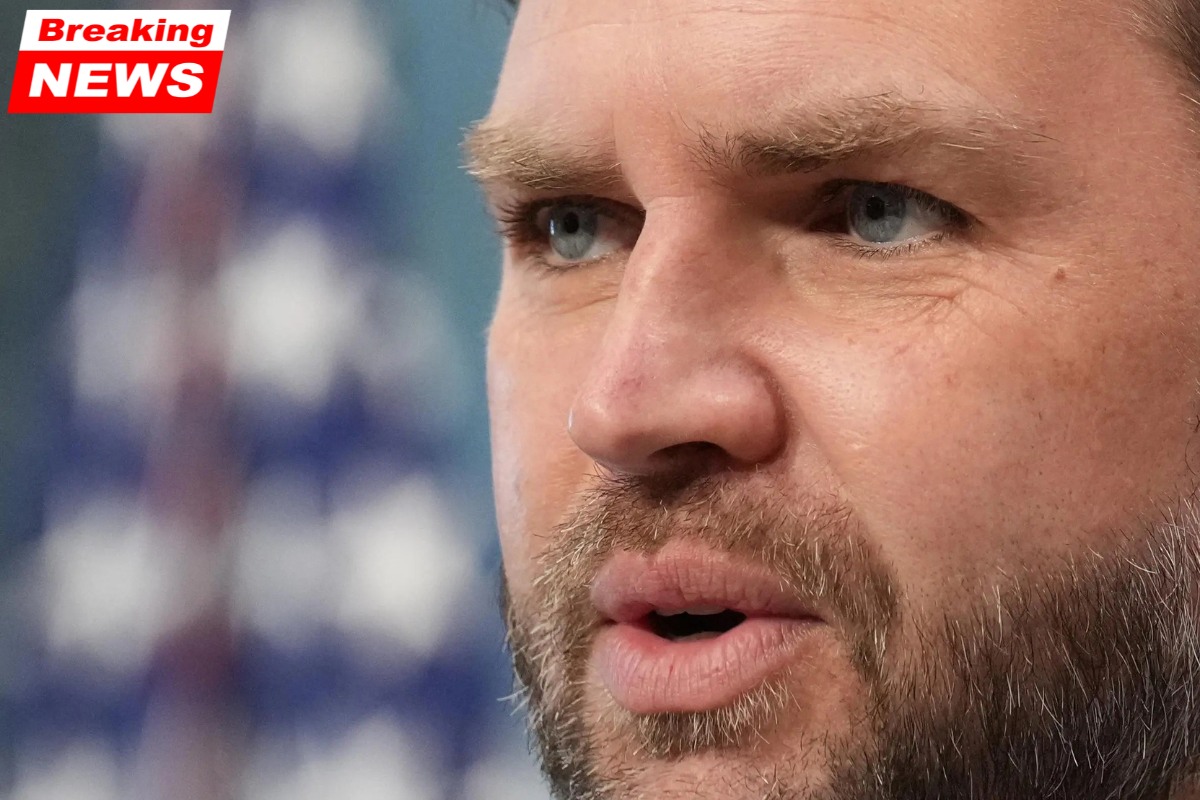
Vice President JD Vance announced a series of aggressive new measures aimed at combating fraud in federal health care programs, including a massive $1.3 billion deferral in Medicaid funding to California.
The announcement, made during a White House event on Wednesday, marks a major escalation in the Trump administration’s broader effort to crack down on suspected misuse of public health care funds.
Officials say the initiative is designed to protect taxpayer money and preserve resources for vulnerable Americans who rely on Medicare and Medicaid services.
The administration is also imposing a nationwide six-month freeze on certain new Medicare provider enrollments and warning states to strengthen Medicaid fraud investigations or risk losing federal funding.
The moves are part of an anti-fraud task force established by President Donald Trump and led publicly by Vance, who has increasingly used the initiative as a major political and policy platform.
Overview of the New Federal Health Care Fraud Measures
| Key Action | Details |
|---|---|
| Medicaid Funding Deferred | $1.3 billion to California |
| Medicare Enrollment Freeze | Six-month moratorium on some providers |
| Targeted Sectors | Hospice and home health care |
| Administration Goal | Reduce fraud in federal health programs |
| Lead Officials | JD Vance and Dr. Mehmet Oz |
| States Warned | All 50 states |
| Main Agencies Involved | CMS and HHS |
| Potential Impact | Increased oversight and investigations |
JD Vance Pushes Stronger Anti-Fraud Agenda
During his remarks at the White House, Vance argued that fraud in federal health programs harms both taxpayers and low-income Americans who depend on medical assistance.
“How long are people going to pay into programs if they know that money doesn’t go to a low-income kid who needs health care, but instead goes into a fraudster getting rich?” Vance said.
The vice president has become one of the administration’s leading voices on government spending oversight and fraud prevention. Political analysts also see the effort as helping raise Vance’s national profile ahead of a possible 2028 presidential campaign.
Vance has promoted the anti-fraud initiative during campaign appearances for Republican candidates and is expected to continue focusing on the issue during political events across the country.
$1.3 Billion Medicaid Funding Deferral to California
One of the most significant actions announced Wednesday was the administration’s decision to defer $1.3 billion in Medicaid payments to California.
Mehmet Oz described the move as the largest Medicaid funding deferral ever issued by the federal government.
Oz claimed federal officials identified questionable spending patterns and unusually rapid growth within California’s home care program. However, he did not provide detailed examples of confirmed fraud during the announcement.
“We’d like the state to at least come to the table and explain to us how these outlier payments have been generated,” Oz said.
California officials quickly pushed back against the allegations.
The office of Gavin Newsom argued that growth in the state’s home care program reflects efforts to keep elderly and vulnerable residents out of more expensive nursing homes.
“We hate fraud,” Newsom’s office wrote on X. “But that’s NOT what this is.”
California’s Medicaid program is projected to cost approximately $222 billion in the upcoming budget year, making it one of the largest public health care programs in the United States.
Six-Month Freeze on New Medicare Enrollments
The Centers for Medicare and Medicaid Services (CMS) also announced a nationwide six-month moratorium on new Medicare enrollments for hospice and home health care providers.
Under the policy:
- Existing providers can continue operating normally
- New providers in targeted categories will temporarily be blocked from enrolling
- Federal investigators will intensify oversight and fraud investigations
Oz said the administration wants to stop fraudulent operators before they gain access to federal health care funds.
“Today we’re shutting the door on fraud,” he said.
CMS also plans to expand the use of advanced data analytics and accelerate the removal of providers suspected of fraudulent activity.
Health Care Industry Reaction
The temporary enrollment freeze has received mixed reactions from health care experts and provider organizations.
KFF noted that similar moratoriums have been used by previous administrations, including under President Bill Clinton.
Tricia Neumann, a senior vice president at KFF, said temporary freezes can give regulators time to investigate fraudulent schemes and prevent bad actors from entering the system.
However, some provider groups warned that broad restrictions could unintentionally harm legitimate medical providers and reduce access to care for patients.
The National Alliance for Care at Home said it supports anti-fraud efforts but prefers targeted investigations rather than broad moratoriums that could slow innovation and reduce competition.
Federal Government Expands Oversight Pressure on States
Alongside the new Medicare restrictions, the Department of Health and Human Services’ internal watchdog sent warning letters to state attorneys general demanding stronger fraud investigations.
Federal officials said states that fail to adequately monitor Medicaid fraud could risk losing federal funding support.
The administration has already launched investigations into possible health care fraud in several states and previously halted approximately $243 million in Medicaid payments to Minnesota over fraud concerns.
Last month, CMS also announced that all 50 states would be required to explain how they verify and revalidate Medicaid providers.
The administration argues these actions are necessary to ensure taxpayer money is protected and directed toward legitimate patient care.
Criticism Over Administration’s Fraud Investigations
Despite the administration’s aggressive anti-fraud messaging, critics have questioned some of its investigative methods.
In April, CMS acknowledged that it used incorrect figures while attempting to justify a fraud probe into New York’s Medicaid program.
That admission raised concerns among critics who argue the administration sometimes makes accusations before fully confirming the facts.
Some health care experts worry that overly broad crackdowns could create unnecessary barriers for legitimate providers and increase uncertainty within already strained health care systems.
Others point out that new Medicaid work requirements and enrollment restrictions could result in millions of Americans losing health coverage or facing delays in access to care.
Why Medicare and Medicaid Fraud Is a Major Political Issue
Fraud in federal health care programs has long been a bipartisan concern because Medicare and Medicaid together represent some of the largest areas of federal spending.
Federal investigators regularly uncover schemes involving:
- Fake medical billing
- Fraudulent home health agencies
- Unnecessary medical equipment claims
- Identity theft and false patient records
The Trump administration argues that stronger oversight will help preserve funding for those truly in need while reducing waste and abuse.
At the same time, critics say balancing fraud prevention with patient access remains one of the biggest challenges facing federal health programs.