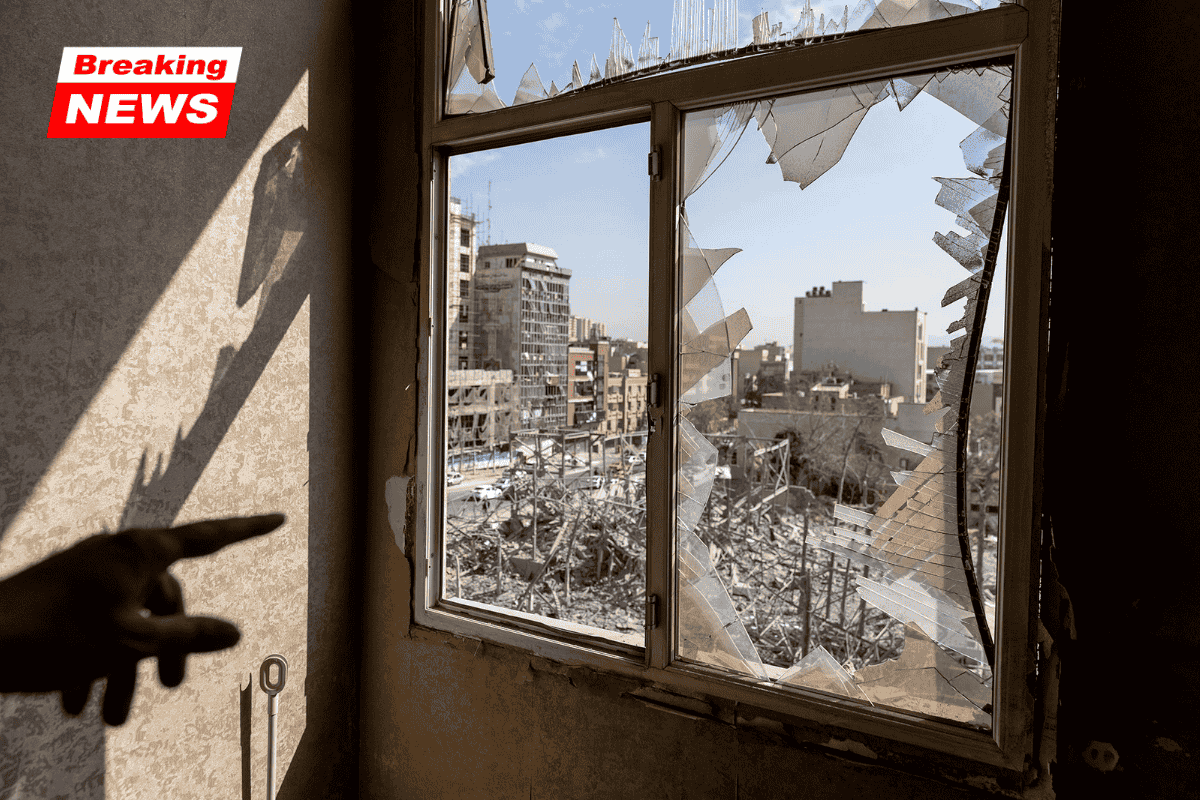
Tensions between the United States, Israel, and Iran remain high as military operations continue and diplomatic channels appear uncertain. While some indirect messages have reportedly reached U.S. intelligence officials through third countries, there is still no clear sign that formal negotiations to end the conflict are underway.
Indirect Messages Sent Through Third Countries
According to reports, messages connected to Iranian officials were passed through a third country to the Central Intelligence Agency. However, people familiar with the matter say these communications have not yet led to serious negotiations aimed at ending the war.
U.S. officials maintain that there have been no direct or indirect diplomatic talks with Iranian leaders since nuclear negotiations collapsed shortly before the conflict began.
At the same time, several countries have reportedly reached out to the United States offering to help mediate the crisis.
U.S. Officials Signal Military Campaign Will Continue
During a briefing, Pete Hegseth said the joint military operation with Israel targeting Iran’s missile program is only beginning.
Officials say the goal of the campaign is to:
- Weaken Iran’s missile capabilities
- Prevent Iran from obtaining a nuclear weapon
- Reduce Iran’s ability to support armed proxy groups in the Middle East
Some members of Congress who were recently briefed on the situation said they did not hear a clear long-term strategy or diplomatic plan for ending the conflict.
Iran Denies Sending Messages
Iranian officials have publicly rejected claims that they are sending messages to the United States.
Majid Takht-Ravanchi said Iran is focused on defending itself and not communicating with Washington.
He stated that Iran has not sent any messages to the United States and has not received any either.
According to Iranian officials, the country is currently in a defensive position as Israeli strikes continue.
Diplomatic Contacts Have Stalled
Before the war began, U.S. envoy Steve Witkoff had held several rounds of negotiations with Iranian officials.
Witkoff had previously communicated directly with Abbas Araghchi during those talks.
Since the conflict started, however, those communications have completely stopped, according to U.S. officials.
Leadership Crisis in Iran
Diplomatic uncertainty has grown following the reported death of Ali Khamenei.
Iran’s clerical leadership is now expected to choose a new supreme leader, creating additional uncertainty about who would negotiate with foreign governments.
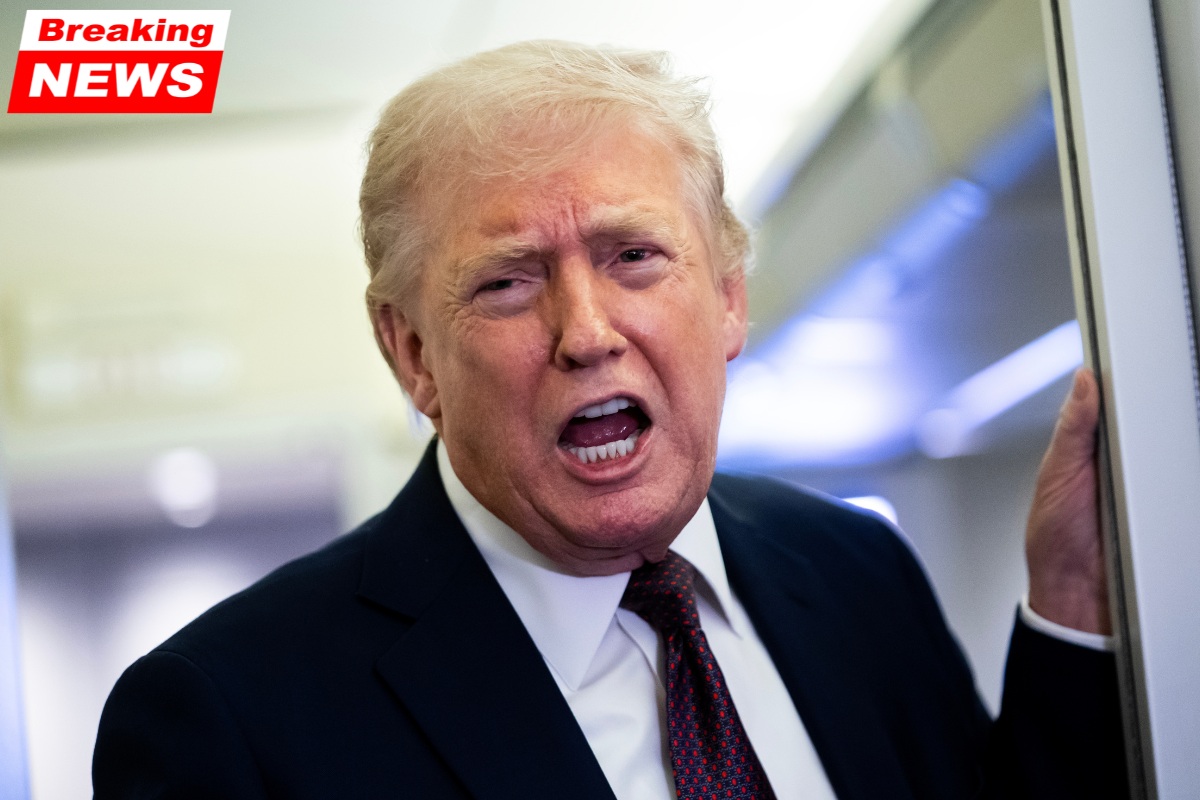
Former U.S. President Donald Trump acknowledged the instability when discussing potential future talks.
He suggested that many of the leaders previously involved in negotiations may no longer be alive, leaving unclear who would represent Iran moving forward.
Israel Warns Future Iranian Leaders
Meanwhile, Israel has taken an aggressive stance regarding Iran’s leadership.
Israel Katz said that any Iranian leader who continues policies threatening Israel or supporting attacks against it would become a military target.
His comments reflect escalating tensions between the two countries as the conflict continues.
Trump Sends Mixed Signals About Negotiations
Trump has offered conflicting messages about the possibility of talks with Iran.
In an interview with The Atlantic, he said he was willing to speak with Iran’s future leaders.
However, in a later statement on social media, he said it might be “too late” for negotiations.
These mixed messages have added to uncertainty about whether diplomacy will play a role in resolving the conflict.
Possible Path Toward Ending the War
Despite the lack of current negotiations, some officials believe a potential agreement could eventually emerge.
Such a deal would likely involve several key conditions demanded by the United States, including:
- Iran dismantling its nuclear program
- Reducing or eliminating its missile capabilities
- Ending support for militant proxy groups in the region
Whether Iran’s future leadership would accept these conditions remains unclear.