An 87-year-old man has been found guilty in a shocking murder case that has left New York residents disturbed. The case, which dates back to 2022, involved the brutal killing and dismemberment of a 68-year-old woman, whose body parts were discovered inside and outside an apartment building in Brooklyn.
After a lengthy investigation and court trial, the accused, Harvey Marcelin, has now been convicted of multiple serious charges, including first-degree murder. The case has once again brought attention to Marcelin’s violent criminal past and raised serious questions about public safety, parole decisions, and justice for victims.
The Brooklyn Murder Case Ends With Guilty Verdict
The Brooklyn District Attorney officially announced that on May 7, Harvey Marcelin was found guilty of:
- First-degree murder
- Tampering with evidence
- Concealment of a human corpse
The 87-year-old now faces the maximum punishment of life imprisonment without the possibility of parole.
Prosecutors described the crime as extremely disturbing, saying the victim’s remains were treated in a cruel and horrifying manner.
How Investigators Connected Harvey Marcelin to the Crime
The investigation started after surveillance cameras captured 68-year-old Susan Leyden entering Marcelin’s apartment building on February 27, 2022.
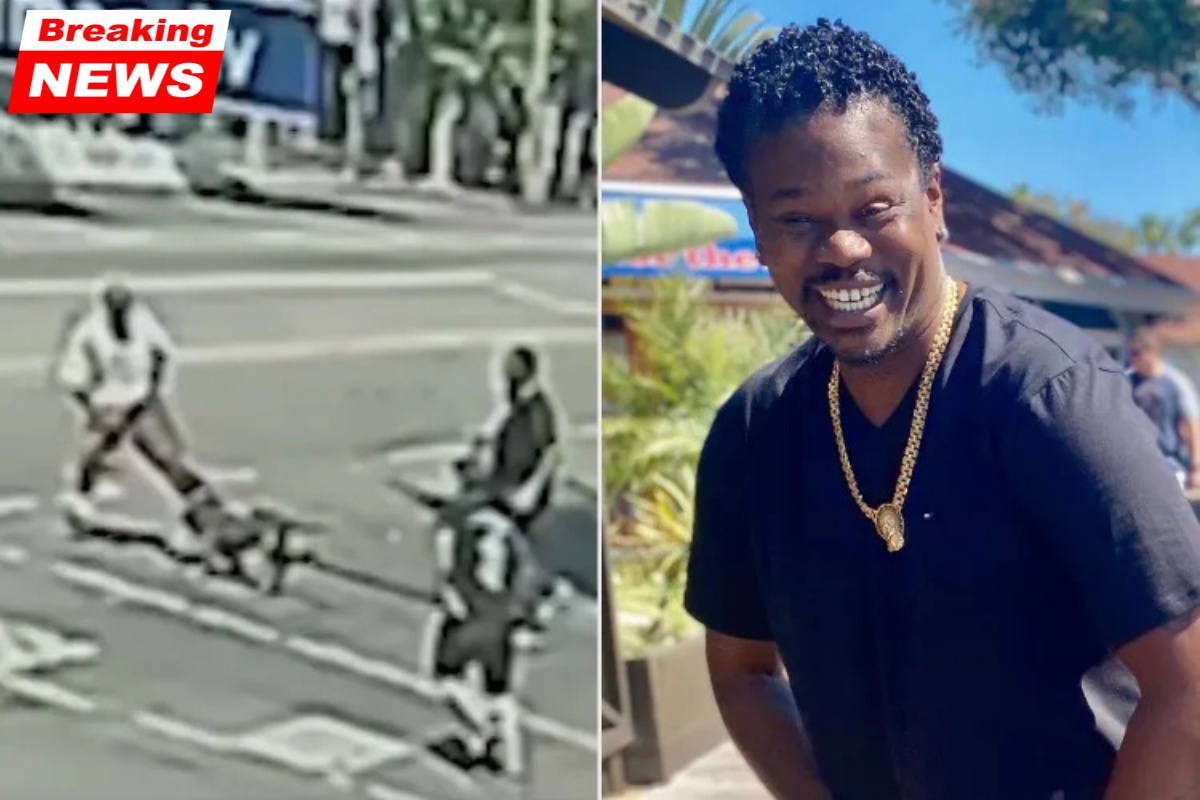
A few days later, investigators reviewed security footage that showed Marcelin pushing a shopping cart carrying a large plastic bag.
On March 3, 2022, police discovered human remains inside that bag.
This discovery led investigators to Marcelin’s apartment, where officers found:
| Evidence Found | Details |
|---|---|
| Human remains | Head, arms, and one leg |
| Cleaning supplies | Possible evidence cleanup materials |
| Saw box | Suspected tool packaging |
| Hammer | Possible crime-related object |
Days later, another leg belonging to Susan Leyden was found inside a nearby trash can.
Video Evidence Strengthened the Case
During the investigation, detectives uncovered more surveillance footage showing Marcelin purchasing an electric saw from a Home Depot around the same time Leyden disappeared.
This evidence played a major role during the trial, helping prosecutors build a strong timeline of events.
Investigators believed the purchase was directly linked to the dismemberment of the victim.
Relationship Between Harvey Marcelin and Susan Leyden
Authorities discovered that Marcelin and Leyden had reportedly lived in the same shelter in 2019.
However, prosecutors said the exact nature of their relationship was never fully confirmed.
During the trial, jurors reportedly heard claims that Marcelin had become obsessed with Leyden.
Reports suggested that he allegedly created multiple Facebook accounts using Leyden’s photos as profile pictures, adding another disturbing element to the case.
Harvey Marcelin’s Violent Criminal History
One of the most shocking parts of this case was Marcelin’s criminal background.
Court records revealed that he had already spent nearly 50 years in prison for killing two other women.
First Murder Case
In 1963, Marcelin fatally shot his girlfriend, Jacqueline Bonds.
He was sentenced to prison but later released on parole in 1984.
Second Murder Case
Just one year after being released, he was arrested again.
His then-girlfriend, Ana-Laura Sierra, was found stabbed to death inside a garbage bag.
Marcelin pleaded guilty to manslaughter in that case and was sent back to prison.
He remained incarcerated until being released on parole in 2019.
Prosecutors React to the Conviction
Brooklyn District Attorney David Gonzalez welcomed the guilty verdict and called the crime cruel and deeply disturbing.
He said the conviction ensures accountability and prevents the defendant from ever being free again.
Officials also expressed hope that Susan Leyden’s family may finally find some peace after years of pain and uncertainty.
Sentencing Date Confirmed
According to prosecutors, Harvey Marcelin is scheduled to return to court for sentencing on June 10.
If the court imposes the maximum punishment, he will spend the rest of his life behind bars without parole.