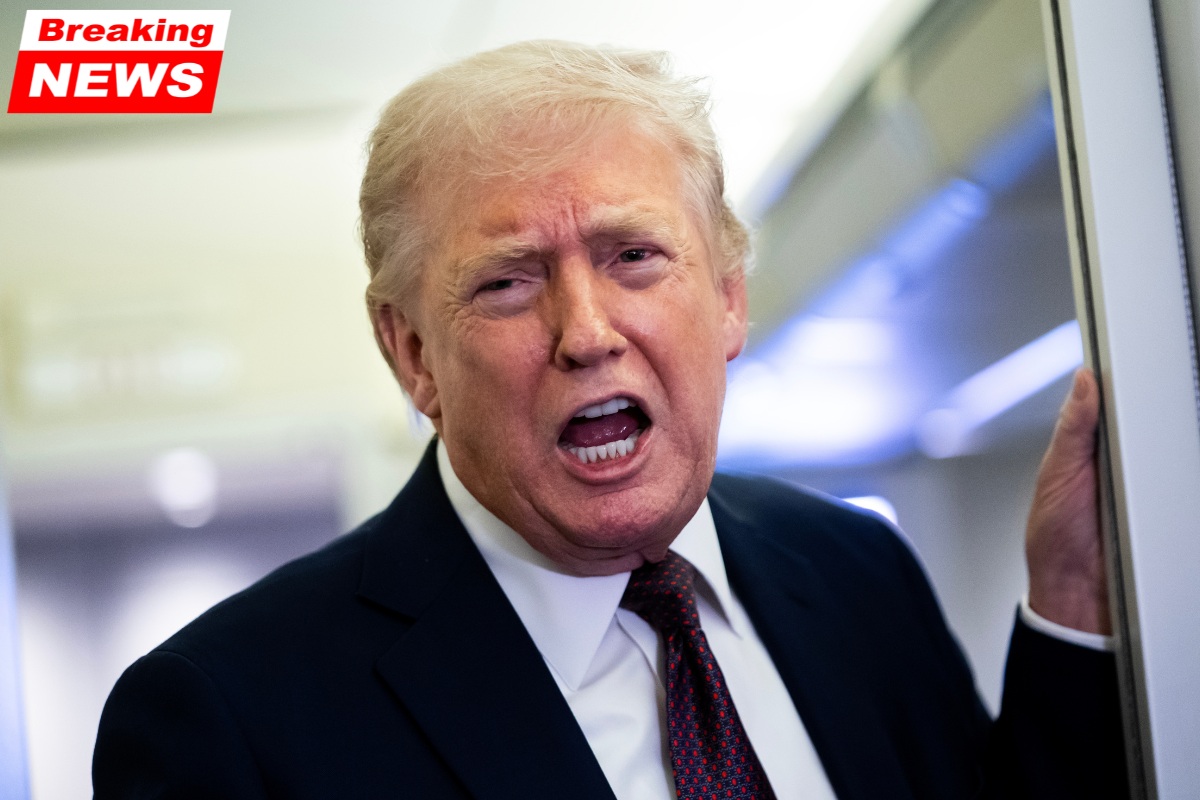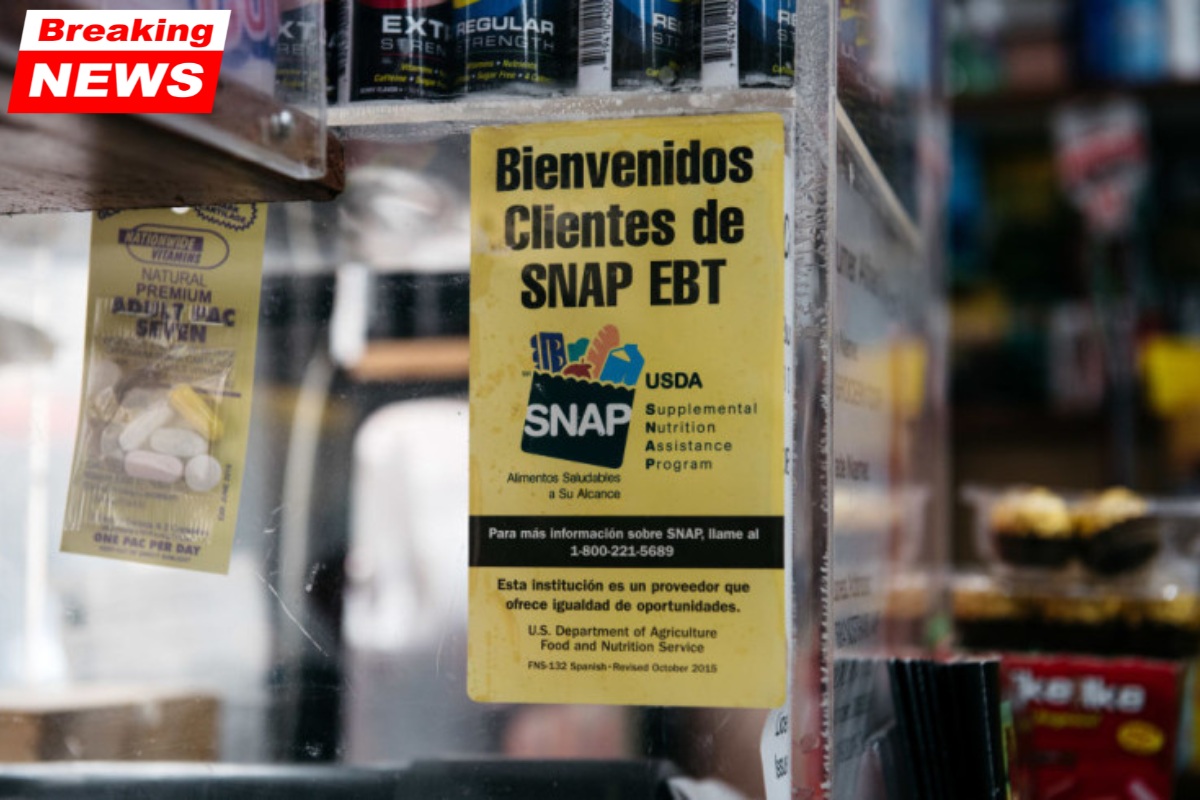
In the summer of 2025, President Donald Trump signed the highly debated “Big, Beautiful Bill” into law, triggering sweeping changes to the Supplemental Nutrition Assistance Program (SNAP).
The legislation dramatically reduced federal funding for food assistance programs and introduced stricter eligibility requirements, leaving millions of Americans with reduced or eliminated benefits.
While the law’s supporters argue that the changes will push more individuals into the workforce, critics argue that it has left many struggling to afford basic necessities like food.
The Impact of SNAP Cuts
The cuts to SNAP have led to significant reductions in benefits for a large number of Americans. According to federal data, approximately 3.5 million people across the nation had lost their SNAP benefits by January 2026. Among the states hit hardest by these changes is Arizona, where thousands of residents have seen their benefits reduced or terminated, in some cases without prior notice.
Tiffany Hudson, a part-time caretaker and mother of two, shared the emotional toll of the new policy, explaining her family’s struggle to make ends meet:
“It’s been really hard. We’ve been going to food banks every week. We’re eating less, we’re eating more frozen stuff.”
The legislation has deeply affected individuals like Hudson, forcing many to rely on food banks and reduce their daily meals as they no longer have enough assistance to meet their basic needs.
How the Law Works
The new law reduces federal funding for food assistance and shifts a portion of the cost burden to the states. Starting in 2027, most states will be required to cover between 5% and 15% of SNAP benefit costs, depending on their “payment error rates.”
These rates are calculated based on how accurately states distribute benefits, with any errors in payment—whether overpayments or underpayments—being penalized.
For example, Arizona’s payment error rate was 8.8% in fiscal year 2024, and it is projected to rise to 10% in fiscal year 2025. If the state cannot lower this rate, it could face penalties amounting to $208 million in SNAP-related costs starting in late 2027.
This financial pressure could force states like Arizona to adopt more aggressive measures to reduce errors—potentially leading to the denial of benefits or delays in payments for eligible recipients.
Growing Strain on Food Banks
As SNAP benefits decline, food banks across the state have reported increasing demand. Many residents who once relied on SNAP benefits now turn to food banks to meet their nutritional needs. According to Natalie Jayroe, CEO of the Community Food Bank of Southern Arizona, the impact on communities has been severe:
“The overwhelming uncertainty and anxiety that the folks we serve are facing — it’s hard to describe.”
State data shows that as of March 2026, the number of Arizonans receiving food stamps had dropped by about 50% compared to the previous year, including approximately 200,000 children who lost benefits. This drastic reduction has left families scrambling to feed themselves amid rising food prices.
The White House’s Justification
The White House has defended the law, arguing that the changes were necessary to reduce federal spending, restore work requirements, and crack down on waste, fraud, and abuse in the system. They emphasized that the law prioritizes American citizens and introduces reasonable cost-sharing measures with states.
“The law is designed to reduce federal spending and restore basic work requirements, prioritize American citizens, and implement reasonable cost-sharing measures with states to crack down on waste, fraud, and abuse,” said a White House spokesperson.
However, many argue that the law’s intent is not entirely clear, and the results have been devastating for vulnerable Americans. Critics have pointed out that, at a time when grocery prices are rising and many people are struggling to make ends meet, cutting food assistance only worsens the situation for low-income families.
The Criticism: A Cruel Policy?
Critics, including Lauren Bauer, a fellow in economic studies at the Brookings Institution, argue that these changes disproportionately affect low-income Americans. Bauer called the policy changes “cruel” and criticized the law for using hunger as leverage to force people into the workforce:
“I think it’s a really cruel time to be taking grocery money away from low-income people with prices where they are and for reasons that are beyond their control.”
Bauer and other critics argue that the economic conditions for many Americans are already difficult, with rising food prices exacerbating the strain. The law, they argue, places additional burdens on people who are already struggling and forces them into deeper hardship.
The Bigger Picture: U.S.-Mexico and Political Tensions
While the immediate impact of these changes is felt most directly by American families, the policy also ties into the broader U.S.-Mexico relations. As political tension grows over migration issues, U.S. policies that disproportionately affect low-income communities may fuel further dissatisfaction both within the country and with Mexico, where poverty and economic inequality remain serious issues.
What’s Next?
The law’s effects are still unfolding, and the debate surrounding SNAP cuts is likely to intensify as more states experience the financial consequences. As Arizona and other states struggle with high payment error rates, it’s possible that more drastic measures will be taken to reduce the number of people receiving benefits.
For now, the controversy surrounding the Big, Beautiful Bill continues to grow, with critics demanding a reassessment of the policy and its impact on the most vulnerable Americans.