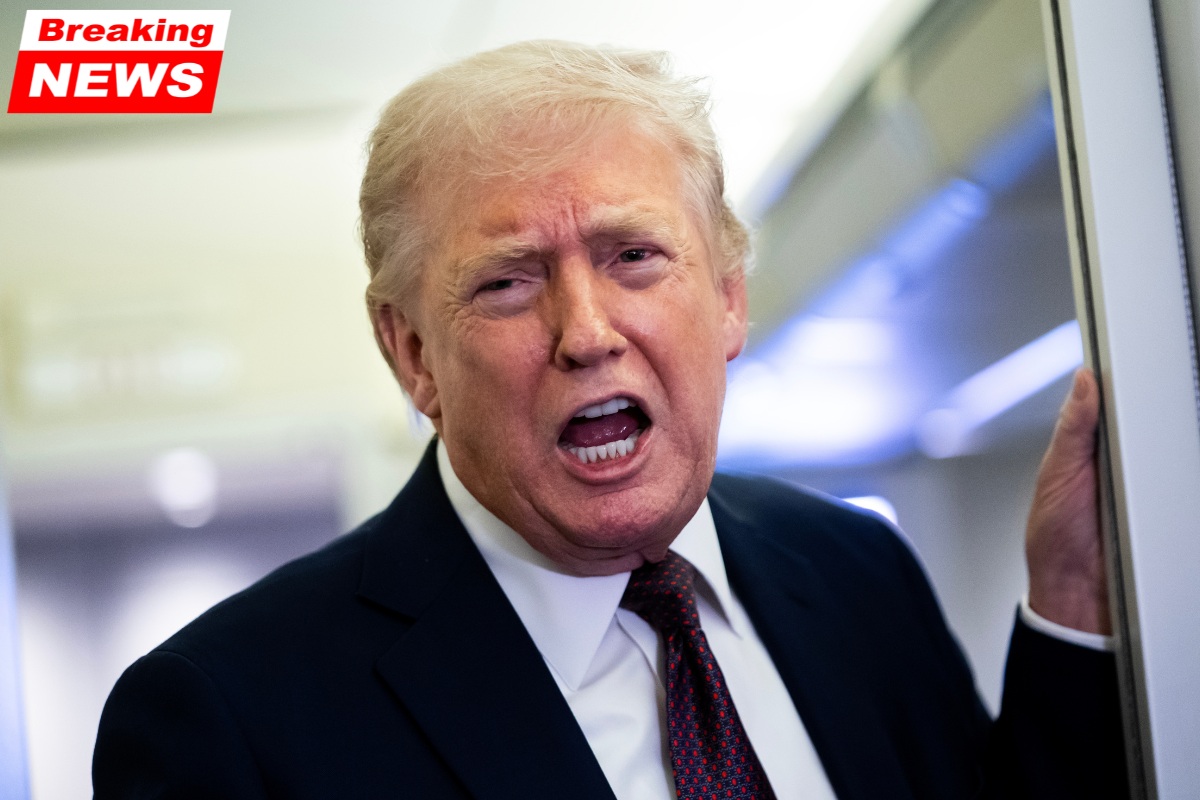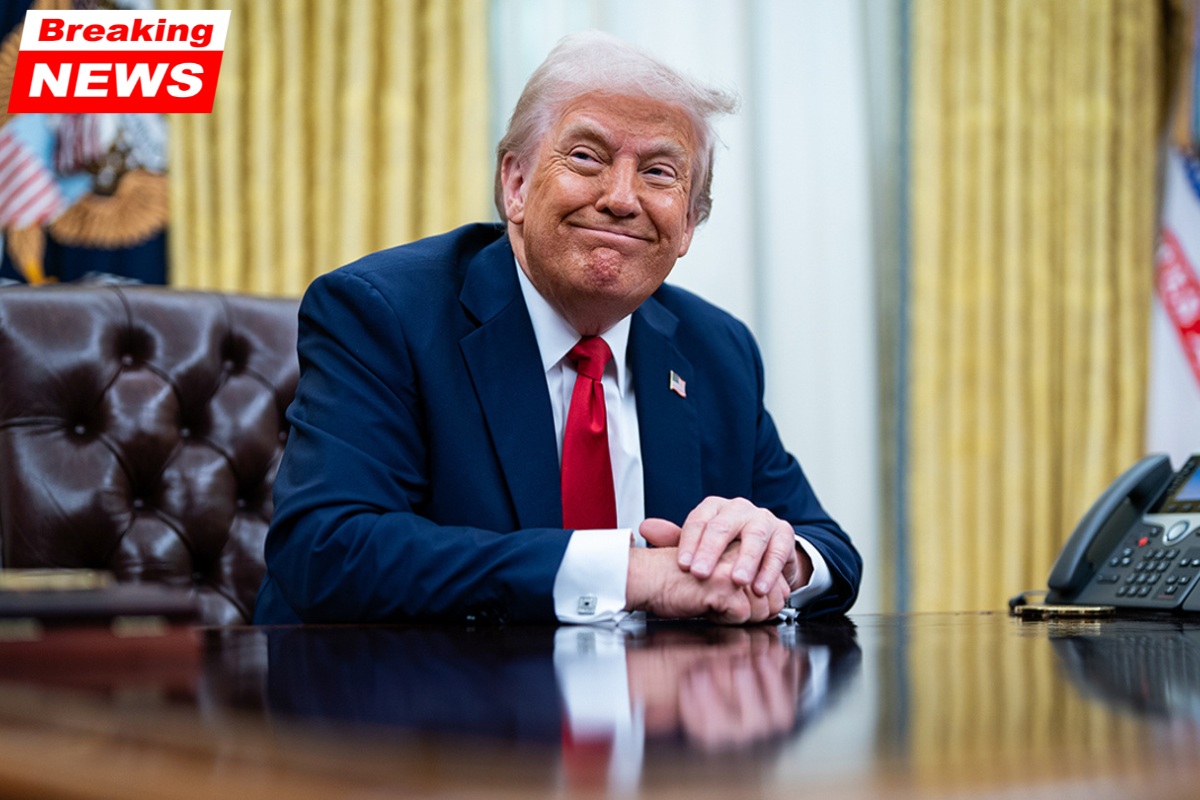
President Donald Trump has once again sparked global controversy after suggesting that Venezuela could potentially become the 51st state of the United States. The comments come as the Trump administration continues expanding its involvement in Venezuela following the removal of former President Nicolás Maduro from power earlier this year.
Trump reportedly said he is strongly interested in Venezuela because of its massive oil reserves, which he estimated to be worth around $40 trillion. His remarks have already triggered sharp reactions from Venezuelan officials, legal experts, and international observers.
Trump Shows Interest in Venezuela’s Oil Wealth
In recent comments, Trump openly praised Venezuela’s oil potential and said the country “loves Trump.”
The administration has increasingly focused on rebuilding Venezuela’s oil industry after years of economic collapse and political instability under Nicolás Maduro’s government.
According to reports, U.S. officials have spent months meeting with major energy companies to encourage fresh investment in Venezuela’s oil sector.
Trump has repeatedly argued that controlling and stabilising Venezuela’s energy production would benefit both countries economically.
Why Venezuela Matters Economically
Venezuela holds some of the world’s largest known oil reserves.
Here is why the country is strategically important:
| Key Resource | Importance |
|---|---|
| Oil reserves | Among largest globally |
| Natural gas | Major untapped potential |
| Geographic location | Important in Latin America |
| Energy exports | Critical for global markets |
After years of sanctions and declining production, Venezuela’s oil exports reportedly crossed 1 million barrels per day in April, the highest level since 2018.
How the U.S. Became Involved in Venezuela
The situation escalated earlier this year after U.S. military operations reportedly led to the capture of Nicolás Maduro, who had been facing narco-terrorism charges in the United States.
Following Maduro’s removal, Trump announced that the United States would help oversee Venezuela during a political transition period while working alongside acting Venezuelan leadership led by Delcy Rodríguez.
The Trump administration has since increased its economic and diplomatic involvement in the country, especially regarding energy production and infrastructure.
Trump Floats Idea of Venezuela Becoming a U.S. State
Trump’s comments about Venezuela becoming the “51st state” first gained major attention after a March social media post following Venezuela’s success in the World Baseball Classic.
He wrote:
“Good things are happening to Venezuela lately! STATEHOOD, #51, ANYONE?”
More recently, reports say Trump told media outlets he is “seriously considering” the idea.
However, the White House has not provided any detailed plan explaining how such a move would happen legally or politically.
Would Venezuela Actually Become a U.S. State?
Legal experts say making Venezuela part of the United States would be extremely difficult.
Several major requirements would apply:
| Requirement | Needed? |
|---|---|
| Approval from U.S. Congress | Yes |
| Consent from Venezuela | Yes |
| Constitutional process | Yes |
| International recognition | Likely needed |
Experts note that no serious legal pathway currently exists for annexing Venezuela without major political agreement from both countries.
Venezuelan Officials Reject Trump’s Comments
Acting Venezuelan President Delcy Rodríguez strongly rejected the idea of Venezuela joining the United States.
She said Venezuelans are proud of their independence and would never agree to give up national sovereignty.
Rodríguez also stressed that cooperation between the two countries should happen between “sovereign nations,” not through annexation or statehood.
Trump’s History of ‘51st State’ Comments
This is not the first time Trump has discussed expanding U.S. territory.
Over recent months, Trump has also made controversial comments involving:
- Canada
- Greenland
- Panama
- Cuba
Some remarks appeared joking in tone, while others were viewed more seriously by political observers.
Critics have accused Trump of promoting expansionist ideas that resemble older forms of imperialism, while supporters argue he is trying to strengthen America’s global economic and strategic power.
Oil Industry Interest Growing
American oil companies are reportedly showing renewed interest in Venezuela after years of restrictions and nationalisation policies.
Major energy firms such as Exxon and Conoco had previously been forced out of Venezuela during Hugo Chávez’s presidency when the oil industry was nationalised.
Now, U.S. officials are reportedly encouraging energy companies to return and invest again in Venezuelan production facilities and infrastructure.
International Concerns Continue
Trump’s comments have raised concerns internationally about sovereignty, international law, and U.S. influence in Latin America.
Critics warn that aggressive foreign policy language could increase tensions across the region.
Meanwhile, supporters argue stronger U.S.-Venezuela cooperation could help rebuild Venezuela’s economy after years of political and financial crisis.
The situation remains highly controversial, and no formal proposal for Venezuelan statehood currently exists.