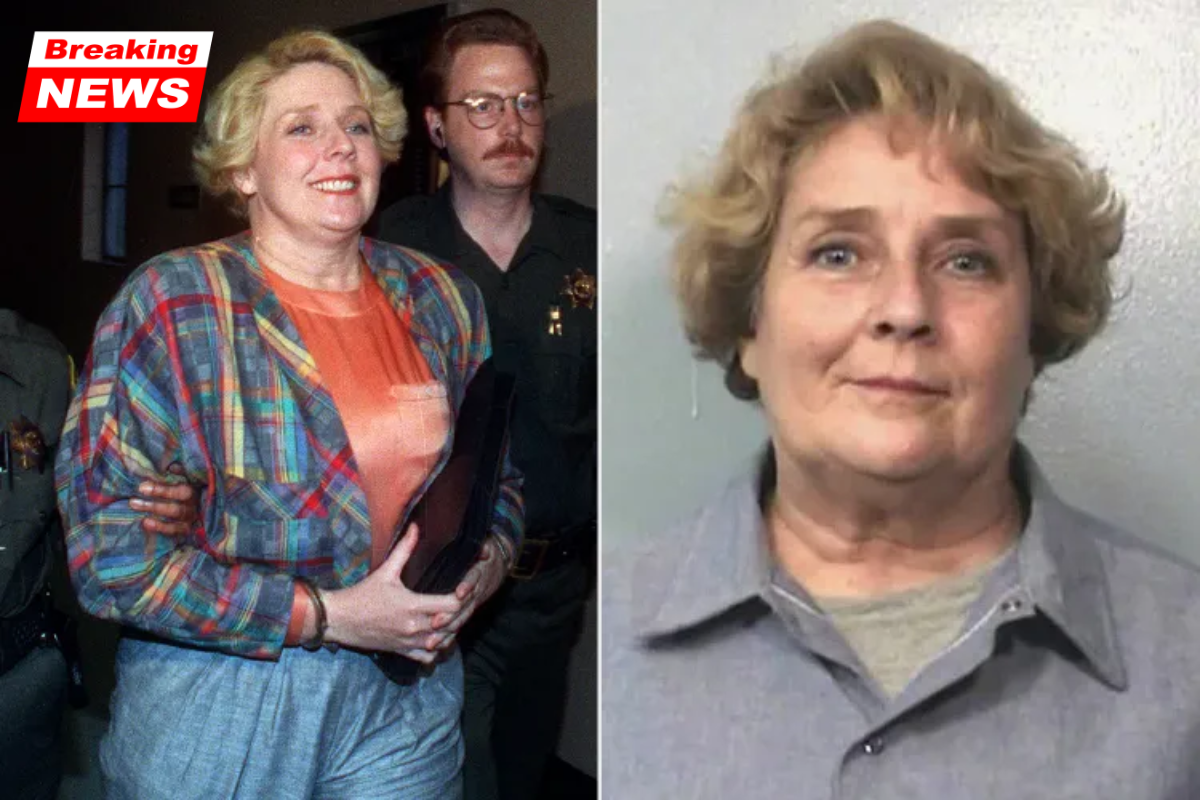
The death of Betty Broderick on May 8 has brought renewed attention to one of America’s most infamous true crime cases. Broderick spent more than three decades behind bars for the 1989 murders of her ex-husband and his new wife, a case that became a national symbol of divorce, betrayal, family conflict, and revenge. Her story continues to spark debate about justice, mental health, and domestic relationships.
Who Was Betty Broderick?
Betty Broderick was born in 1947 in New York and was raised in a traditional Catholic family. She later attended University of Mount Saint Vincent, where she studied English and early childhood education.
During her college years, she met Dan Broderick, an ambitious medical student who later became a successful lawyer.
The two eventually married, started a family, and built what many viewed as an ideal upper-middle-class life. Together, they raised four children and became well known in the social circles of San Diego.
Marriage Began to Fall Apart
Behind closed doors, the relationship reportedly became increasingly troubled.
According to Betty’s later accounts, financial control, emotional conflict, and growing arguments put major strain on the marriage.
Things became worse in the early 1980s when Dan began a relationship with Linda Kolkena, a young legal assistant working in his office.
Betty reportedly suspected the affair for years before Dan officially left the marriage and filed for divorce in 1985.
Bitter Divorce Turned Public
The divorce quickly turned into a lengthy and highly public legal battle.
Betty later claimed that Dan’s influence in the legal community gave him a major advantage during court proceedings.
Over the next several years, she lost multiple legal battles involving finances, property, and child custody.
Court records and witness testimony showed repeated confrontations, property damage incidents, angry phone messages, and escalating emotional conflict between the former couple.
The 1989 Double Murder
On November 5, 1989, Betty drove to Dan’s home, where he was living with his new wife Linda Kolkena.
Using a house key, she entered the home during the early morning hours while the couple slept.
Authorities say Betty opened fire inside the bedroom, killing both Dan and Linda.
After the shootings, she contacted family members and later turned herself in to police.
Two Trials and Conviction
Betty admitted to the shootings but argued she had been emotionally pushed beyond her limits after years of psychological and legal battles.
Her first trial ended in a mistrial after jurors failed to reach a unanimous verdict.
A second trial in 1991 resulted in two convictions for second-degree murder.
She was sentenced to two consecutive prison terms of 15 years to life, plus additional time for firearm use.
Parole Denied Multiple Times
Betty served her sentence at the California Institute for Women.
She became eligible for parole multiple times, including major hearings in 2010 and 2017.
Each request was denied after parole officials concluded that she had not shown enough remorse or emotional progress.
Her next parole hearing had been scheduled for 2032.
Betty Broderick Dies in Prison
On May 8, Betty Broderick died at the age of 78 while still serving her life sentence in California.
According to the California Department of Corrections and Rehabilitation, she had been transferred to an outside medical facility several weeks earlier for advanced medical treatment.
Officials said her preliminary cause of death appeared to be natural causes, though final findings are still pending.
Family members later said she had suffered serious infections and a major fall in the weeks before her death.
A Case That Still Divides Public Opinion
Even decades later, the Betty Broderick case continues to divide public opinion. Some see her as a woman pushed to an emotional breaking point by a bitter divorce and years of personal conflict. Others view the killings as a calculated act of revenge that permanently destroyed multiple lives.
With her death, one of America’s most talked-about true crime stories has reached its final chapter, but the questions surrounding justice, trauma, and accountability continue to spark discussion even today.