The United States military has publicly revealed the location of one of its powerful nuclear-armed submarines in a highly unusual move, just as tensions with Iran continue to rise. The rare announcement came shortly after President Donald Trump rejected Iran’s latest peace proposal and described the current ceasefire situation as extremely fragile.
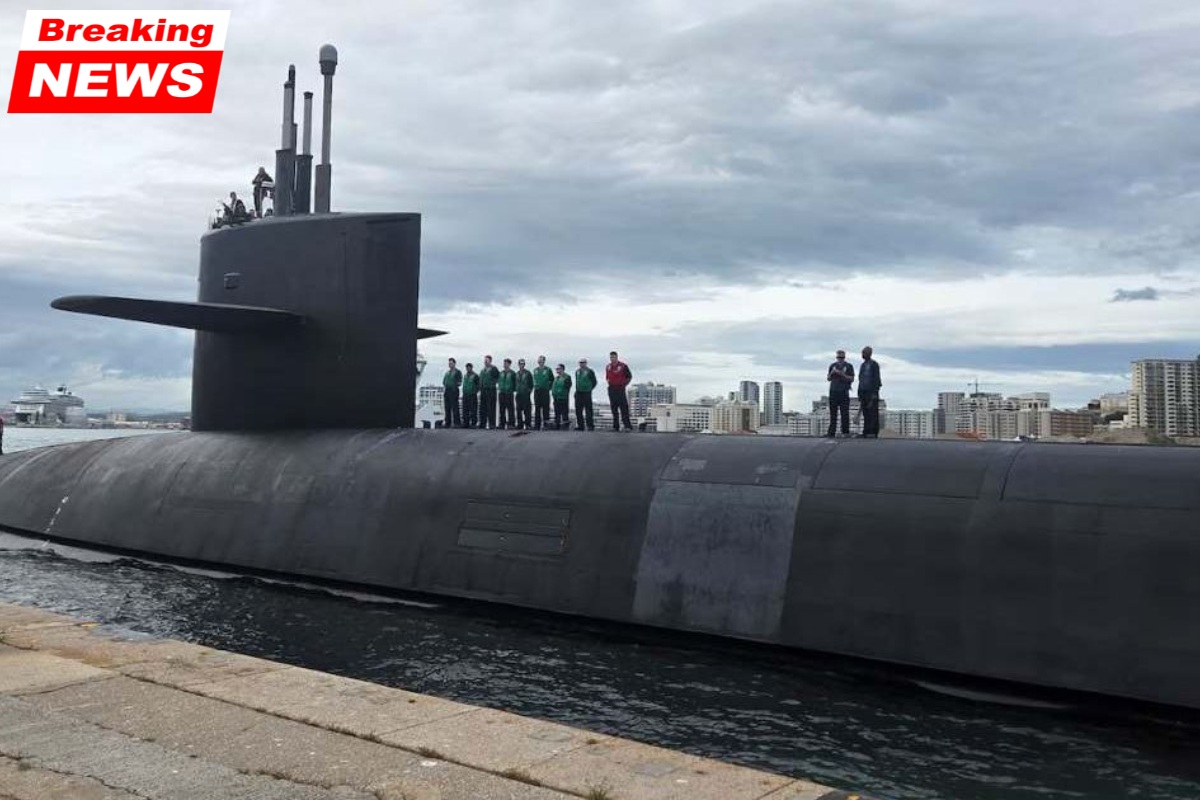
The U.S. Navy confirmed that an Ohio-class ballistic missile submarine arrived in Gibraltar, a British territory located near Spain’s southern coast. Military experts say the public disclosure is likely meant to send a strong strategic message to Iran and other global rivals.
Pentagon Publicly Reveals Submarine Location
The U.S. Sixth Fleet announced on Monday that the Ohio-class submarine had reached Gibraltar for a port visit. However, officials did not reveal the submarine’s exact name.
Normally, the locations of America’s nuclear submarines remain highly classified because stealth is one of their biggest military advantages.
In its official statement, the U.S. Navy said the visit demonstrates America’s military flexibility and commitment to NATO allies.
The Sixth Fleet also highlighted the importance of Ohio-class submarines in the U.S. nuclear defence system.
Why This Announcement Is Unusual
Nuclear submarines are considered among the most secretive and powerful weapons in the American military. Their ability to remain hidden underwater for long periods makes them difficult to detect or target.
Because of this, governments usually avoid publicly discussing their locations.
Military analysts believe the Pentagon’s decision to announce the submarine’s arrival may have several purposes:
| Possible Purpose | Explanation |
|---|---|
| Strategic warning | Sending a signal to Iran and rivals |
| NATO reassurance | Showing support for allies |
| Military deterrence | Demonstrating U.S. nuclear readiness |
| Diplomatic pressure | Increasing pressure during negotiations |
The announcement came at a sensitive moment in U.S.-Iran relations.
Trump Rejects Iran’s Peace Proposal
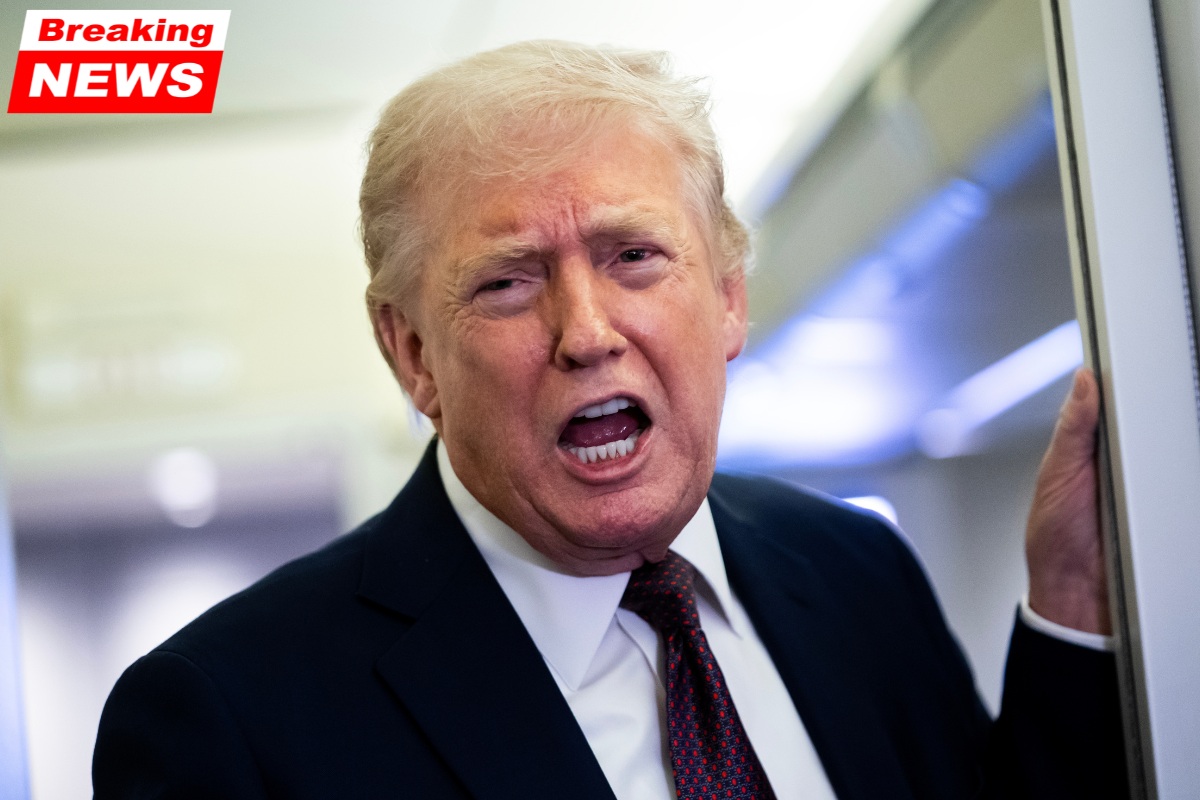
President Donald Trump said on Monday that the current ceasefire with Iran is “on life support” and called it “unbelievably weak.”
His comments followed reports that Iran had submitted a counteroffer during peace discussions.
According to reports, Iran’s demands included:
- War reparations
- Recognition of Iran’s control over the Strait of Hormuz
- Removal of U.S. economic sanctions
Trump strongly rejected the proposal and described it as “totally unacceptable.”
The situation has increased fears of growing instability in the Middle East.
Why the Strait of Hormuz Matters
One of Iran’s key demands reportedly involved sovereignty over the Strait of Hormuz, one of the world’s most important shipping routes.
The narrow waterway is critical because:
| Importance of Strait of Hormuz | Details |
|---|---|
| Global oil transport | Major route for oil exports |
| Economic impact | Affects worldwide fuel prices |
| Strategic location | Connects Persian Gulf to open sea |
| Military importance | High naval activity area |
Any conflict or disruption in the region could affect global energy markets and international trade.
About the Ohio-Class Submarines
The Ohio-class submarines are among the most advanced military assets operated by the U.S. Navy.
The fleet includes:
| Type | Number |
|---|---|
| Ballistic missile submarines | 14 |
| Guided missile submarines | 4 |
These submarines are designed for stealth missions and long-term deterrence patrols.
Key Features of Ohio-Class Submarines
- Can carry Trident II ballistic missiles
- Extremely difficult to detect underwater
- Capable of long-duration deployments
- Part of the U.S. nuclear triad
- Guided missile versions can carry over 150 Tomahawk missiles
The “nuclear triad” refers to America’s three methods of delivering nuclear weapons:
- Land-based missiles
- Strategic bombers
- Submarine-launched missiles
Submarines are often considered the most survivable part of this system because they are harder to locate during conflicts.
Growing Concerns Over U.S.-Iran Tensions
The timing of the Pentagon’s announcement has attracted global attention because it happened immediately after Trump publicly criticised Iran’s peace terms.
Although U.S. officials did not directly connect the submarine visit to Iran, many analysts believe the message was intentional.
The move may be designed to remind Iran of America’s military strength while diplomatic tensions continue.
At the same time, experts warn that increasing military displays from both sides could make negotiations even more difficult.
NATO and Regional Security
The U.S. also used the announcement to highlight its commitment to NATO allies and international security operations.
Gibraltar is strategically important because it sits near the entrance to the Mediterranean Sea, making it a valuable military location for naval operations.
The port visit allows the submarine to receive supplies, maintenance, and crew support while maintaining a visible American military presence in the region.