Hopes for a peaceful resolution with Iran regarding the ongoing geopolitical tensions seemed to diminish over the weekend, raising fears of a prolonged global energy crisis.
This deadlock has led to increased uncertainty about the future of the Strait of Hormuz, a critical shipping lane for global oil.
The situation continues to fuel market volatility, with US stock futures falling and oil prices rising sharply, reflecting concerns over the potential for military intervention in the region.
Market Reactions and Energy Prices Surge
On Sunday, US stock markets took a significant hit, with Dow Jones futures falling by 200 points (or 0.40%), and S&P 500 futures and Nasdaq futures also showing losses. This dip in stock prices mirrored the growing apprehension in global markets about the ongoing crisis in the Middle East and its potential impact on global oil supplies.
In response to the heightened tensions, US oil futures surged by 2.7%, reaching $97.97 per barrel, while Brent crude also saw an increase of 2.7%, climbing to $104.01 per barrel. The rise in oil prices reflects the broader market fears about potential disruptions to the supply chain if the Strait of Hormuz remains closed.
Meanwhile, gold prices fell by 0.76% to $4,695 per ounce, and the US dollar strengthened against both the euro (up 0.2%) and the yen (up 0.14%). The 10-year Treasury yield remained steady at 4.36%, indicating some stability in the bond market despite the volatility in equities.
Iran’s Response and the Strait of Hormuz
Over the weekend, Iran responded to a US ceasefire offer by emphasizing that any talks must address not only the ongoing conflict in the region but also the situation in Lebanon.
Iran proposed a gradual reopening of the Strait of Hormuz, contingent on the US lifting its naval blockade in the area. However, nuclear issues would be discussed within a 30-day window, and Iran rejected the US demand to dismantle its nuclear facilities or suspend uranium enrichment for the next 20 years.
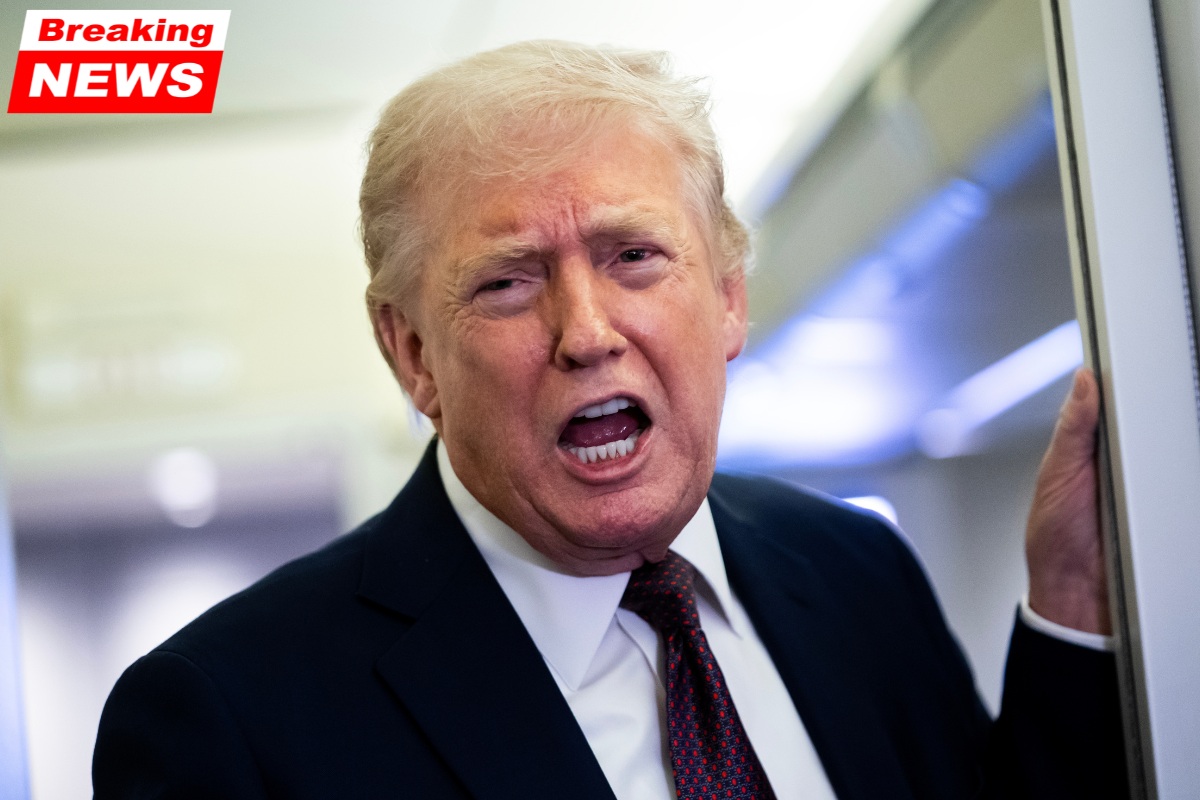
Additionally, Iran requested the release of frozen funds abroad, a point that former President Donald Trump criticized as “totally unacceptable”, further complicating the diplomatic landscape. Trump accused Iran of “playing games” with the US for nearly five decades, vowing that Iran would not continue to evade serious consequences.
Analysts noted that Iran’s stance on the situation has remained relatively unchanged, suggesting that the leadership in Tehran believes it holds the upper hand in negotiations and is unlikely to compromise on key issues. This steadfastness has contributed to the stalemate, with limited prospects for a negotiated settlement in the near term.
The Growing Risk of a Global Oil Crisis
The lack of progress in diplomatic talks has led to growing fears that unless the Strait of Hormuz is reopened soon, global oil stockpiles could begin to run dangerously low, leading to a sharp spike in oil prices.
The Strait, which is a vital conduit for the global oil trade, sees a significant portion of the world’s oil shipments passing through it. A prolonged closure would disrupt the flow of oil, which could have catastrophic consequences for global energy prices and supply chains.
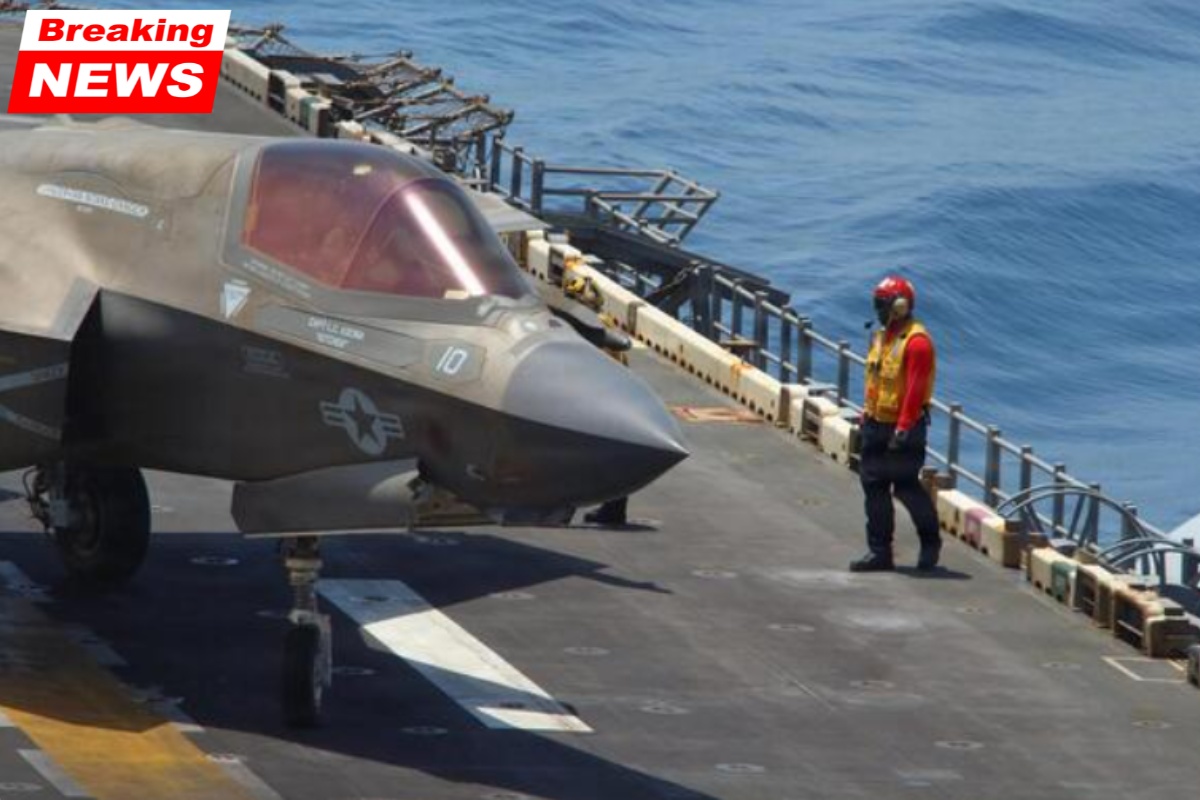
Last week, President Trump attempted to break the deadlock by launching Project Freedom, a military operation designed to help commercial ships navigate the Persian Gulf safely.
A few ships managed to make it through the Strait with the help of US destroyers, which fended off Iranian attacks. However, Project Freedom was quickly paused after Iran requested that the US stop the military operation to allow for further negotiations.
Energy Secretary’s Comments on Military and Diplomatic Efforts
On Sunday, Energy Secretary Chris Wright appeared on CBS News’ Face the Nation, discussing the situation.
He confirmed that the US had temporarily halted Project Freedom at Iran’s request, noting that military operations to reopen the Strait of Hormuz would be a long-term and challenging endeavor.
Wright explained that the US was considering a military option to reopen the Strait but had paused operations in the hope that a diplomatic deal could be reached.
“If it’s clear in the next few days that there’s not a good path to a negotiated settlement, we’ll go back to the military method to open the strait,” Wright warned, suggesting that the US is still prepared to escalate the situation if necessary.
Global Energy Crisis and the Road Ahead
The US-Iran tensions surrounding the Strait of Hormuz are likely to remain a key factor in the global energy crisis. The ongoing uncertainty about the Strait’s status—whether it will remain closed or be reopened through diplomacy or military intervention—will continue to have ripple effects across global energy markets, affecting everything from oil prices to international trade.
As the situation develops, both diplomatic talks and military options remain on the table. If Iran maintains its current stance, the risk of a global oil shortage and a spike in prices will increase, further straining economies worldwide.