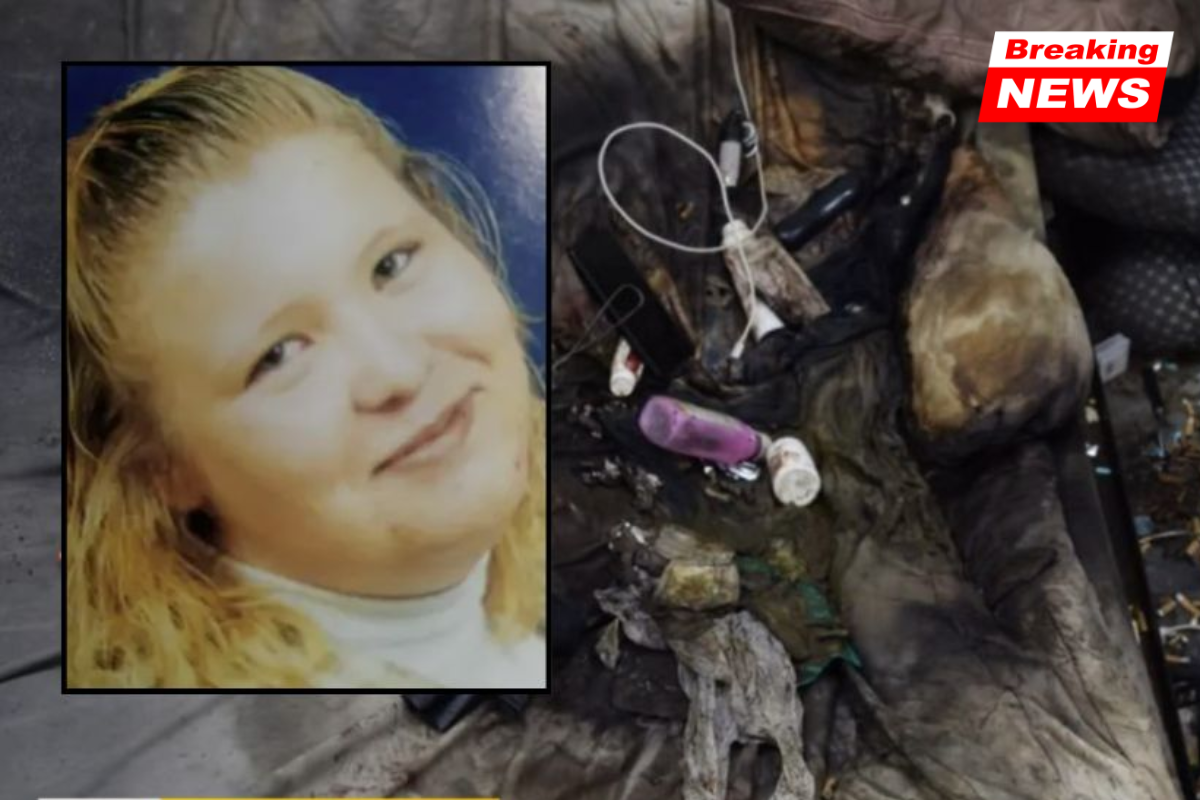
A Pennsylvania woman living with multiple sclerosis has become the centre of a heartbreaking and disturbing case after authorities officially ruled her death a homicide caused by neglect.
Elizabeth Fike, 44, was found dead on October 16, 2025, inside her home in Uniontown, Pennsylvania. She had been living with her boyfriend, who also acted as her primary caregiver. What initially appeared to be a medical death has now turned into a criminal investigation after the Fayette County Coroner confirmed severe neglect played a direct role in her death.
Coroner Rules Elizabeth Fike’s Death a Homicide
Fayette County Coroner Dr. Bob Baker announced that Elizabeth Fike’s manner of death has officially been ruled a homicide.
According to the coroner’s findings, Fike died due to complications caused by prolonged neglect. Medical examinations revealed that she suffered from a stage IV decubitus ulcer, commonly known as an advanced bedsore. She was also diagnosed with urosepsis, a dangerous condition that occurs when a urinary tract infection spreads into the bloodstream.
These conditions, experts say, often develop when a person remains immobile for long periods without proper medical care, hygiene, or regular movement.
Shocking Conditions Found Inside the Home
When authorities entered Fike’s home in Uniontown, they discovered disturbing living conditions.
Dr. Baker revealed that investigators found Fike surrounded by filth. According to the investigation, she had reportedly not left her bed for more than three months before her death.
Officials also found:
- A hospital bed that appeared unused
- An unused wheelchair
- An unused bedside commode
- A bedpan containing weeks-old dirty bath water
- Severe unsanitary conditions throughout the home
The discovery raised immediate concerns about the quality of care Fike had been receiving.
Boyfriend and Caregiver Speaks Out
Tim Childs, Fike’s boyfriend and caregiver, spoke publicly after her death.
Childs, who has cerebral palsy, said he did everything he could to care for her under difficult circumstances.
He explained that caring for Fike became much harder after she reportedly ran out of her medications.
According to Childs:
“I did the best of my ability to do what I needed to do for her.”
He also claimed that replacement medications had been ordered but had not yet arrived.
Because the investigation remains open, Childs has declined to comment further on the condition of the home.
No Criminal Charges Filed Yet
Despite the coroner’s homicide ruling, no criminal charges have been filed against Childs or anyone else connected to the case.
Authorities continue to investigate whether criminal neglect or other charges may be appropriate based on the evidence collected from the home and medical reports.
The homicide ruling does not automatically mean someone has been charged, but it confirms that officials believe Elizabeth Fike’s death was caused by the actions—or inaction—of another person.
Community Reacts to the Tragic Case
The case has shocked residents in Pennsylvania and sparked wider conversations about caregiver responsibility, support for people living with chronic illnesses, and the warning signs of neglect.
Advocates for people with disabilities say the tragedy highlights the importance of regular wellness checks, access to medication, and proper caregiver support systems.
Elizabeth Fike’s death now stands as a painful reminder of how vulnerable medically dependent individuals can become when adequate care breaks down.