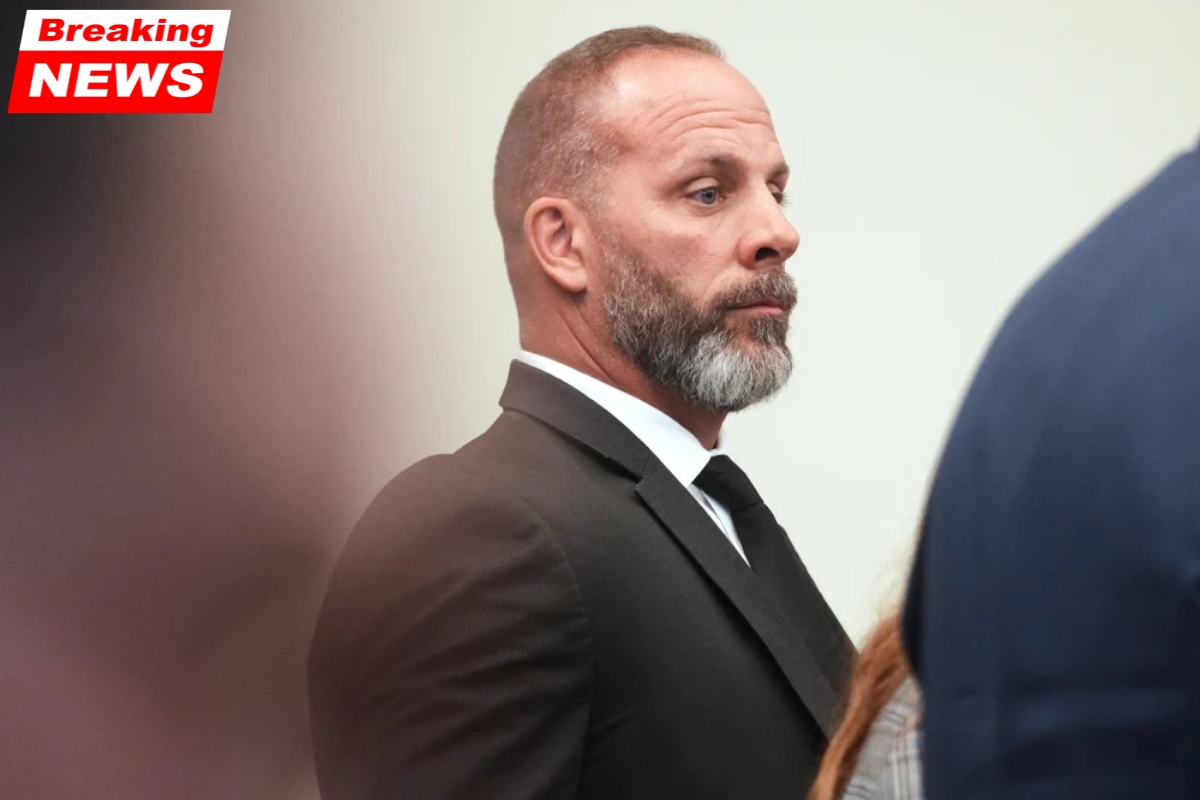
A former sheriff’s deputy, Jason Meade, was found guilty of reckless homicide Thursday for the killing of Casey Goodson Jr., a Black man shot in December 2020 while bringing sandwiches to his grandmother’s house in Columbus, Ohio. The verdict follows a highly contentious trial that stirred significant public outrage and calls for justice in Ohio.
The Incident and Trial Background
The case revolves around the shooting of Casey Goodson Jr., a 23-year-old man, who was fatally shot five times in the back and once in the side by Jason Meade, a white sheriff’s deputy.
Goodson was reportedly holding Subway sandwiches in one hand and his keys in the other when he was killed. He was also wearing earbuds and listening to music at the time of the incident.
Meade claimed that the shooting was justified, stating that he saw Goodson holding a gun and turning toward him in the doorway of the house. However, no one else, including witnesses or law enforcement officers, testified that they saw Goodson with a gun, and there was no video footage of the incident.
Prosecutors presented evidence suggesting that Goodson’s gun, which he was licensed to carry, was found under his body with its safety mechanism still engaged, indicating that he was not holding it at the time of the shooting.
Christopher Corne, a witness driving nearby, testified that he saw Goodson dancing and singing in his truck before the incident and did not see a gun in Goodson’s hand.
Meade’s Plea and Legal Consequences
Meade was initially charged with murder, but after the jury could not reach a verdict on that count, the judge declared a mistrial for the murder charge. Meade then pleaded guilty to reckless homicide, acknowledging that his actions caused the death of Goodson, but without the intent required for a murder conviction.
The reckless homicide charge carries a maximum sentence of five years in prison, though Meade is expected to receive between four to 14 months in prison, taking into account the time he has already spent in custody.
Meade’s defense attorney, John Fossum, argued that the shooting was justified, based on Meade’s version of events, where he claimed Goodson had previously waved a gun at him while they passed each other in their vehicles. Meade retired from the Franklin County Sheriff’s Department in 2021 and is also a Baptist pastor.
Public Reaction and Legal Precedents
Goodson’s death prompted widespread outrage, particularly in the context of ongoing national discussions about police violence and accountability in the wake of the killing of George Floyd by a Minneapolis police officer.
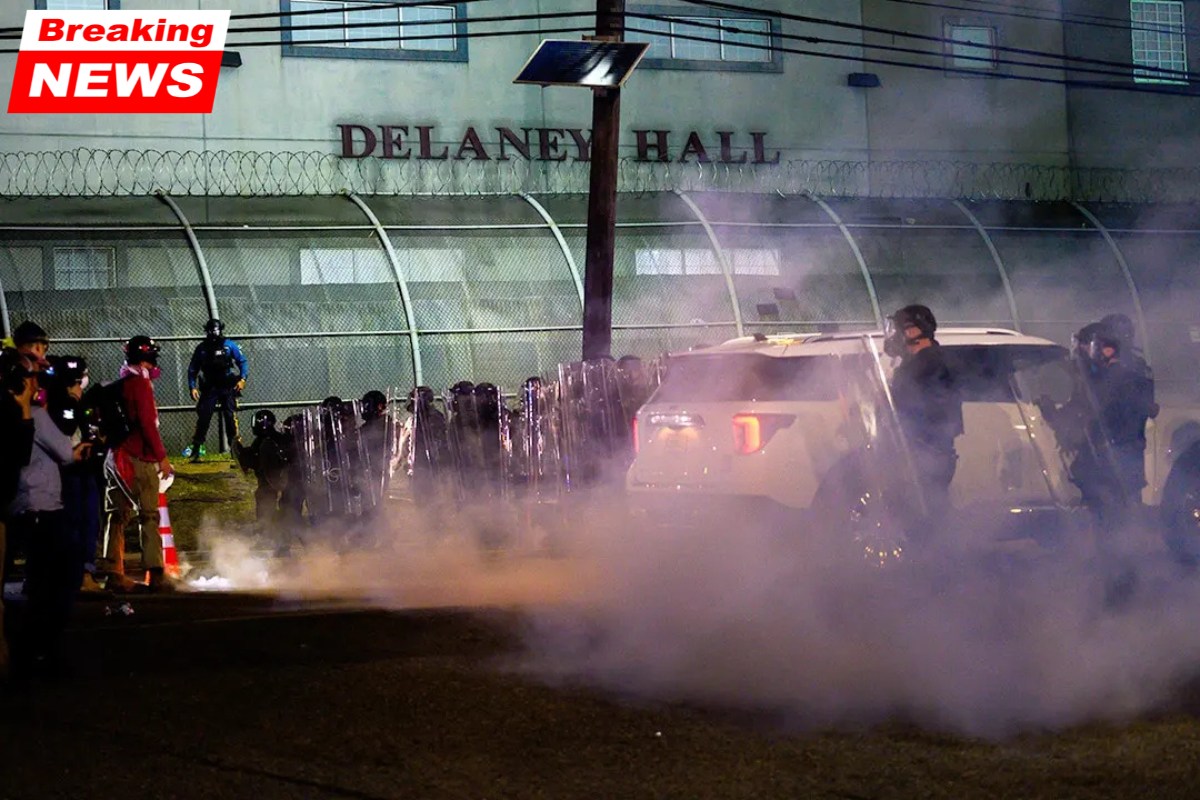
In Ohio, protests erupted, with messages such as “Justice for Casey Goodson Jr.” displayed on banners over highway overpasses. These banners were ordered to be removed by the judge during the trial.
The conviction of Meade makes him the second white law enforcement officer to be convicted for the killing of a Black man in Ohio since George Floyd’s death in 2020.
The only other conviction in such cases was the indictment of Columbus police officer Adam Coy, who was charged in the 2020 killing of Andre Hill.
Ohio’s History of Police Shootings
Goodson’s death is part of a troubling pattern of fatal shootings of Black individuals by law enforcement officers in Ohio.
Among the most well-known cases are the killings of Tamir Rice (12 years old, Cleveland, 2014), Tyre King (13 years old, Columbus, 2016), Ma’Khia Bryant (16 years old, Columbus, 2021), and others, including John Crawford III, Samuel DuBose, Miles Jackson, and Jayland Walker.
Next Steps and Legal Consequences
With Meade now facing sentencing for reckless homicide, Ohio residents and activists will likely continue to call for greater accountability in police-involved killings, particularly those involving Black victims.
The case also raises significant questions about law enforcement policies, police training, and the need for greater transparency in the handling of incidents involving police use of force.