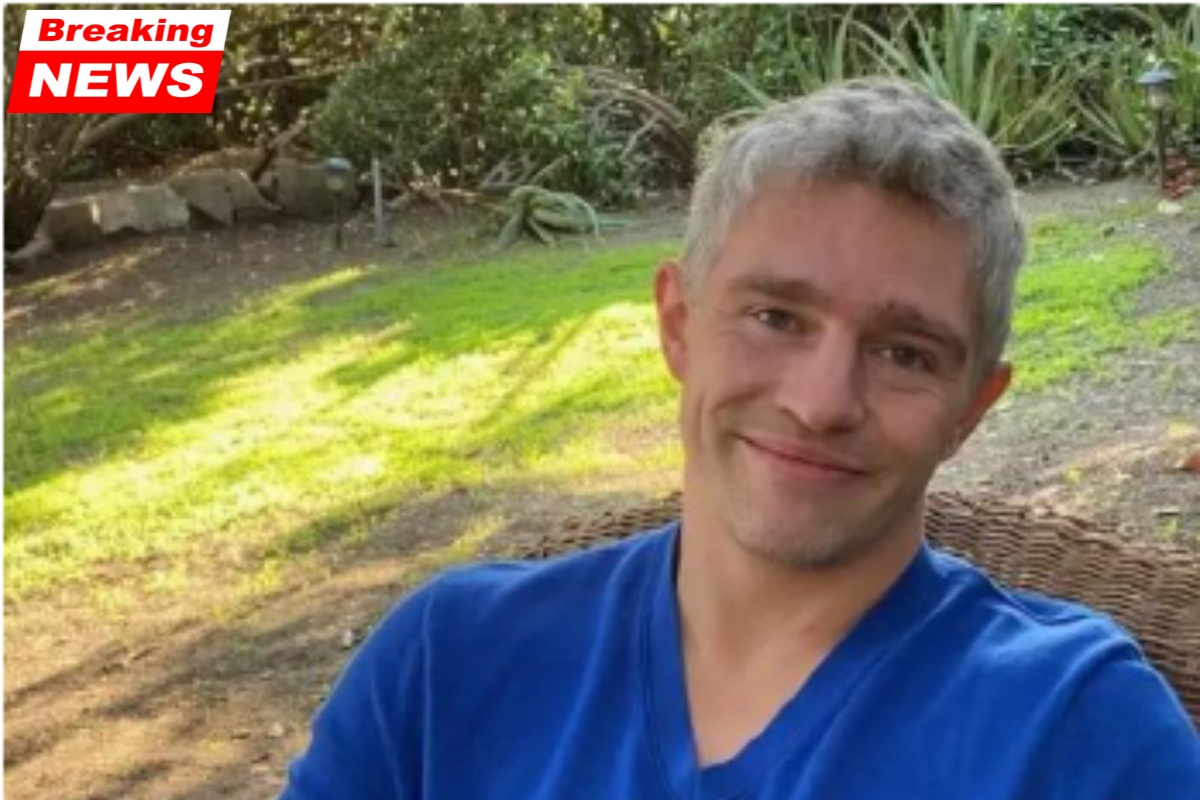
A Kentucky man who lost more than two decades of his life behind bars for a murder he did not commit has finally received justice in court.
After spending 22 years in prison for a wrongful conviction, Jeffrey Clark has been awarded more than $24 million by a jury after successfully proving that investigators allegedly framed him using false evidence, misleading testimony, and a shocking “satanic ritual” theory. The emotional verdict marks the end of a legal fight that lasted more than three decades.
Kentucky Man Awarded $24 Million After Wrongful Murder Conviction
A Kentucky jury has awarded Jeffrey Clark more than $24 million after he spent 22 years in prison for a murder he did not commit.
Clark was wrongfully convicted in connection with the 1992 killing of 19-year-old Rhonda Sue Warford in Meade County, Kentucky.
He was convicted alongside his friend, Keith Hardin.
Both men always maintained their innocence.
After decades behind bars, both men were eventually cleared of the crime.
Jeffrey Clark and Keith Hardin Convicted in 1995
Clark and Hardin were found guilty in 1995 and sentenced to life in prison.
Prosecutors claimed the two men were responsible for Warford’s murder.
At the time, investigators presented a disturbing theory that the killing was linked to a “satanic ritual.”
This theory became a major part of the prosecution’s case.
Investigators Focused on “Satanic Sacrifice” Theory
According to court records and legal filings, police began focusing on Clark and Hardin after the victim’s mother reportedly told investigators she believed her daughter and some friends were involved in Satanism.
This led investigators to build a murder theory involving ritual sacrifice.
Clark’s legal team later argued that investigators used this theory without credible evidence.
According to the civil lawsuit, lead detective Mark Handy allegedly developed a false narrative that the murder was part of a satanic killing.
Lawsuit Accused Investigators of Fabricating Evidence
After his release, Clark filed a civil lawsuit accusing investigators and officials of conspiring to frame him.
According to the complaint, investigators allegedly:
- Created false evidence
- Used unreliable witness testimony
- Manipulated forensic information
- Presented misleading statements to jurors
- Built a case around an unproven ritual killing theory
Clark also alleged investigators used false statements to strengthen the prosecution’s case.
Former Detective Faced Criminal Convictions
One of the central figures in Clark’s lawsuit was former lead detective Mark Handy.
According to court records, Handy was later convicted in a separate case involving:
- Perjury
- Evidence tampering
Clark’s legal team argued this history supported claims of misconduct in his case.
Witness Testimony Also Came Under Fire
According to innocence advocates, prosecutors called questionable witnesses during the original trial.
One witness allegedly claimed Clark had an inverted cross tattoo.
However, according to later investigations, Clark did not have such a tattoo.
This testimony became one of several pieces of evidence later challenged.
Officials Accused of Manipulating Timeline
Clark’s lawsuit also accused other officials of altering important evidence.
According to the complaint:
- Former Sheriff Joseph Greer
- Former Coroner Bill Adams
were accused of manipulating the victim’s date of death.
Clark’s attorneys argued this was done to place the murder on a date when Clark and Hardin did not have alibis.
DNA Evidence Finally Cleared Both Men
It took more than two decades before scientific testing changed everything.
DNA testing later proved that a hair found on Warford’s body did not belong to Keith Hardin.
Investigators had originally claimed the hair matched him.
This discovery became a major breakthrough.
As a result:
| Year | Major Development |
|---|---|
| 1992 | Rhonda Sue Warford murdered |
| 1995 | Clark and Hardin convicted |
| 2016 | Both men released from prison |
| 2018 | Officially exonerated |
| 2026 | Clark wins civil lawsuit |
The convictions against both men were eventually vacated.
Jury Awards More Than $24 Million
After hearing the evidence in Clark’s civil case, a jury ruled in his favor.
The court awarded:
- $24.35 million in compensatory damages
- $75,000 in punitive damages
This brings the total award to more than $24.4 million.
Jeffrey Clark Speaks After Historic Verdict
Following the verdict, Clark shared an emotional statement.
He said he finally feels like he can wake up from a 34-year nightmare.
He also thanked the jurors for listening to his story and understanding what he endured.
Justice After Decades of Pain
Jeffrey Clark’s case is another powerful reminder of how wrongful convictions can destroy lives and how flawed investigations can leave innocent people behind bars for decades. While no financial award can return the years he lost, the jury’s decision represents accountability, recognition, and long-overdue justice.
As Clark begins rebuilding his life, his case will likely continue to be cited as a major example of the importance of DNA evidence, honest investigations, and criminal justice reform.