
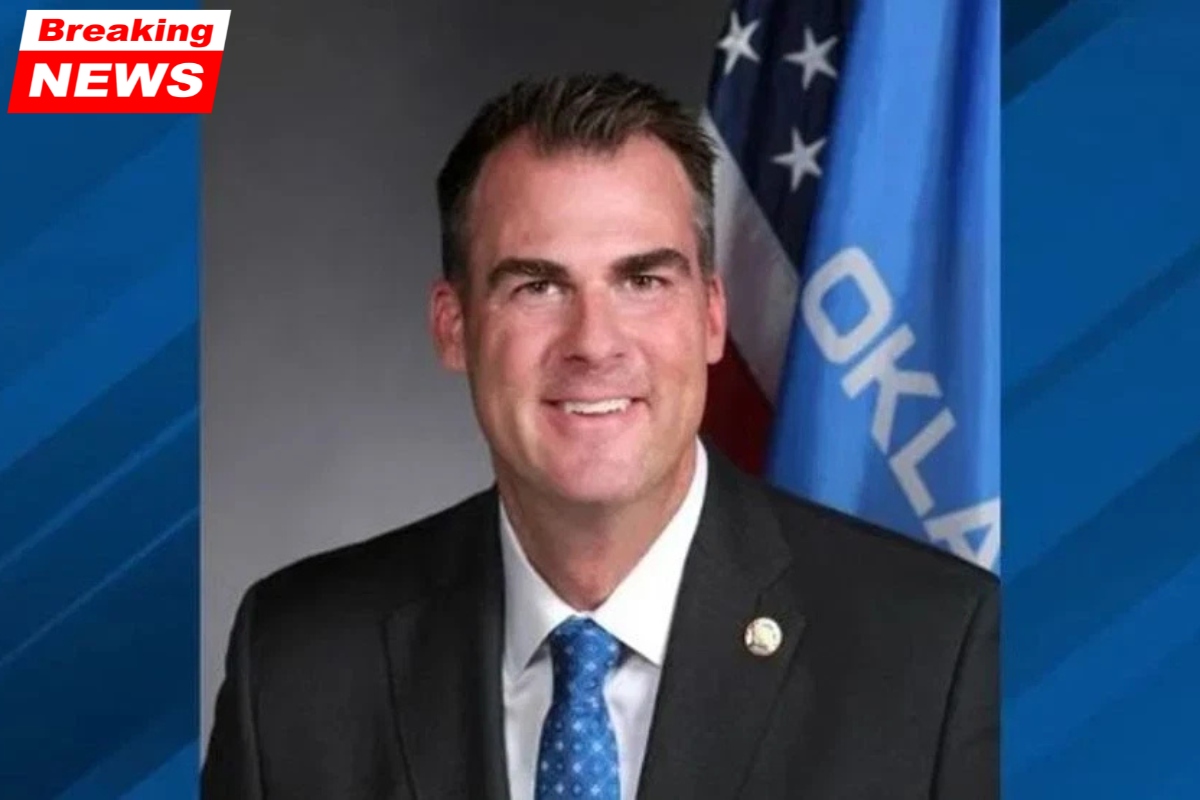
Oklahoma City, Okla. — Tensions have escalated between Governor Kevin Stitt and Oklahoma Attorney General Gentner Drummond following Stitt’s veto of House Bill 3278, a bill aimed at strengthening the state’s Open Meetings Act. Drummond sharply criticized the governor’s decision, calling it a betrayal of Oklahoma taxpayers.
Purpose of House Bill 3278
House Bill 3278 was introduced to enhance the Open Meetings Act, a law designed to ensure transparency in government meetings and decision-making processes.
The bill aimed to empower the Oklahoma Attorney General with greater authority to address violations of the Open Meetings Act. Specifically, it would have allowed Drummond to:
- Issue findings of violations by public bodies,
- Impose civil penalties for violations,
- Seek court enforcement against entities that fail to comply with transparency laws.
The bill’s proponents argued that it would help ensure that government bodies in Oklahoma are held accountable and that the public’s right to an open government is protected. However, Governor Stitt’s veto has sparked a fierce debate over the bill’s potential impact.
Attorney General Drummond’s Criticism
In a press release, Attorney General Gentner Drummond condemned Governor Stitt’s veto, framing it as a direct betrayal of the people of Oklahoma.
Drummond emphasized that the bill was designed to safeguard taxpayers’ rights to open and transparent government proceedings and that Stitt’s decision undermined these efforts.
“It’s a betrayal to Oklahoma taxpayers who deserve an accountable government that operates transparently,” Drummond said:
Gov. Stitt just sided with bureaucrats and against every Oklahoman who expects their government to operate in the open and play by the rules,” Drummond said. “This wasn’t a controversial bill. It was a commonsense reform that sailed through the Legislature because the people’s representatives understood what the governor apparently does not: accountability isn’t optional. When a governor vetoes a law that would expose corruption and punish officials who violate the public trust, you have to ask who he’s protecting.
Governor Stitt’s Response
In response to Drummond’s criticism, Governor Kevin Stitt issued a Facebook post, defending his decision to veto the bill. Stitt explained that his veto was intended to protect due process and ensure that any efforts to enforce the Open Meetings Act are carried out transparently and fairly.
“I vetoed HB 3278 to defend due process and ensure that any government enforcement is done with the transparency that the public expects,” Stitt wrote:
I vetoed HB3278 to defend due process and advocate for transparency. Open government is a pillar of public trust. That is exactly why one office should not be given unchecked power to adjudicate law violations behind closed doors. This bill would have allowed the Attorney General to be judge, jury and enforcer when it comes to Open Meetings Act violations. It would have created a concentrated power our system of checks and balances was designed to prevent. We want any violations of open meetings to be exposed in front of a neutral court of law, not a politician.
Ongoing Debate and Implications
The veto has sparked ongoing debate about the role of the Oklahoma Attorney General in ensuring transparency and holding government bodies accountable for violations of the Open Meetings Act.
Supporters of the bill argue that it is crucial for maintaining public trust in government by ensuring that violations are addressed swiftly and effectively.
On the other hand, critics of the bill, including Governor Stitt, believe that the proposed changes could lead to an overreach of executive power and could potentially infringe upon due process rights.
As the debate continues, it remains to be seen whether further attempts will be made to address the Open Meetings Act or if new legislation will be introduced to strengthen transparency in Oklahoma’s government.






