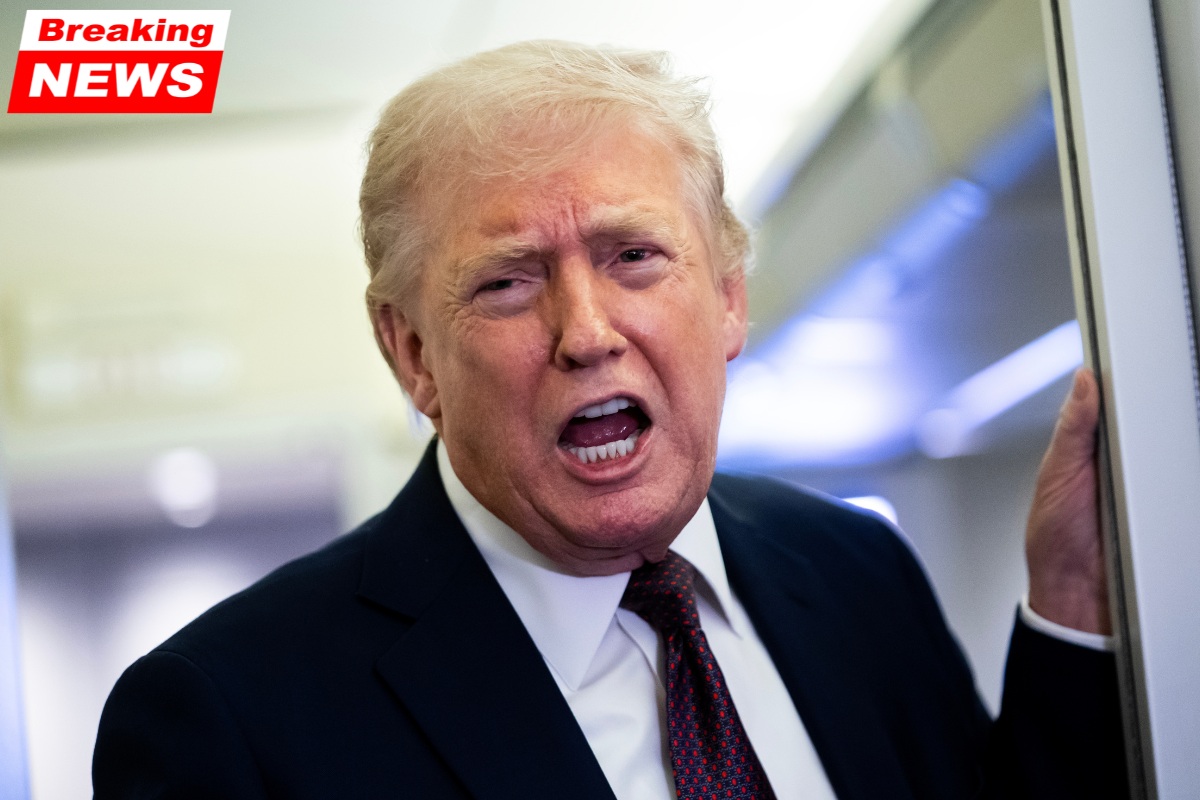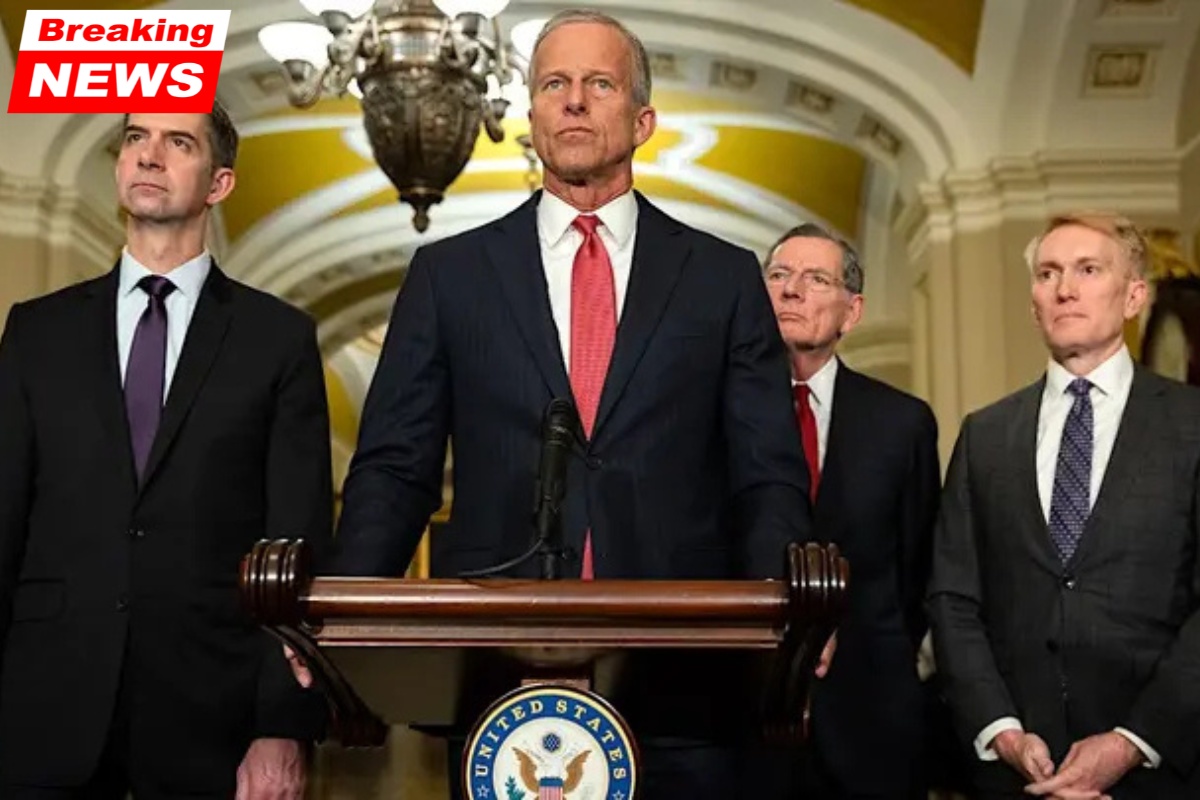
President Donald Trump has voiced his frustration with Senate Republicans for not taking the necessary steps to advance his legislative agenda.
Since his return to office, Trump has repeatedly urged Senate Republicans to terminate the filibuster, a procedural tactic requiring a 60-vote threshold for most legislation.
He argues that eliminating the filibuster is the key to unlocking important legislation, particularly the Safeguarding American Voter Eligibility (SAVE) America Act, which focuses on voter ID and citizenship verification — issues that Trump and many conservatives view as crucial for success in the upcoming midterm elections.
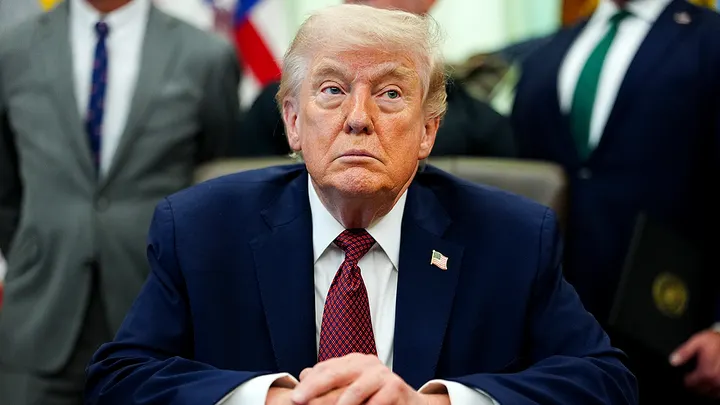
Trump’s Disappointment in Senate Republicans
In an interview on Tuesday, Trump expressed his disappointment with the Republicans’ failure to end the filibuster.
While he refrained from directly blaming Senate Majority Leader John Thune, R-S.D., Trump did suggest that there are Republicans who are hindering progress.
“I’m disappointed,” Trump said. “I like John a lot, but he, you know, he has a couple of Republicans that are foolish people. A couple of them are, like, a couple of them I can’t stand, actually.”
While Trump did not name the specific senators he was referring to, it is clear that his dissatisfaction stems from the lack of consensus among Republicans on the filibuster.
His frustration is aimed at those who he believes are blocking key legislative actions that could secure a victory for Republicans in the upcoming elections.
The SAVE America Act and Election Concerns
Trump has made it clear that the SAVE America Act — which aims to introduce stricter voter identification requirements and enforce citizenship verification to register to vote — is central to his strategy.
He argues that the filibuster is preventing important conservative priorities from passing, including efforts to limit mail-in voting.
Trump claims that mail-in voting leads to widespread election fraud, a claim that remains controversial and unsupported by widespread evidence.
“Because anytime you have mail-in voting, they’re going to cheat. And they cheat like dogs, and they have to cheat,” Trump said. “When you have policies like that, you have to cheat. It’s the only way they can win.”
According to Trump, the elimination of the filibuster would have allowed the SAVE America Act to pass, enabling policies such as proving citizenship for voter registration and limiting mail-in voting.
Trump has repeatedly warned that if Democrats regain control of the Senate, they will attempt to eliminate the filibuster to push through their own policies.
Republican Reluctance to End the Filibuster
Despite Trump’s insistence on ending the filibuster, many Senate Republicans remain opposed to such a drastic move.
Historically, the filibuster has been a critical tool for the minority party in the Senate, allowing them to block or delay legislation they oppose.

The filibuster has provided a safeguard against partisan legislation being pushed through without sufficient support.
Senate Republicans have been reluctant to eliminate the filibuster, with some expressing concerns that doing so would enable Democrats to implement policies they oppose if they regain control of the Senate.
Senate Minority Leader Chuck Schumer, D-N.Y., has long advocated for ending the filibuster, but the lack of Republican support for this move has made it difficult to achieve.
Setback for the SAVE America Act
While Senate Republicans continue to debate the SAVE America Act, the legislation has already faced significant obstacles.
Last month, a test vote to attach the legislation to the GOP’s budget plan for immigration enforcement ended in failure.
Senator John Kennedy, R-La., proposed an amendment to include the SAVE America Act, but it did not gain enough support, failing to secure a simple majority vote.
This setback highlights the challenges Republicans face in advancing their agenda in the current Senate environment, where the filibuster remains a significant barrier.
President Trump’s frustration with Senate Republicans reflects the ongoing tension within the party over how to advance key pieces of conservative legislation.
The debate over the filibuster remains central to these discussions, with Trump advocating for its elimination to push through important bills like the SAVE America Act.
However, many Republicans are hesitant to make such a move, fearing the long-term consequences of losing a tool that has historically protected minority interests in the Senate.
As the midterm elections approach, the future of the filibuster and Trump’s legislative agenda remains uncertain.