
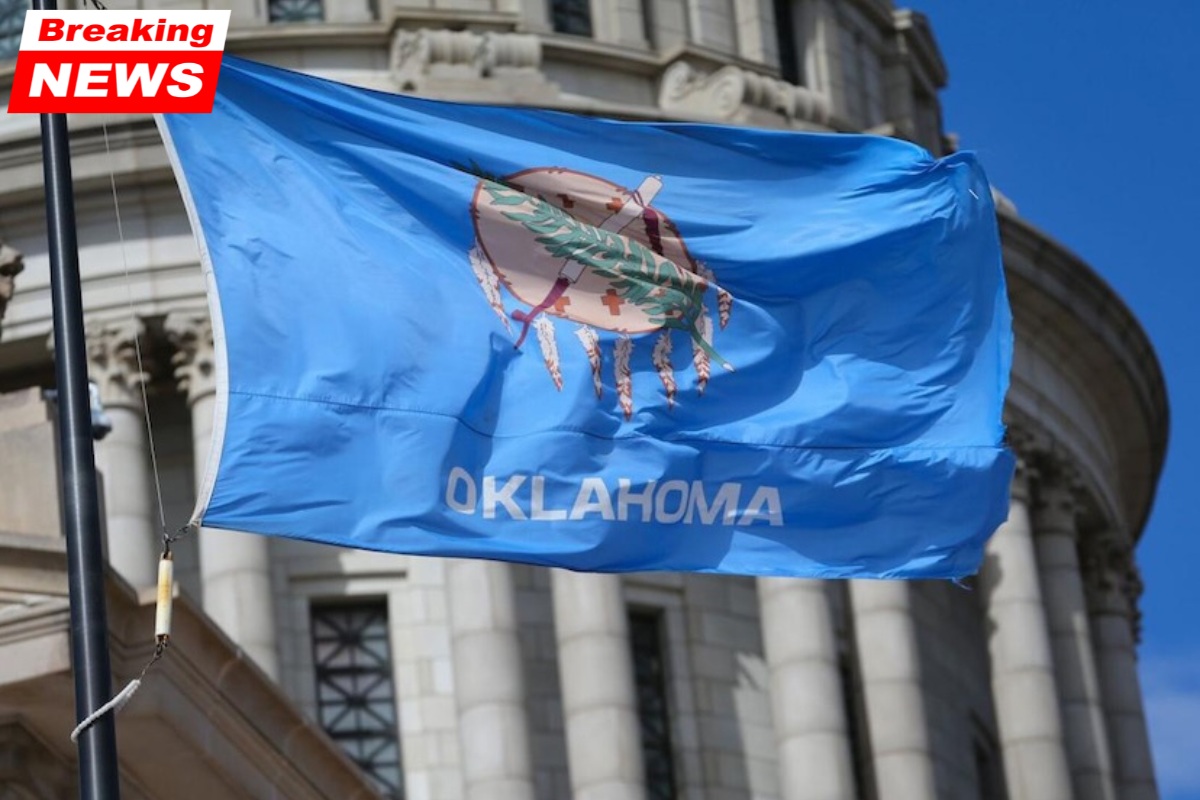
The Oklahoma Legislature has passed a contentious measure that would make the trafficking or distribution of abortion-inducing drugs a felony, sending House Bill 1168 (HB 1168) to Gov. Kevin Stitt for final approval.
The bill, which passed through the Oklahoma Senate in late April 2026, comes after months of heated debate and now awaits either the governor’s signature or veto.
Details of House Bill 1168
House Bill 1168 seeks to impose criminal penalties on anyone who knowingly provides, ships, or distributes abortion-inducing drugs, such as mifepristone and misoprostol, when intended to terminate a pregnancy illegally in Oklahoma.
If the bill becomes law, violations would be classified as a felony, punishable by up to 10 years in prison and fines as high as $100,000.
Supporters of the bill, including Senate author Sen. David Bullard, argue that it is necessary to reinforce Oklahoma’s already strict abortion laws. Bullard has characterized the measure as a tool to combat “trafficking networks” that distribute abortion pills into the state, circumventing state restrictions.
The bill’s proponents claim it addresses a legal loophole that has allowed abortion pills to be mailed into Oklahoma, despite the state’s abortion restrictions.
Exemptions and Clarifications
The bill includes language to clarify that it does not apply to medications used for legitimate medical care. For instance, medications administered for treating ectopic pregnancies or managing miscarriages would not be impacted by HB 1168.
This distinction was included in response to concerns raised during committee hearings about the potential misuse of the legislation in medical practices.
Opposition and Concerns
Opponents of HB 1168 argue that the measure goes too far in expanding criminal liability around reproductive healthcare and could lead to unintended legal consequences for doctors, pharmacists, and even shipping carriers involved in legitimate healthcare practices.
Critics have also pointed out that abortion access in Oklahoma is already extremely restricted under state law, and further criminal penalties could create confusion in medical practices and enforcement.
Many believe the bill’s passage is an attempt to further tighten Oklahoma’s abortion laws following the U.S. Supreme Court’s 2022 Dobbs decision, which allowed states to set their own abortion policies.
Oklahoma has since implemented some of the strictest abortion regulations in the U.S., where abortion is largely prohibited except when necessary to save the life of the pregnant woman.
Legislative Process and Next Steps
HB 1168 has gone through several stages of approval, including passing earlier versions in the House and undergoing amendments before advancing in the Senate during the 2026 legislative session.
Legislative tracking records indicate the bill has made it through committee passages and floor votes before arriving on Governor Stitt’s desk for final consideration.
Governor Stitt has not publicly indicated whether he will sign the bill into law, but his past support for restrictive abortion measures and his history of signing similar bills suggest that he may approve HB 1168.
If the governor signs it, Oklahoma would become one of the first states in the U.S. to impose explicit felony criminal penalties for the trafficking or delivery of abortion-inducing pills, further escalating the state’s already stringent stance on reproductive healthcare.
National Attention and Potential Impact
The outcome of HB 1168 is expected to draw significant attention from both proponents of stricter abortion enforcement and reproductive rights advocates across the country. As similar legislation continues to be proposed in other conservative-led states, Oklahoma’s decision could serve as a precedent for future state-level abortion restrictions.
The bill’s final outcome will be closely watched, as it represents one of the most aggressive state-level efforts in the U.S. to limit access to abortion medications and tighten the legal landscape around reproductive rights.






