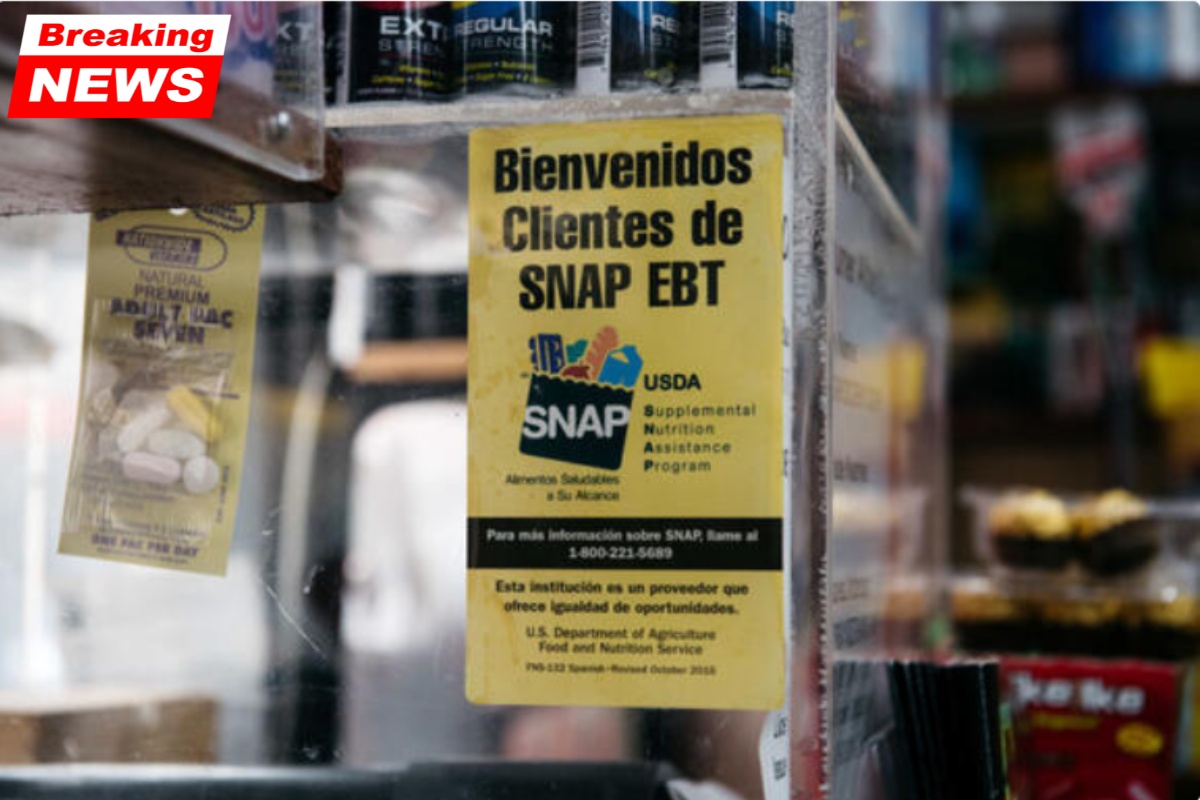
A proposed policy change backed by the Trump administration is raising serious concerns among disability advocates, as it could affect hundreds of thousands of vulnerable Americans who rely on government support to survive.
Proposed rule may impact SSI benefits
A new report suggests that a policy linked to Donald Trump’s administration could reduce or completely remove benefits under Supplemental Security Income for up to 400,000 disabled individuals.
This includes people living with conditions such as Down syndrome, dementia, and other serious disabilities. Many of those affected live in households where family members receive food assistance through Supplemental Nutrition Assistance Program.
What changes are being proposed
According to the report, the proposed rule would change how eligibility for SSI is calculated. Currently, the program uses strict limits on income and resources to determine who qualifies. However, not all types of household support are counted equally.
The new proposal would tighten these rules by including more forms of household support as income, which could make many current beneficiaries ineligible even if their actual financial situation has not improved.
Why the rule is being introduced
The policy is reportedly part of a broader effort to reduce federal spending on social safety net programs. Supporters argue that aligning eligibility rules across programs like SSI and SNAP could help prevent misuse and ensure that benefits go only to those who need them most. They believe it would also simplify how different assistance programs operate together.
Concerns from experts and advocates
Many experts and advocacy groups have raised strong concerns about the potential impact. They warn that the rule could disproportionately affect people who are already struggling.
For many recipients, SSI is not just a monthly payment but a lifeline that helps cover basic needs like housing, healthcare, and daily living expenses. Losing these benefits could push individuals into deeper financial hardship.
Impact on shared living arrangements
One major concern is how the rule could affect families who live together. Many low-income households share resources as a way to manage costs and provide care.
Critics say the proposed changes would penalise these arrangements by treating shared support as income, even when it does not improve the person’s actual financial condition. This could force some individuals to choose between living with family or keeping their benefits.
Current SSI rules and eligibility limits
At present, Supplemental Security Income supports around 7.4 million Americans, including both adults and children with severe disabilities. To qualify in 2026, individuals generally cannot have more than $2,000 in countable resources.
Even small adjustments in how income is calculated can make a big difference in eligibility, which is why the proposed rule has drawn so much attention.
Past examples raise warning signs
Policy analysts have pointed out that similar changes in the past have led to unintended consequences. Adjusting income calculations has previously caused people to lose benefits even when their real-life financial situation remained the same. This history adds to concerns that the new rule could have widespread negative effects.
What happens next
The Social Security Administration, which manages SSI, has not yet finalised the rule. Before it can be implemented, it will likely go through a public comment period, allowing experts, advocacy groups, and citizens to share their views. This process could influence whether the rule is modified or delayed.
The proposed changes to SSI eligibility highlight a complex debate between reducing government spending and protecting vulnerable populations. While supporters believe the rule could improve efficiency and fairness, critics argue it risks harming those who depend on these benefits the most.
As the policy moves through the review process, its final outcome will be closely watched, as it could significantly impact the lives of hundreds of thousands of Americans who rely on SSI for stability and support.