A recent security scare in Washington, D.C. has sparked a fresh political debate about safety at major government events. After a gunman attempted to attack high-level officials during a public gathering, discussions have now turned toward whether the White House should have its own secure event space.
Security Incident Raises Concerns
The incident took place at the Washington Hilton during the well-known White House Correspondents’ Association Dinner. According to reports, a 31-year-old armed suspect managed to get inside the hotel and move past initial security checks.
The situation turned serious when Secret Service officers exchanged gunfire with the suspect, who had both a shotgun and a handgun. Fortunately, he was taken into custody before reaching the main event area, where top leaders including the president and vice president were present.
Fetterman’s Call for a White House Ballroom
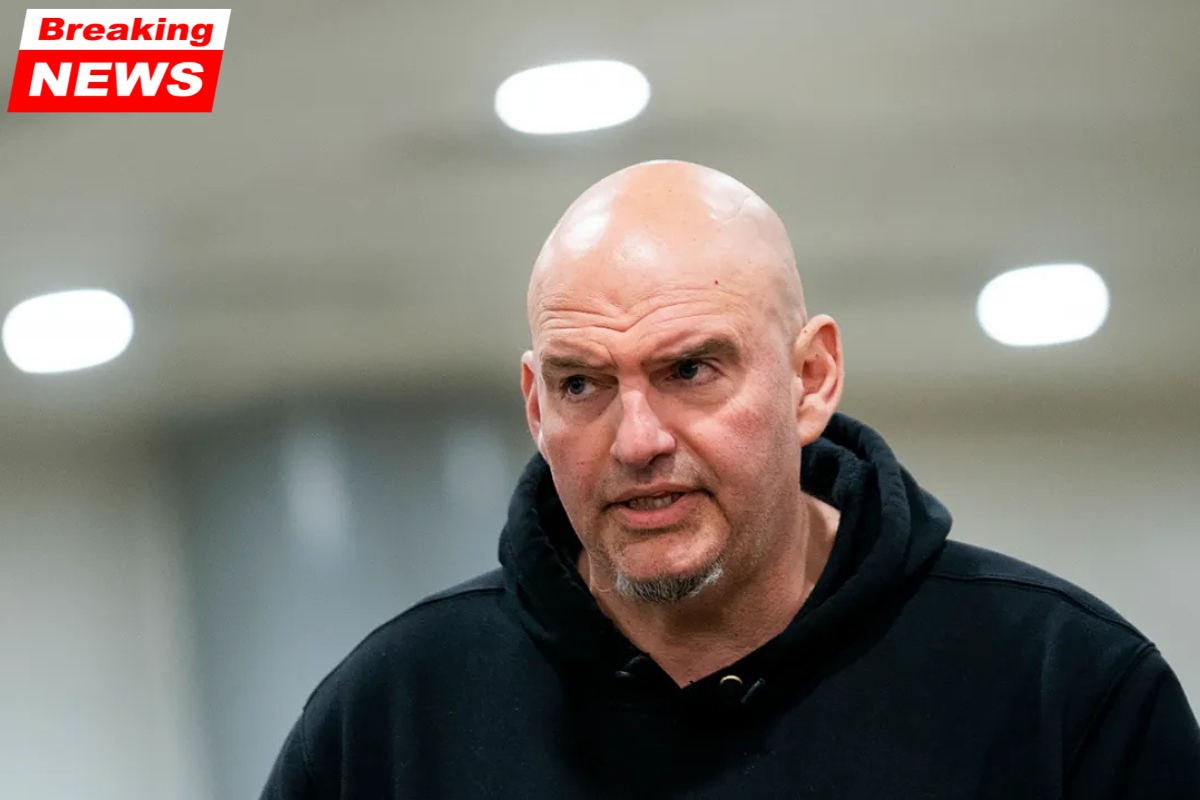
Following the incident, John Fetterman publicly urged fellow Democrats to support building a new ballroom at the White House.
He argued that the hotel was not designed to safely host events involving key government leaders. According to him, such gatherings should be held in a location specifically built for high-level security.
Fetterman also pointed out that the venue lacked the infrastructure needed to protect important figures in the line of presidential succession.
Details About the Suspect’s Entry
Reports suggest the suspect, Cole Thomas Allen, entered the hotel by booking a room in advance. He did not have an official invitation to the dinner or related events.
In a message reportedly shared before the incident, he criticised the security setup, claiming it focused mainly on outside threats like protesters while ignoring risks from inside the building.
This has raised questions about how large public venues handle security for major political events.
Support for the Ballroom Proposal
The idea of building a large, secure ballroom inside the White House has been supported by Donald Trump, who said such a facility would include advanced safety features like bulletproof glass and protection against drone threats.
Supporters argue that hosting important events within a controlled government facility would reduce risks and improve overall security.
Opposition and Legal Challenges
However, the proposal has faced strong opposition. The National Trust for Historic Preservation has filed a lawsuit to stop the construction, arguing that it would damage the historical design and appearance of the White House.
A federal judge, Richard J. Leon, had earlier ordered a halt to the project unless it receives approval from Congress. However, a temporary decision from an appeals court has allowed work to move forward for now.
The Department of Justice has since urged the preservation group to drop the case, especially after the recent security incident highlighted potential risks.
Why This Issue Matters
This situation highlights an important debate between security and tradition. On one hand, there is a clear need to protect top leaders during public events. On the other hand, there are concerns about preserving historic landmarks like the White House.
The incident has also raised broader questions about how secure public venues really are when hosting high-profile gatherings.
The attempted attack at the Washington Hilton has added urgency to an already ongoing debate about safety and infrastructure. While some leaders see a White House ballroom as a practical solution, others worry about its impact on history and tradition.
As discussions continue, the final decision will likely depend on legal outcomes and political agreement. What remains clear is that ensuring safety at major public events is now more important than ever, and finding the right balance between security and preservation will be key moving forward.