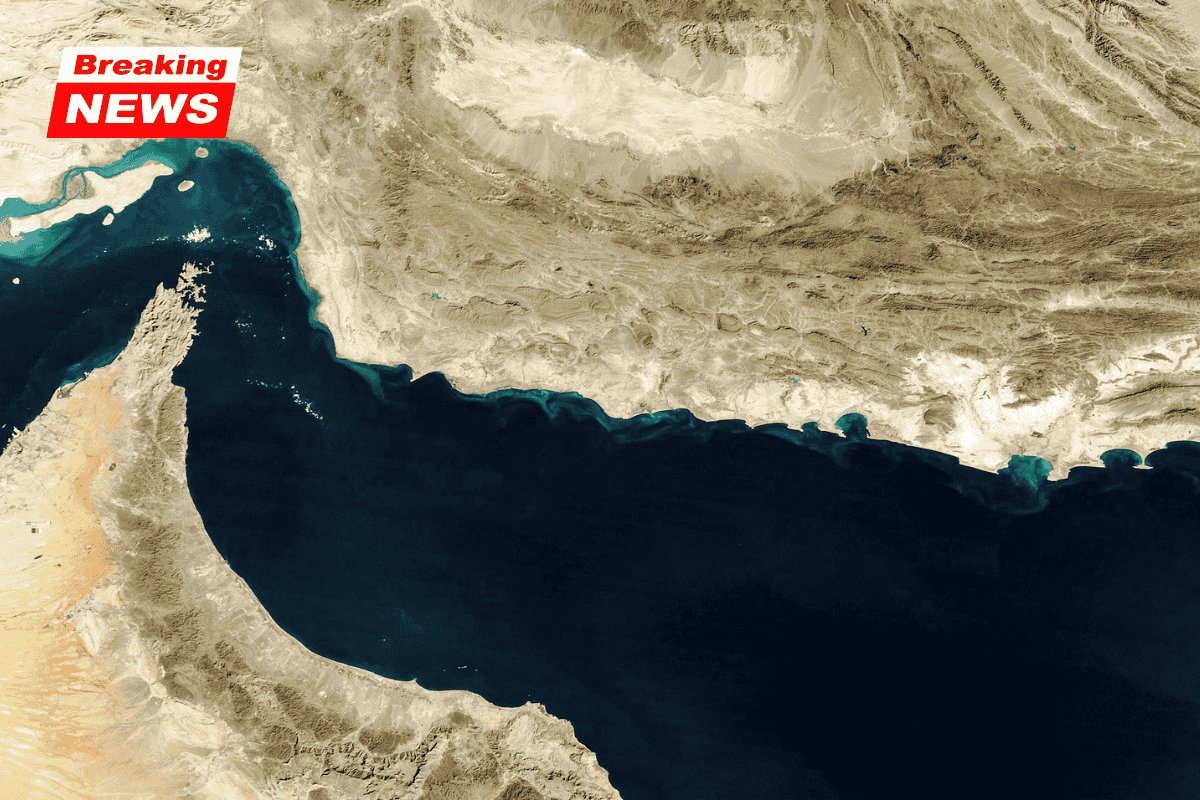
Oil prices jumped sharply when global markets opened late Sunday after fresh military tensions in the Middle East. U.S. and Israeli strikes on Iran, followed by retaliatory attacks targeting Israel and U.S. military sites in the Gulf region, created fears of major disruptions in global oil supply.
Energy traders reacted quickly, pushing crude prices higher amid concerns that exports from the region could slow down or even stop.
Why Oil Prices Are Rising
The main concern is supply disruption. If oil cannot move freely from the Middle East to global markets, prices usually rise.
On Sunday night, West Texas Intermediate (WTI), the main U.S. crude benchmark, was trading at around $72 per barrel. That is nearly an 8% jump from Friday’s closing price of about $67.
The spike reflects fears that attacks in the region could affect key oil transport routes — especially the Strait of Hormuz.
The Importance of the Strait of Hormuz
The Strait of Hormuz is one of the most important oil chokepoints in the world. It is a narrow waterway connecting the Persian Gulf to global shipping lanes.
Key facts:
- Around 15 million barrels of crude oil pass through it every day
- That equals nearly 20% of global oil supply
- It is bordered by Iran to the north
- Oil from Saudi Arabia, Kuwait, Iraq, UAE, Qatar and other countries flows through it
If shipping through this route is blocked or reduced, global supply could drop quickly. According to analysts at Rystad Energy, markets are more worried about whether oil can physically move than about total production numbers on paper.
Attacks Add to Market Tension
Reports say two vessels traveling through the Strait of Hormuz were attacked. Even if the strait is not fully closed, shipping companies and insurance firms may become cautious.
This could lead to:
- Higher shipping insurance costs
- Delays in oil transport
- Fewer tankers willing to travel through the region
- Reduced oil exports
As CBS News correspondent Kelly O’Grady explained, it comes down to simple supply and demand. If supply drops while demand remains steady, prices rise.
OPEC+ Announces Production Increase
In response to global uncertainty, the Organization of the Petroleum Exporting Countries (OPEC+) announced it would increase crude production.
Eight member countries — including Saudi Arabia, Russia, Iraq, UAE, Kuwait, Kazakhstan, Algeria and Oman — said they would boost output by 206,000 barrels per day in April.
However, experts say this extra production may not immediately solve the problem if export routes remain unsafe. Even if more oil is pumped, it still needs to move through secure shipping lanes.
Iran’s Role in the Global Oil Market
Iran exports about 1.6 million barrels of oil daily, mostly to China. If its exports are disrupted, China and other buyers may need to find alternative suppliers.
However, analysts say it would be risky for Iran to completely block the Strait of Hormuz. Since much of Iran’s revenue comes from oil exports, shutting down the route could harm its own economy.
Experts believe a full closure is unlikely, but smaller disruptions, delays and rising insurance costs could still push prices higher.
What This Means for Consumers
When crude oil prices rise, the impact is usually felt in:
- Higher petrol prices
- Increased diesel costs
- Rising transportation expenses
- More expensive goods due to supply chain costs
If tensions continue or worsen, consumers around the world could see fuel prices increase in the coming weeks.