
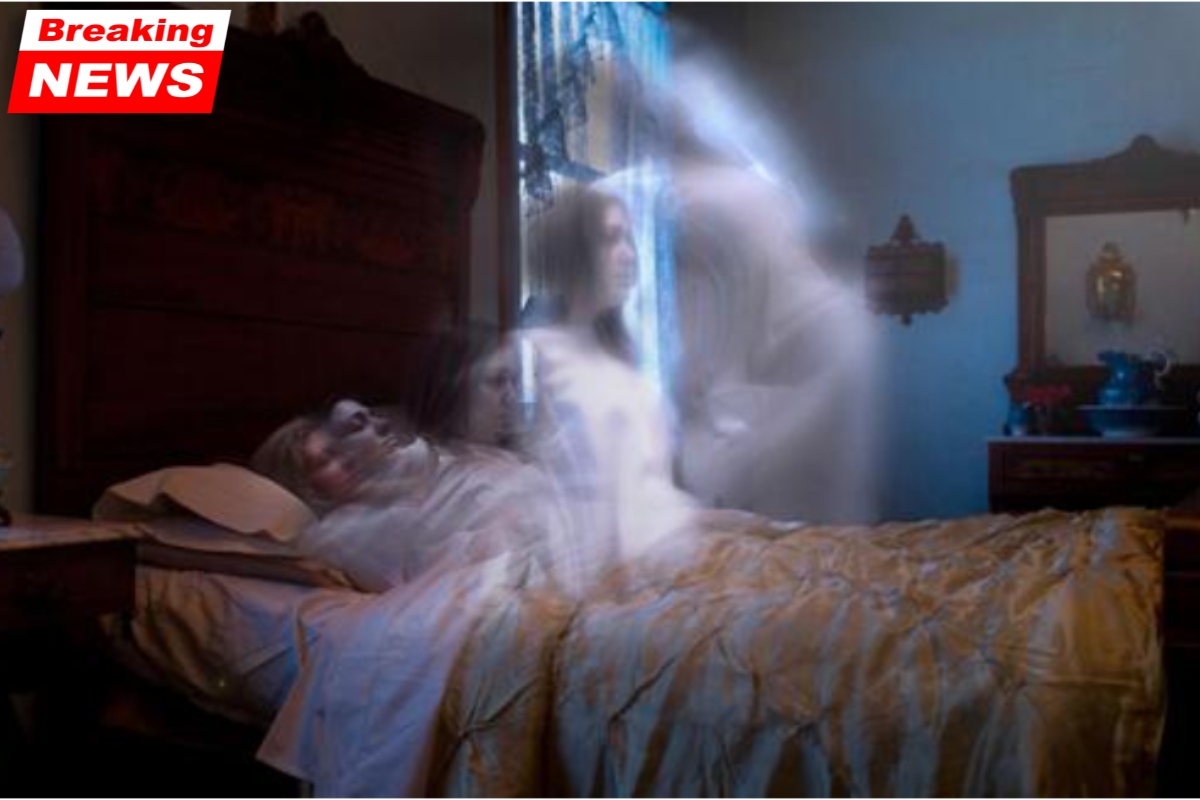
A fascinating study reveals that terminally ill patients often experience vivid dreams and visions in their final days, known as end-of-life dreams and visions (ELDVs). Conducted by researchers at Azienda USL-IRCCS di Reggio Emilia in Italy, this study provides a unique insight into the recurring themes and imagery seen by patients in their final moments.
These experiences, reported by patients in the care of palliative professionals, are often comforting, but in some cases, they can be deeply unsettling.
Recurring Themes in End-of-Life Dreams and Visions
According to the study, one of the most common and striking elements of ELDVs is the appearance of deceased loved ones. These vivid, sometimes lucid dreams often feature family members, friends, or even pets who have passed away. The patients describe these figures as looking and feeling entirely real, offering a sense of comfort or reassurance.
For example, one woman reported dreaming of her late husband, who appeared and simply told her, “I’m waiting for you.” Another patient described climbing barefoot towards a glowing open door, while yet another recalled seeing a white horse galloping along a shoreline. These kinds of experiences seem to serve as a form of psychological relief, allowing the dying to process the concept of death through symbolic and comforting imagery.
Researchers believe that ELDVs allow patients to approach the often unspeakable and overwhelming concept of death in a less direct, more manageable way. The study’s authors suggest that “talking about ELDVs allows patients to approach otherwise unspeakable topics through a symbolic mode of expression, bypassing the obstacles of rational language, which can instead trigger defensive reactions such as denial.”
The Other Side: Death Nightmares and Disturbing Visions
While many patients experience peaceful and comforting dreams, not all ELDVs are so serene. Some terminally ill patients report frightening and disturbing visions, often involving unsettling imagery or scenarios.
One patient described a monster wearing their mother’s face, a vision that seems to reflect unresolved fears and deep-seated emotional conflicts. Such nightmares may signify unmet psychological or emotional needs, underscoring the complex relationship between mind and body in the final stages of life.
These disturbing dreams are important for care teams to take note of, as they can offer clues into the patient’s mental and emotional state. By paying attention to the content of these dreams, healthcare professionals may gain valuable insight into the patient’s psychological needs and provide better care.
ELDVs and Cultural Impact
The study also highlighted the universal nature of ELDVs, noting that the imagery—such as tunnels, bright lights, staircases, and deceased loved ones—appears across various cultures and among patients from different backgrounds.
This consistency across different patients, cultures, and situations challenges researchers to understand the deeper significance of these visions. While it is still unclear what exactly these visions mean, the consistency with which they occur suggests they may be part of a larger, shared psychological or spiritual experience in the dying process.
Despite the commonality of ELDVs, many patients are reluctant to share these visions with their caregivers. As study lead Elisa Rabitti noted, “Patients often hesitate to disclose them due to fear of ridicule, judgment, or being perceived as confused.” This reticence means that many ELDVs go undocumented, possibly leaving gaps in the understanding of how dreams and visions function in the final stages of life.
The Importance of ELDVs for Care Teams
The research emphasizes that ELDVs can serve as important diagnostic tools for palliative care providers. By paying attention to the dreams and visions described by terminally ill patients, healthcare professionals can gain insights into the patient’s emotional and psychological state. Whether the dreams are peaceful or disturbing, they provide valuable information that can help guide end-of-life care.
ELDVs also offer an opportunity for caregivers to engage with patients on a deeply personal level, allowing them to discuss their experiences in a safe, non-judgmental environment. For patients, sharing these experiences can be an important step in processing their emotions and coming to terms with the inevitable.
Table: Key Details from the Study
| Detail | Information |
|---|---|
| Study Published In | Death Studies |
| Research Location | Azienda USL-IRCCS di Reggio Emilia, Italy |
| Study Focus | End-of-life dreams and visions (ELDVs) among terminally ill patients |
| Common Themes | Reunions with deceased loved ones, symbolic imagery like glowing doors and white horses |
| Negative Experiences | Disturbing visions, including monsters with familiar faces |
| Frequency of ELDVs | Reported by 239 palliative care professionals |
| Patient Reticence | Many patients fear sharing ELDVs due to fear of ridicule or being perceived as confused |
| Study Findings | ELDVs offer psychological relief and provide insight into unresolved fears or emotional needs |
While the exact meaning of end-of-life dreams and visions remains unclear, the findings of this study shed light on the powerful role these dreams play in the dying process. From comforting reunions with deceased loved ones to unsettling nightmares, ELDVs are a universal part of the human experience in the final stages of life.
As researchers continue to explore these dreams, the hope is that healthcare professionals will use this knowledge to provide better emotional and psychological care for those nearing the end of their journey.






