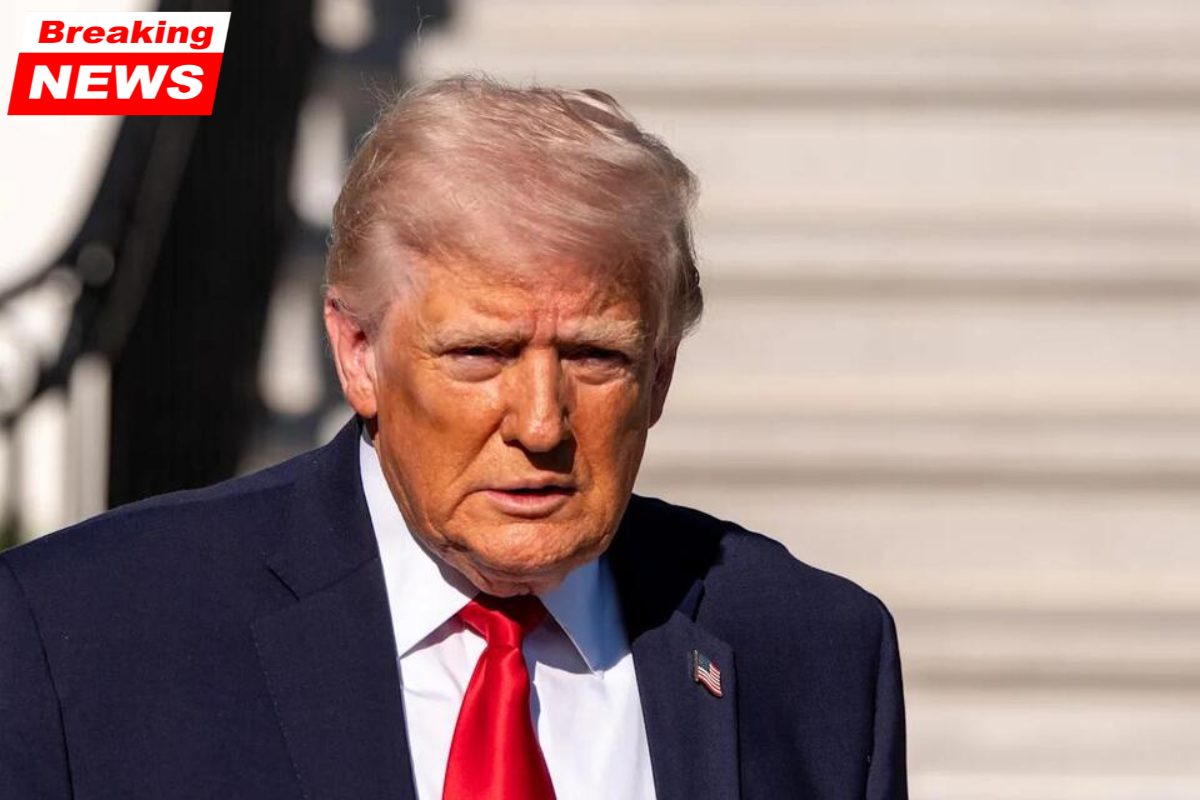
Senior Republican figures are reportedly signaling a growing divide within the party over the leadership of Donald Trump. While public messaging from party leadership remains largely unified, behind-the-scenes discussions suggest frustration within GOP ranks may be reaching a critical point.
According to political reporting, some insiders believe that if a confidential vote were held today, there could be enough support among Republicans to consider removing the president from office.
Reports of a “Secret Ballot” Scenario
The claims have been highlighted by Brian Karem, who cited multiple GOP sources expressing dissatisfaction with the administration. These sources suggest that a private vote could reveal a different reality than what is publicly visible, potentially showing support for impeachment and conviction.
However, this scenario remains speculative. Publicly, Republican leadership has not endorsed such action, and there is no formal process currently underway. The idea of a “secret ballot” reflects internal frustration rather than an imminent political move.
Signals from Senate Leadership Circles
Insights from within the office of John Thune indicate that while a formal vote to remove Trump is not currently considered “viable,” it has not been entirely ruled out. This cautious stance suggests that some lawmakers may be keeping their options open, particularly as political conditions evolve.
Observers point to the upcoming midterm elections as a potential turning point. A shift in political dynamics could provide cover for lawmakers to take a more public stance, possibly moving internal dissent into official proceedings.
Criticism from Prominent Republican Voices
One of the most notable critics within the party is Marc Racicot. Racicot has openly criticized Trump’s conduct, including a controversial AI-generated image portraying the president in a Christ-like manner. He described the act as inappropriate and politically damaging.
Beyond specific incidents, Racicot has raised broader concerns about governance and constitutional responsibility. His comments reflect a segment of the الحزب that questions not only Trump’s actions but also his approach to leadership and institutional norms.
Debate Over Removal Options
Within Republican circles, discussions are not limited to impeachment alone. Some strategists are reportedly considering the use of the Twenty-fifth Amendment to the United States Constitution as an alternative path.
This mechanism allows for the removal of a president deemed unable to perform their duties but requires significant internal agreement within the administration.
Despite being faster than impeachment, the 25th Amendment presents its own challenges, particularly the need for consensus among top officials—a threshold that has not yet been reached.
The Role of Vice Presidential Succession
A key factor complicating any potential move against Trump is the question of succession. If the president were removed from office, JD Vance would assume the presidency. This possibility has created additional divisions within the party, as not all factions agree on what a post-Trump leadership structure should look like.
The uncertainty surrounding succession highlights a broader identity struggle within the Republican Party, as it continues to navigate its direction in the current political landscape.
While public unity remains the official stance, reports of internal dissatisfaction suggest that tensions within the Republican Party are more complex than they appear.
The idea of a “secret ballot” revealing support for Trump’s removal underscores a disconnect between private sentiment and public positioning.
For now, no formal action is underway, and the administration remains firmly in place. However, with political pressures building and key elections on the horizon, the situation remains fluid.
Whether these internal divisions evolve into concrete action will depend on shifting political calculations, party unity, and the broader national climate.