
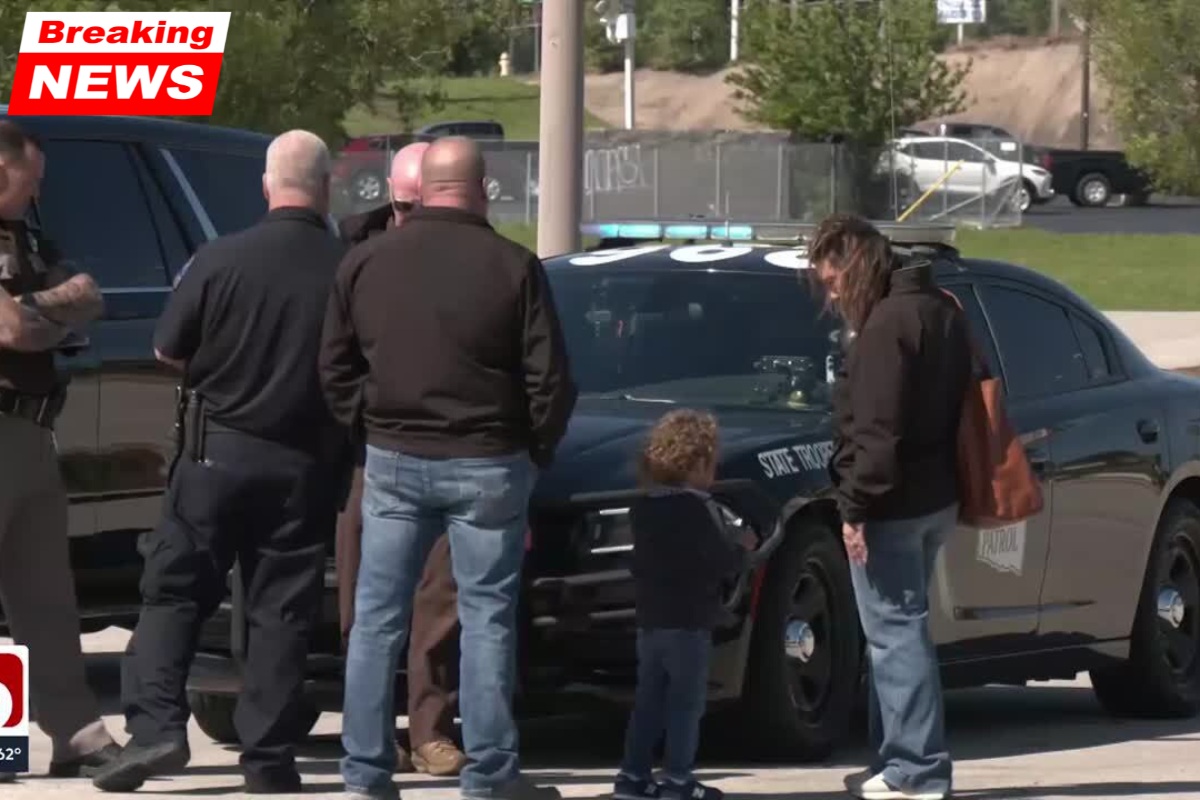
Families in Tulsa had the opportunity to connect with first responders during a special event designed to promote safety and understanding for people of all ages.
The event, called “Heroes and Families Safety Day Celebration,” brought together local organizations and emergency personnel to help build stronger relationships with the community—especially families navigating autism.
Community Partners Come Together
The event was hosted through a partnership between the Autism Foundation of Oklahoma and Family and Children’s Services.
Organizers say the goal was to create a welcoming environment where families could learn about safety while also becoming more comfortable interacting with first responders.
Project Safe Stop Builds Confidence
A key part of the event was “Project Safe Stop,” an initiative led by the Tulsa Police Department.
Tulsa Police Lieutenant Pat Harker explained that the program includes mock traffic stops designed specifically for individuals on the autism spectrum.
“These exercises help people understand what officers look like, how they communicate, and what to expect during a stop,” Harker said.
The goal is to reduce anxiety and make real-life interactions with law enforcement less stressful and more predictable.
Blue Envelope Program Explained
Another important initiative highlighted was the “Blue Envelope Program.”
This program encourages drivers to keep their license and registration inside a blue envelope. When handed to an officer, it signals that the driver may have different communication needs.
The program helps officers adjust their approach, allowing for clearer communication and safer interactions during traffic stops.
Focus on Safety and Understanding
| Program | Purpose |
|---|---|
| Project Safe Stop | Practice traffic stops for individuals with autism |
| Blue Envelope Program | Improve communication during real traffic stops |
| Safety Day Event | Build trust between families and first responders |
The event emphasized that safety education is not one-size-fits-all and that understanding individual needs can make a major difference.
The “Heroes and Families Safety Day Celebration” highlights how community partnerships can improve safety while building trust. By focusing on education, communication, and inclusion, programs like Project Safe Stop and the Blue Envelope initiative aim to make everyday interactions safer for everyone.
For families, especially those in the autism community, events like this provide valuable tools and reassurance when interacting with first responders.






