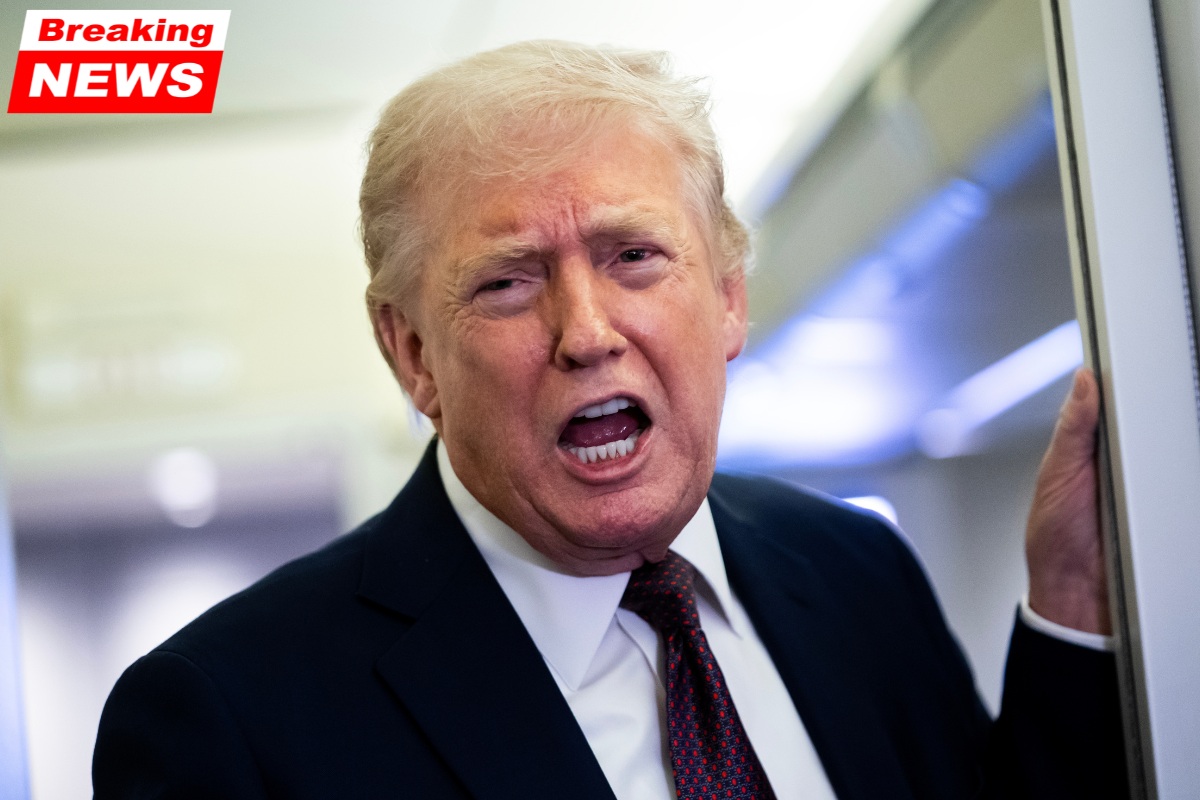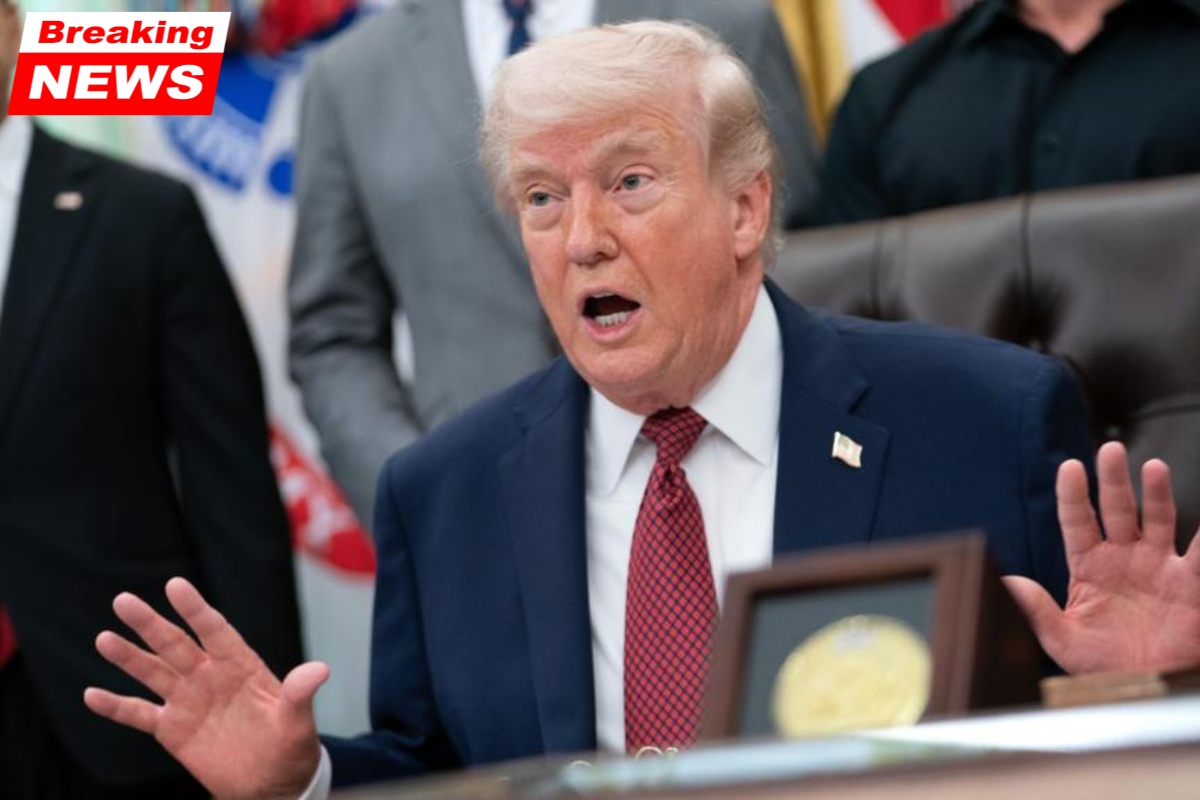
Donald Trump said in a Truth Social post on April 20 that Israel did not influence his decision-making regarding the ongoing conflict with Iran.
In his statement, Trump pushed back against claims that the United States entered the conflict due to pressure from Israeli leadership. He wrote, “Israel never talked me into the war with Iran,” adding that his position was shaped by what he described as a long-standing belief that “IRAN CAN NEVER HAVE A NUCLEAR WEAPON.”
He also referenced the October 7 attacks as a contributing factor, but emphasized that his stance on Iran’s nuclear ambitions predates the current conflict.
Trump Reaffirms Longstanding Position on Iran
Trump framed his approach as consistent over time, arguing that preventing Iran from acquiring nuclear capabilities has always been a core priority.
He also suggested that the outcome of the conflict could lead to major political changes within Iran. In his post, he pointed to the possibility of new leadership, saying that if future leaders are “smart,” the country could move toward a more stable and prosperous future.
At the same time, Trump sharply criticized media coverage and polling related to the conflict. He claimed that much of the reporting is inaccurate and described polls as unreliable, repeating his broader criticism of media institutions.
Criticism From U.S. Political Figures
Trump’s comments come amid ongoing debate in Washington over what led to U.S. involvement in the conflict.
Kamala Harris argued that the United States was drawn into the war under the influence of Israeli leadership. Speaking at a political event, she said Trump “entered a war” that was influenced by Israeli Prime Minister Benjamin Netanyahu, and warned that the conflict could put American service members at risk.
Similarly, Chris Murphy suggested that Israeli decisions may have played a central role in shaping the conflict. He argued that Israel’s actions and concerns about regional threats could have influenced U.S. involvement.
These criticisms reflect a broader divide over whether the war was driven primarily by U.S. strategic priorities or by alliance considerations.
Operation Epic Fury and Escalation
The conflict referenced in these statements began with a U.S. military campaign known as Operation Epic Fury.
Launched in late February 2026, the operation involved coordinated strikes on Iranian military infrastructure, including:
- Command centers
- Missile systems
- Air defense networks
Since then, the situation has expanded into a broader regional confrontation. Reports indicate that the escalation has included the deaths of Iran’s supreme leader and several senior officials, significantly raising the stakes.
Debate Over Motives and Strategy
| Issue | Trump’s Position | Critics’ View |
|---|---|---|
| Role of Israel | No influence on decision | Significant influence alleged |
| Core Objective | Stop Iran’s nuclear program | Questioning broader motives |
| Conflict Origin | Longstanding U.S. policy | Triggered by alliance dynamics |
| Outcome Expectations | Potential positive change in Iran | Risk of escalation and instability |
The disagreement highlights a deeper policy divide. Trump maintains that the decision to confront Iran is rooted in long-held national security concerns. Critics argue that the situation may reflect a combination of strategic interests and external influence.
Trump’s latest statement directly addresses one of the central criticisms of the Iran conflict: whether the United States acted independently or was influenced by its allies.
By emphasizing his longstanding opposition to Iran’s nuclear ambitions, he is positioning the conflict as a continuation of established policy rather than a reaction to external pressure.
However, the debate is unlikely to fade. As the conflict evolves, questions about its origins, objectives, and long-term consequences will continue to shape political discussions in Washington and beyond.