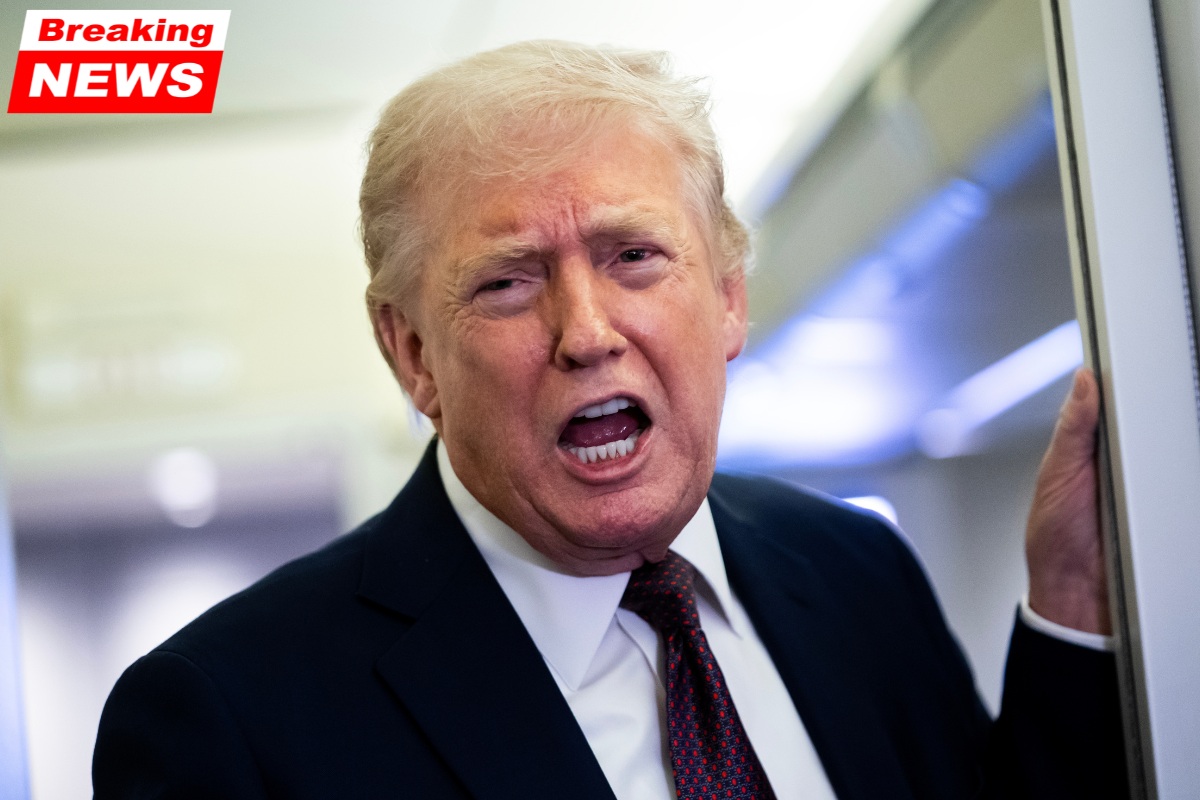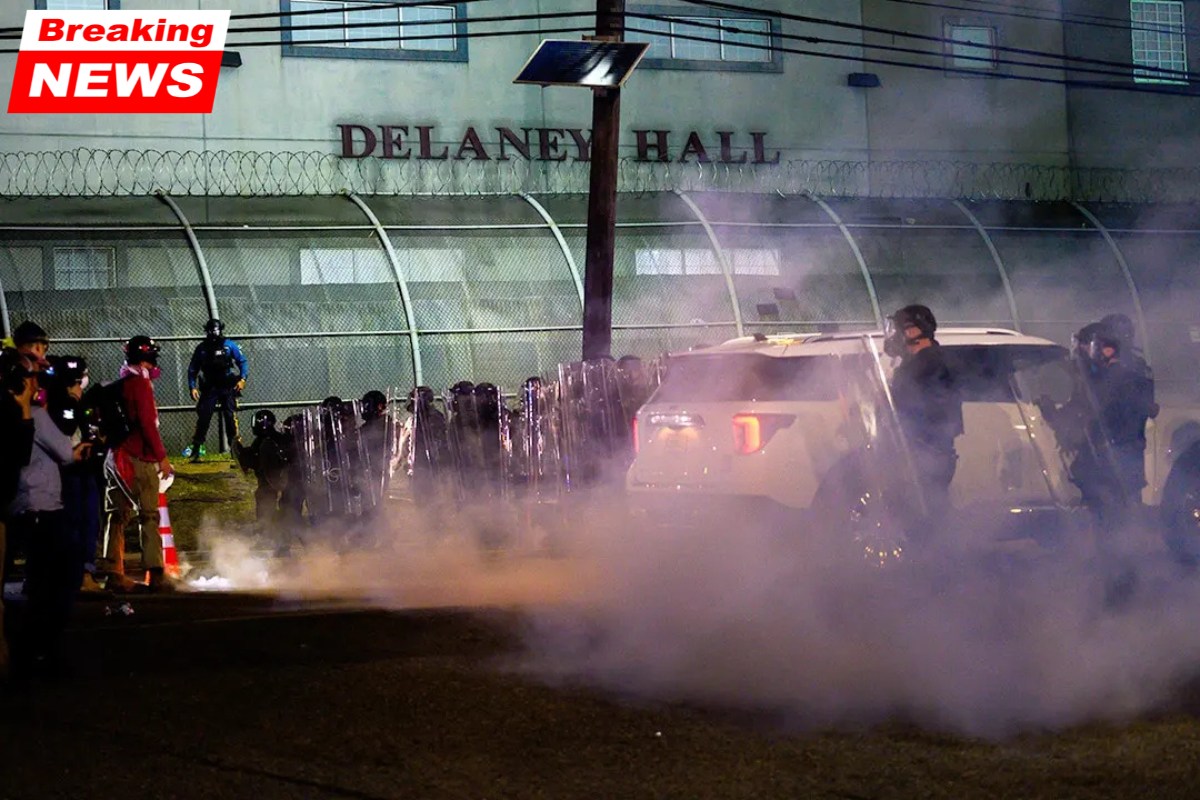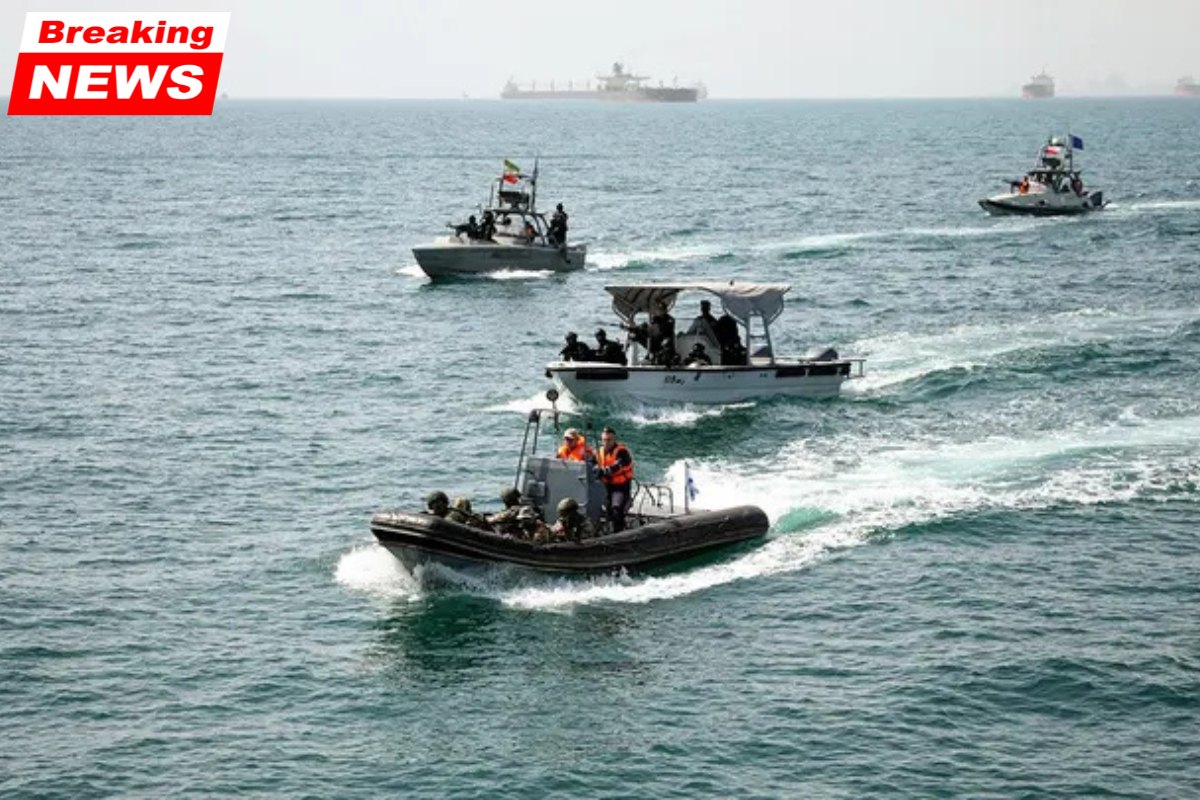
The Iran conflict appears to be easing, and if a fragile ceasefire holds, Donald Trump could soon declare a major victory. From a surface-level view, that claim may hold weight: shipping lanes reopened, military pressure applied, and Iran pushed back.
The campaign itself addressed a real concern. Iran, seen as a nuclear-threshold state with influence across multiple regions, posed a strategic challenge. Acting against that threat was viewed by some as necessary.
But beneath the immediate results, broader consequences are emerging — and they may shape global power dynamics far beyond the battlefield.
A Deeper Shift: China, Russia, and Iran Aligning
While the United States focused on Iran militarily, a larger geopolitical shift has been gaining momentum. A closer alignment between China, Russia, and Iran has been strengthening.
During a meeting in Beijing, Xi Jinping described China-Russia ties as “precious” and called for stronger coordination to reshape the global order. At the same time, Sergey Lavrov publicly defended Iran’s right to enrich uranium, directly opposing U.S. demands.
These statements signal more than routine diplomacy. They reflect a coordinated stance among major powers pushing back against U.S. influence.
Reports have also suggested that Russia may have provided Iran with support such as satellite imagery and cyber assistance, though such claims remain unconfirmed. Meanwhile, China has continued purchasing large volumes of Iranian oil, helping sustain its economy during the conflict.
Economic and Strategic Support for Iran
China’s role has been particularly significant in keeping Iran economically stable. By buying a large share of Iran’s oil exports, often at discounted prices, Beijing has helped Tehran remain financially viable despite military pressure.
At the same time, Russia has benefited from rising global oil prices, which surged during the conflict. Higher prices have supported Moscow’s economy, including its ongoing military efforts elsewhere.
In early 2026, Iran, China, and Russia formalized a trilateral strategic framework covering economic, military, and nuclear cooperation. Analysts have increasingly referred to this broader grouping — sometimes including North Korea — as a growing counterweight to Western alliances.
Rather than isolating Iran, U.S. pressure may have pushed these countries closer together.
Strains Within NATO
At the same time, tensions have emerged within the NATO alliance.
When the U.S. requested support from allies — including France, Germany, Italy, and Britain — to secure shipping routes in the Strait of Hormuz, those countries declined. Non-NATO partners like Australia and Japan also reportedly refused.
Trump criticized the response, calling the alliance weak and even suggesting the United States could withdraw. Discussions about reducing U.S. troop presence in Europe have added to the strain.
Former NATO Secretary General Jens Stoltenberg emphasized that NATO is a defensive alliance, not designed for offensive operations in regions like the Middle East.
Experts warn that the situation could represent one of the most serious fractures in the alliance in decades.
A Broader Strategic Competition
The Iran conflict is increasingly being viewed as part of a larger global contest between major powers.
China and Russia are believed to be closely observing U.S. military operations, analyzing tactics, logistics, and response patterns. These insights could influence future strategic planning, including potential conflicts in other regions.
Critics argue that current U.S. strategy may underestimate the level of coordination between its rivals. Historically, leaders like Richard Nixon and Henry Kissinger worked to prevent exactly this kind of alignment between major adversaries.
Today, that alignment appears to be strengthening rather than weakening.
Key Issues at Stake
| Issue | Impact |
|---|---|
| Iran Conflict Outcome | Possible short-term U.S. victory |
| China-Russia-Iran Alignment | Growing strategic cooperation |
| NATO Unity | Increasing strain and disagreement |
| Global Power Balance | Shift toward multipolar competition |
| Long-Term Risk | Tactical success vs strategic cost |
The United States may be able to claim a tactical victory in Iran if the ceasefire holds. But the larger question is what that victory costs.
A stronger alignment between China, Russia, and Iran, combined with visible cracks in NATO, suggests that the broader strategic picture is becoming more complex. Success in one Area does not guarantee strength overall.
In global politics, long-term influence is shaped by alliances, credibility, and coordination. Winning a conflict while weakening partnerships can carry lasting consequences.
As the situation evolves, the focus may shift from battlefield outcomes to whether the United States can rebuild alignment with allies while managing rising competition from rival powers.