
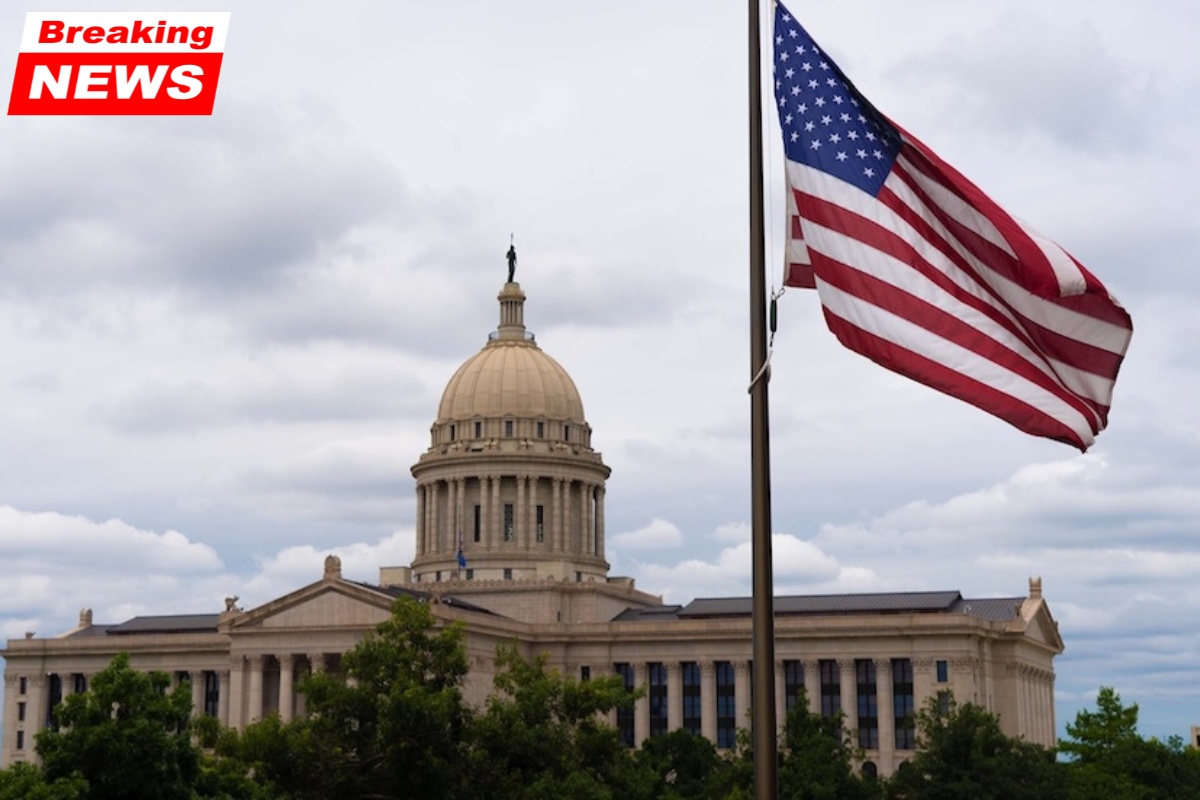
Lawmakers in Oklahoma supported a short-term extension of a key federal surveillance authority as Congress worked to prevent a lapse in one of the country’s most debated intelligence programs.
The measure extends Section 702 of the Foreign Intelligence Surveillance Act, which allows U.S. intelligence agencies to collect communications from foreign targets outside the United States, while also incidentally capturing some communications involving Americans.
Short-Term Extension After Failed Negotiations
Congress approved only a temporary extension through April 30, 2026, after failing to reach agreement on a longer-term solution. Lawmakers had debated multiple options, including a five-year extension, a shorter compromise, and reforms that would impose stricter warrant requirements.
However, deep disagreements on privacy protections and national security priorities led to repeated delays, forcing Congress to settle on a short-term fix to keep the program active.
| Aspect | Details |
|---|---|
| Law Extended | Section 702 (FISA) |
| New Deadline | April 30, 2026 |
| Type | Short-term extension |
| Key Issue | Privacy vs. national security |
Republican Divisions Over Surveillance Policy
The debate exposed clear divisions within the Republican Party. While party leadership pushed for a clean extension to avoid disrupting intelligence operations, other members—especially libertarian-leaning conservatives—demanded stronger safeguards for Americans’ data. These internal disagreements complicated negotiations and prevented lawmakers from agreeing on a long-term reauthorization plan.
Role of Donald Trump in the Debate
Donald Trump played a significant role in shaping the conversation, urging Republicans to unite behind extending surveillance authorities without major changes. He emphasized the importance of these tools for national security and counterterrorism. Despite his influence, divisions within the party persisted, showing that the issue remains contentious even among allies.
Privacy Concerns and National Security Arguments
The ongoing debate reflects a broader national tension between protecting civil liberties and maintaining strong intelligence capabilities. Supporters of Section 702 argue that it is essential for identifying foreign threats and preventing attacks, while critics warn that the program allows access to Americans’ communications without warrants, raising concerns under the Fourth Amendment. This balance between security and privacy continues to be at the center of the dispute.
| Supporters Say | Critics Say |
|---|---|
| Essential for preventing terrorism | Risks warrantless surveillance |
| Critical for intelligence gathering | Raises Fourth Amendment concerns |
| Must remain uninterrupted | Needs stronger oversight |
Oklahoma Republicans Align With Party Leadership
Republican lawmakers from Oklahoma largely supported the extension, aligning with broader GOP leadership and national security priorities. Their position reflects a focus on maintaining intelligence capabilities without interruption, even as debates continue over potential reforms. This alignment places Oklahoma within the larger national strategy promoted by Republican leadership.
Uncertain Path Forward
The temporary extension ensures that intelligence agencies can continue operating under existing rules, but it also highlights the lack of consensus in Congress. Lawmakers are expected to revisit the issue before the new deadline, with discussions likely to focus on warrant requirements, oversight, and long-term structure. However, given the repeated disagreements, reaching a lasting solution remains uncertain.
The extension of Section 702 keeps a critical intelligence tool in place, but it also underscores deep political and ideological divisions in Washington. While Oklahoma Republicans supported the measure as part of a broader national security approach, the larger debate over privacy and surveillance is far from settled. As the next deadline approaches, Congress will once again face the challenge of balancing security needs with civil liberties.






