
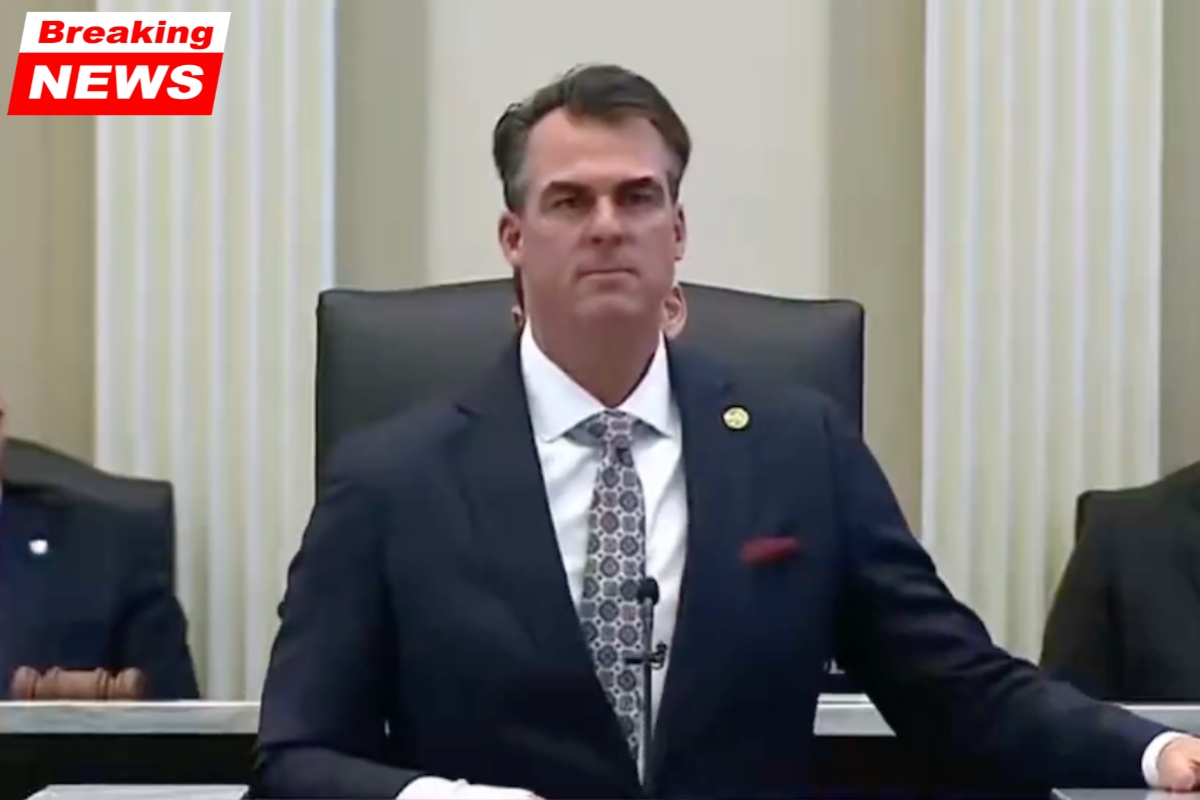
Lawmakers in Oklahoma have moved forward with a major economic package that includes a new child savings program and a $200 million sovereign wealth fund. The legislation, backed by Kevin Stitt, reflects a broader push toward long-term investment strategies and financial planning at the state level.
The measures passed through the Oklahoma Senate on April 17, 2026, after heated debate, highlighting clear divisions over government spending and the role of state-managed investment programs.
What Are “Trump Accounts”?
One of the key components of the package is the creation of the Oklahoma Trump Account Investment Fund. The program is designed to provide financial support to children through state-managed savings accounts.
Under the plan, eligible children will receive a one-time contribution of $250 into their accounts, managed by the state treasurer’s office. The program is expected to launch on July 4, 2026, aligning with the 250th anniversary of the United States.
Supporters say the broader framework could include federal participation, with children born between 2025 and 2028 potentially receiving $1,000 deposits.
Trump Accounts Overview
| Feature | Details |
|---|---|
| Program Name | Oklahoma Trump Account Investment Fund |
| State Contribution | $250 per eligible child |
| Potential Federal Contribution | $1,000 |
| Launch Date | July 4, 2026 |
| Purpose | Long-term savings for children |
Proponents, including Lonnie Paxton, argue the program will help build financial stability for future generations, giving children a starting point for education, business, or other opportunities.
Criticism and Political Debate
The proposal has faced strong criticism, particularly from Democratic lawmakers.
Julia Kirt raised concerns about uncertainty around federal involvement and questioned the structure of the program. Others, including Regina Goodwin, criticized the decision to name the program after a political figure, arguing that public policy should remain neutral and focused on outcomes.
Opponents also questioned whether the funds could be better used for other state priorities, such as education or infrastructure.
Creation of a $200 Million Sovereign Wealth Fund
Alongside the child savings initiative, lawmakers approved a separate measure to establish a state-managed sovereign wealth fund.
The fund will be overseen by the Invest in Oklahoma Board, which includes:
- Gov. Kevin Stitt
- Lt. Gov. Matt Pinnell
- State Treasurer Todd Russ
- Additional legislative appointees
The board will manage investments in areas such as private equity, venture capital, and Oklahoma-based growth funds.
Sovereign Wealth Fund Details
| Aspect | Information |
|---|---|
| Initial Funding | $200 million |
| Oversight | Invest in Oklahoma Board |
| Investment Areas | Private equity, venture capital |
| Goal | Long-term financial growth |
Supporters say the fund is designed to strengthen the state’s financial future and reduce reliance on income tax revenue by generating returns from strategic investments.
Funding and Long-Term Goals
Both initiatives are included in the state’s fiscal year 2027 budget.
- $12.5 million allocated for the Trump Account program
- $200 million allocated for the sovereign wealth fund
State officials estimate that the investment fund could grow significantly over time, potentially reaching $1 billion within a decade if performance targets are met.
Broader Economic Strategy
Republican leaders have framed the package as a forward-looking economic strategy focused on:
- Building generational wealth
- Encouraging long-term savings
- Strengthening state financial stability
Critics, however, argue that the programs add complexity and introduce political branding into financial policy.
Oklahoma’s approval of the Trump Accounts program and a new sovereign wealth fund marks a significant shift in how the state approaches long-term economic planning. While supporters see these initiatives as investments in future growth and financial security, critics remain concerned about their structure and priorities.
As the state moves toward implementation in 2026, the success of these programs will depend on execution, investment performance, and public reception.






