A high-stakes military incident involving a downed U.S. fighter jet over Iran has drawn attention not only for the rescue mission that followed, but also for how Donald Trump reportedly reacted behind the scenes.
According to reports, the situation triggered intense concern inside the White House as officials worked urgently to locate and recover two missing American airmen.
The Incident: Fighter Jet Shot Down
The crisis began when an F-15 fighter jet was shot down over Iran on April 3. The aircraft’s two crew members were forced to eject.
- One pilot was quickly rescued by U.S. forces
- The second pilot remained behind enemy lines for over 24 hours
This created a time-sensitive and dangerous rescue scenario, with the risk that Iranian forces could locate the missing airman first.
Trump’s Reported Reaction
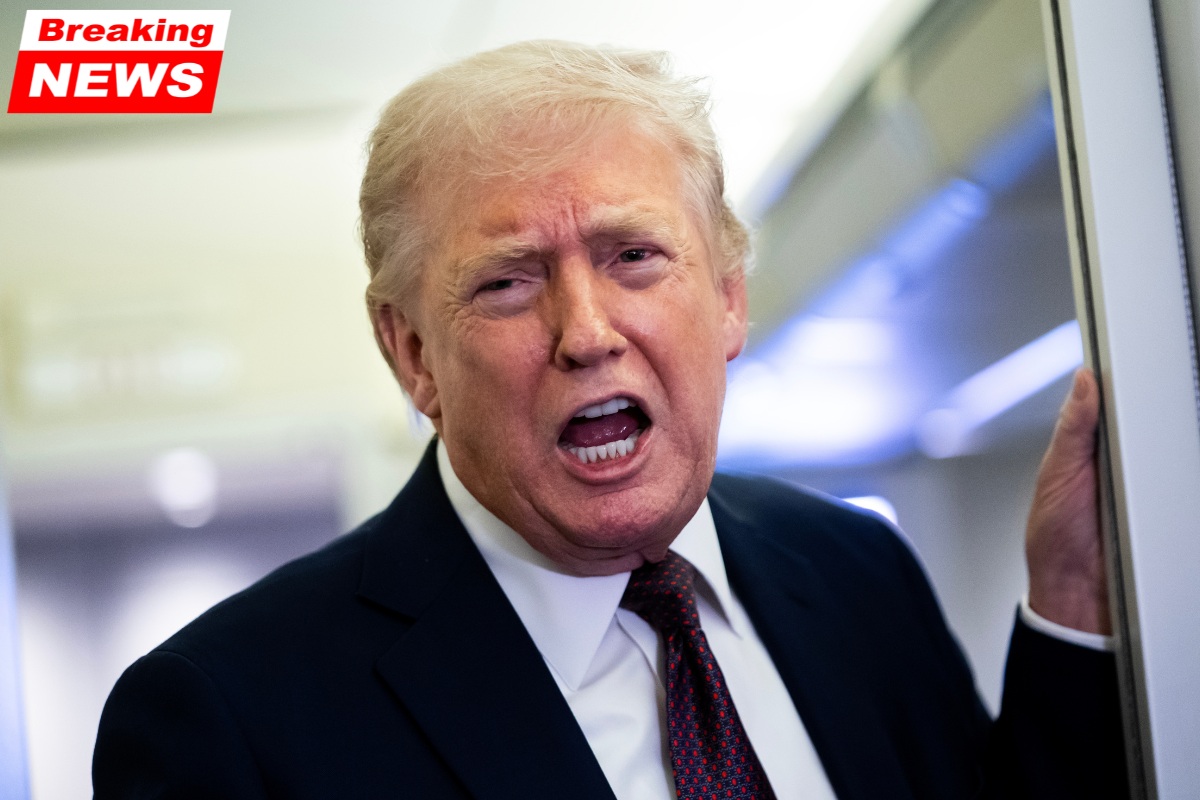
Reports suggest that Trump reacted strongly upon learning about the missing pilots.
According to accounts from administration officials:
- He expressed anger and frustration for hours after being informed
- He was reportedly kept out of real-time operational briefings
- Updates were instead relayed to him periodically by aides
Officials reportedly believed that limiting his direct involvement in minute-by-minute updates would help maintain focus during the operation.
White House Response and Defense
Despite these reports, the administration defended Trump’s leadership during the crisis.
Karoline Leavitt stated that Trump remained a steady leader and emphasized that the broader mission aligned with his goal of preventing Iran from developing nuclear capabilities.
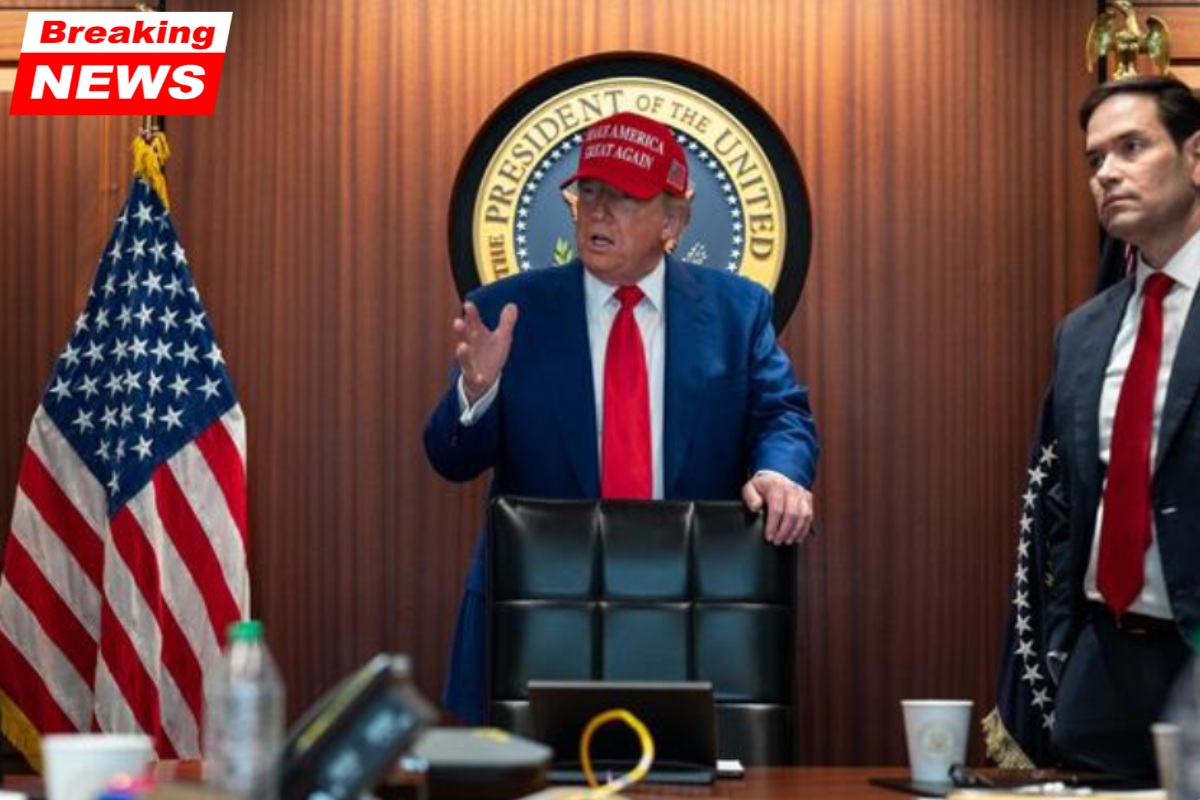
Senior officials, including JD Vance and Susie Wiles, were directly involved in Situation Room briefings throughout the operation.
Rescue Operation: A Race Against Time
The rescue mission for the second pilot was described as extremely challenging.
Rescue Operation Summary
| Event | Details |
|---|---|
| Jet Downed | April 3 |
| First Pilot | Rescued quickly |
| Second Pilot | Missing over 24 hours |
| Final Rescue | Evening of April 4 |
| Key Support | CIA intelligence |
The Central Intelligence Agency played a critical role by locating the missing pilot. Officials described the effort as finding a “needle in a haystack,” with the airman reportedly hidden in a remote mountainous area.
The CIA also reportedly used deception tactics, spreading false information to mislead potential adversaries about the pilot’s status.
Escalating Tensions and Public Statements
Following the rescue, Trump made a series of strong public statements.
He praised the rescued pilot’s bravery but also issued aggressive warnings toward Iran, including threats related to strategic waterways.
Some of his remarks, including the use of religious language, drew attention and raised questions about his communication strategy.
According to reports, Trump later explained that his messaging was intentionally unconventional, aimed at appearing unpredictable to influence how Iranian leaders might respond.
Global and Political Reactions
Trump’s statements reportedly caused concern among lawmakers and international observers.
Some officials:
- Reached out to the White House seeking clarification
- Questioned the tone and content of the president’s remarks
- Expressed concern about escalating tensions
At the same time, the successful rescue of the second pilot was widely seen as a major achievement for U.S. military and intelligence agencies.
Key Takeaways from the Crisis
| Aspect | Insight |
|---|---|
| Military Response | Rapid and coordinated rescue mission |
| Intelligence Role | Critical involvement by CIA |
| Leadership Style | Mixed reports on decision-making approach |
| Global Impact | Heightened tensions with Iran |
The downing of a U.S. fighter jet over Iran and the subsequent rescue of its pilots highlight both the risks of military operations and the complexity of leadership during crises.
While the successful recovery of both airmen demonstrates effective coordination among U.S. agencies, reports about internal decision-making and public messaging have added another layer of scrutiny.
The episode underscores how high-pressure situations can test not only military capabilities but also communication strategies and leadership dynamics on the global stage.