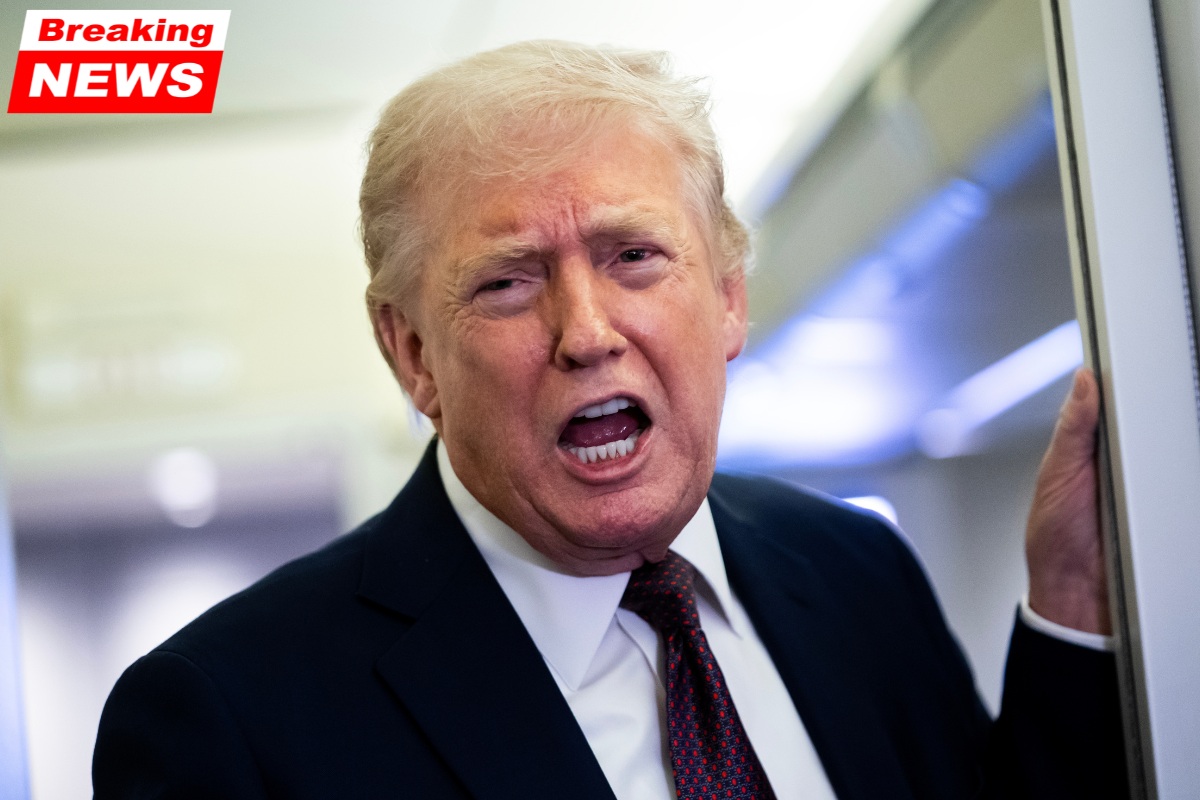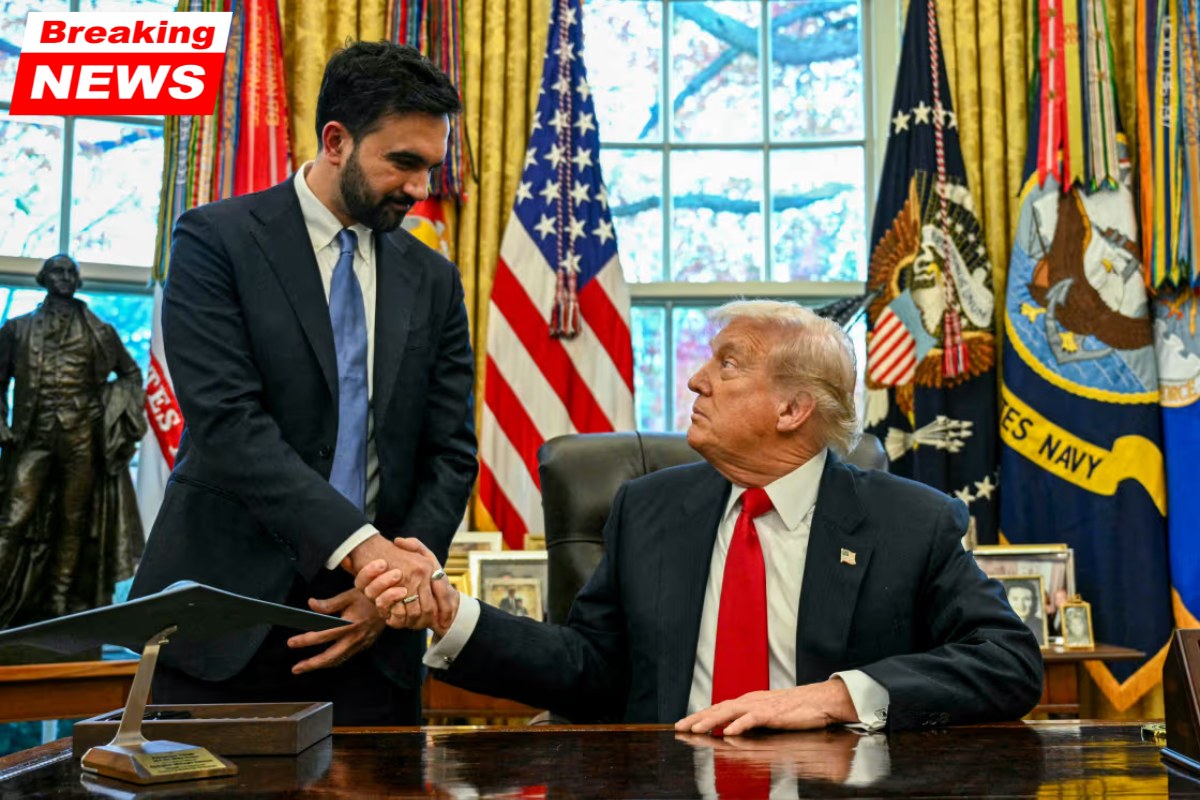
New York City’s political landscape has taken an interesting turn as Zohran Mamdani describes his working relationship with Donald Trump as “honest, direct and productive,” despite sharp public disagreements over tax policy.
In a recent interview marking his first 100 days in office, Mamdani emphasized the practical need for cooperation between city leadership and the federal government. He noted that New York City depends heavily on federal support, making a functional relationship with the president essential.
According to Mamdani, their conversations go beyond formalities. He claimed they often discuss detailed local issues, including zoning laws in Manhattan. This level of engagement, he suggested, reflects their shared connection to New York City.
Policy Clash: The Proposed ‘Pied-à-Terre’ Tax
At the center of recent tensions is Mamdani’s proposal to introduce a tax on high-value secondary residences.
The plan, backed by Kathy Hochul, targets properties worth over $5 million whose owners do not primarily live in them. The mayor argues this policy could generate around $500 million in revenue.
Key Details of the Proposed Tax
| Aspect | Details |
|---|---|
| Tax Type | Pied-à-terre (non-primary residence tax) |
| Target Properties | Homes worth over $5 million |
| Expected Revenue | $500 million |
| Purpose | Fund childcare and public services |
Mamdani framed the policy as a continuation of his campaign promise to tax the wealthy in order to fund social programs. He described it as a long-overdue measure that previous administrations failed to pass.
Trump’s Strong Criticism
Despite their reportedly cooperative relationship, Trump publicly criticized the proposal in strong terms. In a social media post, he argued that such tax policies could harm New York City’s economy and drive residents away.
He warned that increasing taxes on wealthy individuals could worsen economic conditions and reduce investment in the city.
Mamdani responded calmly, maintaining that both leaders ultimately want New York to succeed, even if they disagree on how to achieve that goal.
Major Policy Priorities of the Mamdani Administration
Beyond taxation, Mamdani has been pushing several ambitious initiatives aimed at addressing cost-of-living challenges in New York City.
1. Expanding Free Child Care
One of the administration’s flagship programs is universal child care.
- A $1.2 billion agreement with Governor Hochul
- Free child care already expanded to 2- and 3-year-olds
- Long-term goal: coverage for all 2-year-olds citywide
Mamdani described this as a foundational investment in families and working parents.
2. City-Run Grocery Stores
The mayor has also introduced a plan to open government-run grocery stores, starting in East Harlem.
These stores aim to:
- Offer lower prices on essential items
- Stabilize costs for everyday goods like bread and eggs
- Expand to all five boroughs
The idea is to directly address rising food prices, which Mamdani says are hitting New Yorkers harder than most Americans.
What City-Run Grocery Stores Aim to Fix
| Problem | Proposed Solution |
|---|---|
| Rising food prices | Subsidized essential goods |
| Limited affordability | Fixed-price baskets of staples |
| Uneven access | Stores in all boroughs |
3. Free Public Bus Initiative
Another key proposal is making public buses free across the city.
Currently:
- One bus route is already free
- Expansion depends on resolving a $5.4 billion budget deficit
- Ongoing negotiations with state authorities
While progress has been slower here, Mamdani remains confident the program will expand.
Economic Pressures and Global Factors
Mamdani also linked rising costs in New York to global issues, including geopolitical tensions such as the conflict involving Iran. He argued that these factors have worsened an already existing affordability crisis.
His position is that local policies must adapt to both domestic and global economic pressures.
When Cooperation Pays Off
Despite political differences, Mamdani pointed to an example where his relationship with Trump led to a concrete outcome.
He shared that after raising concerns about a detained Columbia University student, the president intervened and facilitated her release shortly after their conversation.
This incident, Mamdani argued, shows the value of maintaining open communication, even across political divides.
Focus on Results Over Politics
Mamdani made it clear that his priority is delivering tangible improvements for New Yorkers rather than engaging in broader political debates.
He emphasized:
- Infrastructure fixes
- Cost-of-living relief
- Delivering on campaign promises
He also expressed optimism about achieving his goals, even if it takes multiple terms in office.
The relationship between Zohran Mamdani and Donald Trump reflects a mix of cooperation and conflict. While they clash on key issues like taxation, both appear willing to work together when necessary.
Mamdani’s first 100 days highlight a clear agenda: reduce living costs, expand public services, and shift more financial responsibility onto the wealthy. Whether these policies succeed will depend on funding, political support, and economic conditions.
For now, the situation shows that even in a polarized environment, pragmatic collaboration can still produce results.