A new legal dispute in Washington, D.C. highlights the complex aftermath of pardons related to the January 6 cases. Prosecutors are now working to resolve an unexpected issue: how to refund money paid by defendants whose convictions were later overturned.
Background: Conviction and Pardon
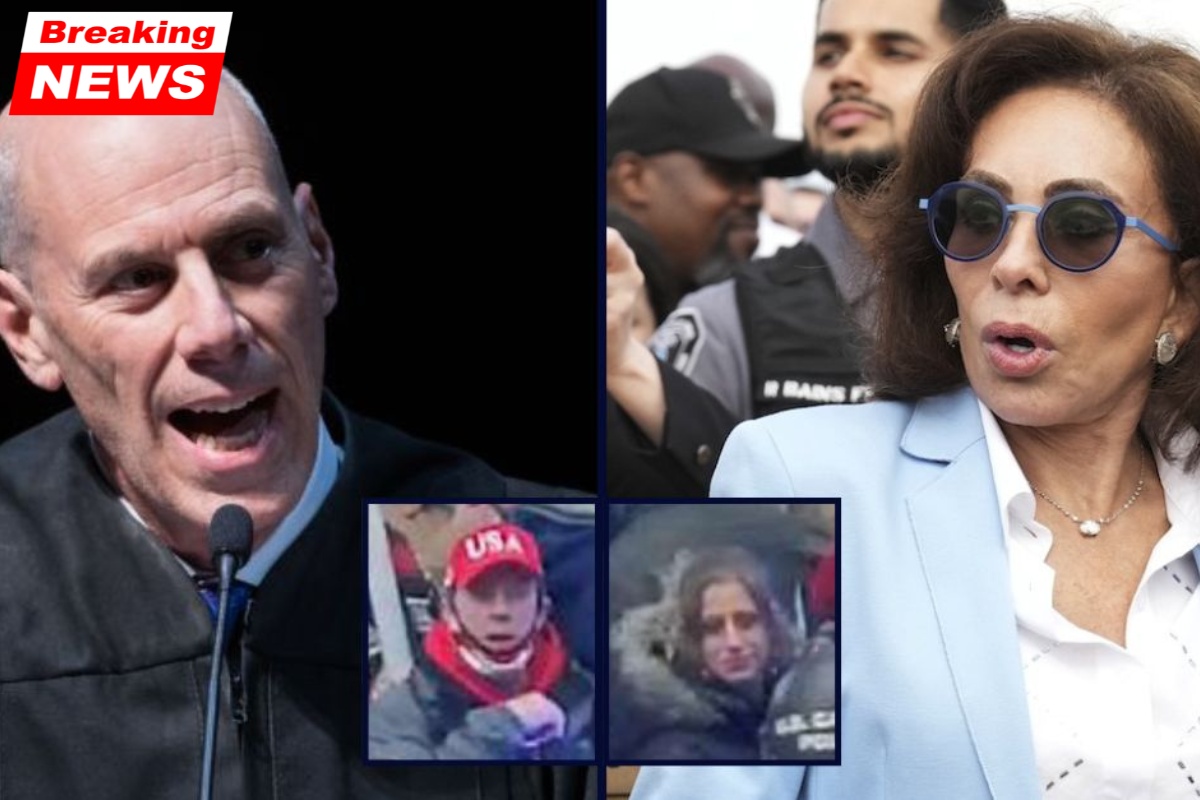
The case centers on Cynthia Ballenger and Christopher Price, a couple convicted in 2023 for their involvement in the January 6 Capitol riot.
They were found guilty on four counts by James Boasberg, a federal judge in Washington, D.C. As part of their sentence, each was required to pay:
- $70 special assessment
- $500 restitution
However, their legal situation changed dramatically in early 2025 when Donald Trump issued a blanket pardon for certain January 6 defendants while their appeals were still pending.
Request for Reimbursement
Following the pardon and the vacating of their convictions, Ballenger and Price requested a refund of the $570 each had paid.
The US Department of Justice supported their request, arguing:
- The convictions were invalidated
- The payments were tied directly to those convictions
- Therefore, the government had no legal basis to keep the funds
Initially, this seemed straightforward. But the court disagreed.
Judge’s Reversal and Final Order
Judge Boasberg first denied the refund request in June 2025. He compared it to similar cases where reimbursement had been rejected.
However, after the defendants filed a detailed motion citing legal precedent, the judge reversed course.
By December 2025, he ordered:
“The United States shall refund Defendants Ballenger and Price $570 each.”
The Real Problem: Where Does the Money Come From?
Despite the court order, officials ran into a practical issue: no clear mechanism exists to process the refund.
According to Jeanine Pirro, who filed the latest motion:
- The court clerk’s office says the Executive Branch must pay
- The DOJ says it cannot directly return funds received through the court system
This creates a bureaucratic deadlock.
Breaking Down the Money Trail
The complication arises because the original payments were split across different government entities:
| Payment Type | Amount | Destination |
|---|---|---|
| Special assessment | $70 | Crime Victims Fund |
| Restitution | $500 | Architect of the Capitol |
| Total per defendant | $570 | Multiple agencies |
To issue refunds:
- The Crime Victims Fund must return the $70
- The Architect of the Capitol must return the $500
- The court clerk must then process the refund back to defendants
DOJ’s Latest Request
Pirro is now asking Judge Boasberg to issue a new order that would:
- Direct the District Court Clerk to reclaim the funds
- Require coordination with both agencies
- Allow the clerk to return the money to the defendants
She argues this is the only viable path, stating:
“The Executive Branch has no other mechanism by which to effectuate the refund.”
Why This Case Matters
This situation highlights a broader issue in the legal system:
- Pardons and overturned convictions can create financial complications
- Government systems are not always designed to reverse payments easily
- Multiple branches of government may need to coordinate
It also reflects the continuing legal ripple effects of January 6 cases, even years later.
Key Takeaways
| Issue | Insight |
|---|---|
| Case | Jan. 6 defendants Ballenger & Price |
| Refund Amount | $570 each |
| Legal Status | Convictions vacated after pardon |
| Court Decision | Refund approved |
| Problem | No clear payment mechanism |
| DOJ Action | Seeking court order to resolve issue |
What began as a routine refund request has turned into a complex legal and bureaucratic puzzle. Even after a judge ordered repayment, the question of how to return the money remains unresolved.
The case shows that in the U.S. legal system, reversing a conviction is not always the end of the process. Administrative systems, funding structures, and inter-agency responsibilities can create unexpected obstacles.
As the court considers the DOJ’s latest request, the outcome could set an important precedent for how similar cases are handled in the future.