
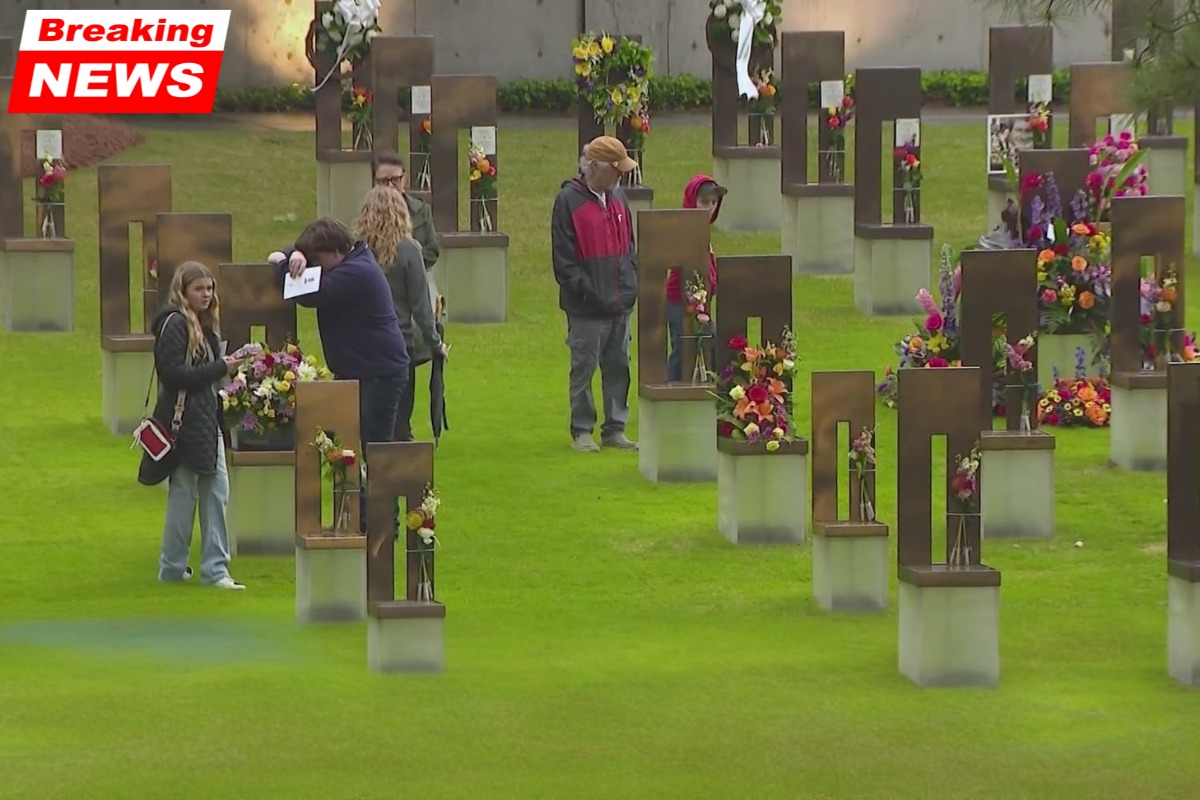
As the anniversary of the Oklahoma City Bombing approaches, memories of that tragic day remain vivid for those who lived through it. For Dr. David Teague, the events of April 19, 1995, are still as clear as if they happened yesterday. More than three decades later, he continues to reflect on the lives lost and the moments that defined one of the darkest days in American history.
The Morning Everything Changed
On what began as an ordinary Wednesday morning in Oklahoma City, Dr. Teague and his colleagues were going about their usual routines. Around 9 a.m., a sudden explosion shook the area, leaving hospital staff unsure of what had just occurred. Within moments, reports began to surface that something catastrophic had happened downtown.
At the time, no one fully understood the scale of the disaster. Medical teams quickly shifted into emergency mode, preparing for what they expected would be a massive influx of injured patients.
Preparing for the Worst
At OU Health, staff moved rapidly to set up multiple triage areas. Emergency rooms, cafeterias, and clinic spaces were all converted into treatment zones in anticipation of large numbers of victims.
Dr. Teague recalls the intense urgency and focus that took over. Medical teams were driven by adrenaline, ready to operate and provide care to anyone who might arrive. Despite the chaos, there was a sense of organization and purpose as doctors and nurses prepared for the worst.
A Devastating Reality
As time passed, the reality of the situation became painfully clear. Instead of a large wave of survivors needing urgent care, hospitals received smaller groups of patients transported by ambulances and private vehicles. The expected surge never came.
For medical teams, this absence carried a heavy meaning. It suggested that many victims had not survived the blast. The hope that more lives could be saved slowly gave way to grief as the scale of the tragedy became undeniable.
In total, 168 people lost their lives in the bombing, making it the deadliest act of domestic terrorism in U.S. history at the time.
Balancing Duty and Grief
Dr. Teague remembers that throughout the day, there were brief moments when staff could pause and process what had happened. But those moments were short-lived. The demands of trauma care required complete focus, pushing emotions aside in order to care for the patients who did arrive.
He describes how medical professionals had to compartmentalize their feelings, knowing that there would be time later to grieve. In the moment, their responsibility was clear: treat each patient and continue moving forward.
A Lasting Impact on the Community
While the tragedy left deep scars, it also revealed the strength and resilience of the Oklahoma City community. First responders, healthcare workers, and ordinary citizens came together in extraordinary ways to support one another.
Dr. Teague believes that the lives lost that day helped shape a stronger, more united community. The response to the bombing became a defining example of what many now refer to as the “Oklahoma Standard,” a spirit of compassion, service, and resilience.
Remembering and Honoring the Victims
Today, decades later, Oklahoma City continues to honor those who were lost. The city has grown and rebuilt, but the memory of April 19, 1995, remains an important part of its identity.
Dr. Teague encourages people to visit the memorial in downtown Oklahoma City, describing it as a powerful and moving tribute. For many, it serves as a place not only to remember the victims but also to reflect on the strength that emerged from tragedy.
Key Summary Table
| Aspect | Details |
|---|---|
| Event | Oklahoma City Bombing |
| Date | April 19, 1995 |
| Location | Oklahoma City, Oklahoma |
| Lives Lost | 168 |
| Witness | Dr. David Teague |
| Organization | OU Health |
| Response | Emergency triage and trauma care |
| Outcome | Limited survivors transported |
| Legacy | Resilience and unity |
| Memorial | Oklahoma City National Memorial |
The Oklahoma City bombing remains one of the most tragic events in American history, and for those who experienced it firsthand, the memories never fade. Through the reflections of Dr. David Teague, we gain a deeper understanding of both the heartbreak and the resilience that followed. While the loss of 168 lives is a sorrow that endures, the unity and strength shown in its aftermath continue to define Oklahoma City today.






