Tensions around the Strait of Hormuz are creating confusion across global markets, especially after both Iran and the United States made statements that seem positive on the surface—but don’t match the reality on the ground. While leaders claim the vital shipping route is “open,” experts say the situation is still uncertain, and global oil supply remains under pressure.
What Is Happening in the Strait of Hormuz Right Now
The Strait of Hormuz is one of the most important oil routes in the world. Around 20% of global oil and gas supply passes through this narrow stretch between the Persian Gulf and the open ocean.
On April 17, both Iran and the White House said the strait is “completely open.” But in reality, things are not that simple.
Experts say:
- Ships are still being controlled or redirected by Iran
- There are concerns about sea mines in the area
- Insurance and safety issues are still unresolved
So even though the route is technically “open,” it is not fully normal or safe for regular traffic.
Why Oil Prices Dropped Suddenly
After the announcement, global oil prices fell below $90 per barrel for the first time in weeks. This shows how sensitive markets are to political news.
However, analysts believe the market reaction was too quick and overly optimistic.
The reason is simple:
- Traders expected supply to return to normal quickly
- But actual oil flow has not fully resumed
- Uncertainty still exists around safety and access
In short, prices dropped based on hope, not reality.
What Donald Trump Said About the Situation
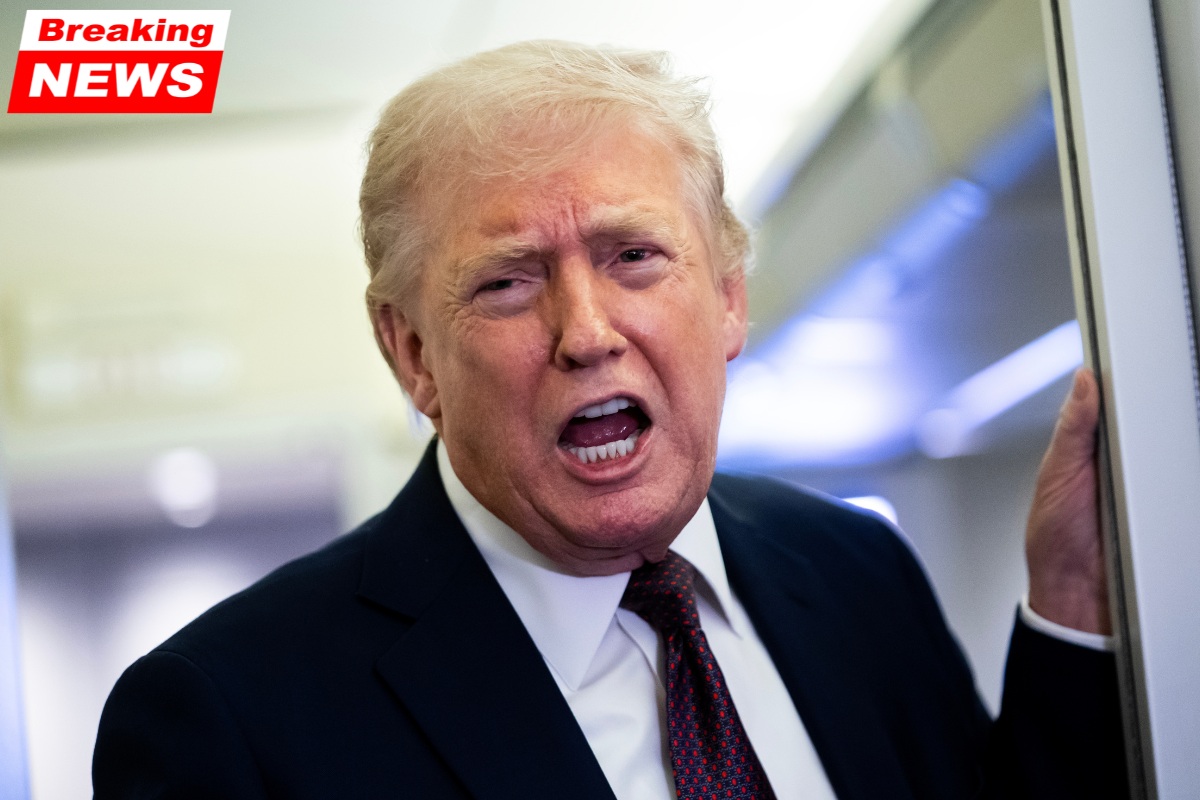
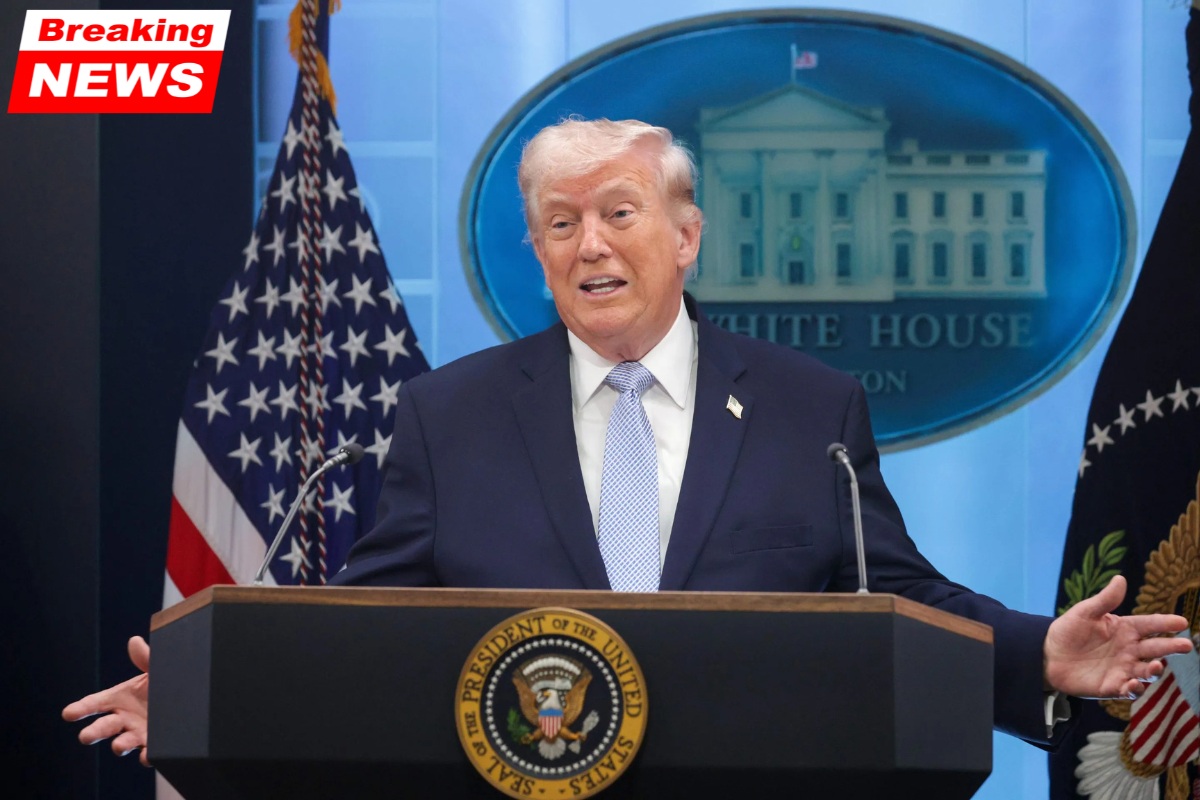
President Donald Trump confirmed that while the strait may be open, the U.S. blockade on Iranian ports is still active.
This means:
- Iran cannot freely export oil yet
- Trade restrictions are still in place
- Full recovery of supply is delayed
Trump also mentioned that a peace deal could happen “very quickly,” but only once everything is fully agreed upon. Until then, restrictions remain.
Why Ships Are Still Not Moving Freely
Even after the announcement, shipping companies are not rushing back into the strait.
Major concerns include:
- Lack of clear instructions from Iranian authorities
- Risk of hidden sea mines
- High insurance costs for ships
- Safety of crew and cargo
For example, German shipping company Hapag-Lloyd still has multiple vessels waiting in the Persian Gulf. They are not moving until full safety is confirmed.
This cautious approach shows that real-world decisions depend on ground conditions, not just political statements.
The Bigger Impact on Global Supply
The partial closure of the Strait of Hormuz has already caused a major global supply shock.
Key effects include:
- Nearly 20% of global oil and gas flow disrupted
- Shortage in fertilizers and petrochemicals
- Increased pressure on global energy prices
This situation has been ongoing for several weeks, making it one of the biggest supply disruptions in recent history.
Even a few days of delay in reopening can keep markets unstable.
Is a Peace Deal Close?
There are some positive signs. A recent ceasefire involving Israel and Lebanon may have helped reduce tensions in the region.
Experts believe:
- Talks between the U.S. and Iran are moving forward
- A temporary deal could happen soon
- But a full agreement will take more time
Iran is also unlikely to give up control of the strait quickly, as it gives them strong negotiating power. The situation in the Strait of Hormuz shows how complex global politics and energy markets can be.
While leaders like Donald Trump and Iranian officials are sending positive signals, the ground reality tells a different story. Ships are still waiting, risks are still high, and global supply has not fully recovered. Oil prices may have dropped for now, but uncertainty remains.
Until a clear and complete agreement is reached, the strait will continue to be a key pressure point in global trade and energy supply. This means markets, businesses, and governments will all need to stay alert in the coming days.