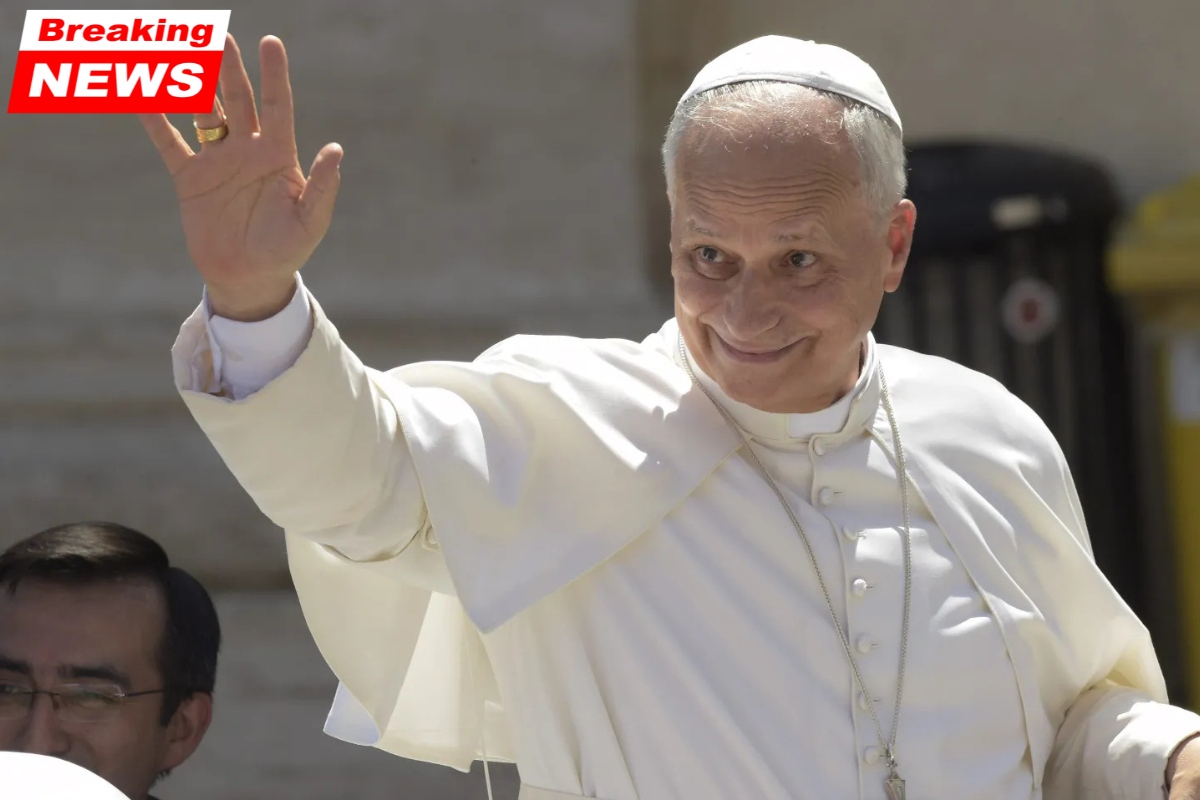
Pope Leo XIV has raised a strong and uncomfortable question for the modern world: how much money is too much for one person, especially when millions of workers are still struggling to manage daily life?
His comments on the growing gap between CEOs and workers have sparked fresh debate around wealth inequality, executive salaries, and whether the richest people are doing enough to give back. By pointing to Elon Musk’s possible path to becoming the world’s first trillionaire, the Pope turned a moral concern into a global talking point.
Pope Leo XIV Speaks on CEO Pay and Worker Inequality
In one of his first major formal interviews after becoming pontiff, Pope Leo XIV openly criticised the massive difference between what top executives earn and what ordinary workers take home. He said that decades ago, CEOs usually earned around four to six times more than workers. But now, that gap has grown to around 600 times in some cases.
For the Pope, this is not just about numbers. It is about values. He questioned what it means for society when extreme wealth becomes the main sign of success. His message was clear: if money becomes the only thing people admire or respect, society may be heading in a dangerous direction.
His comments stood out even more because he directly mentioned Elon Musk. Referring to reports about Musk potentially becoming the first trillionaire, Pope Leo asked what such a milestone really means for the world. His concern was not only about one person’s wealth, but about what it says about modern economic systems.
Why Elon Musk Became the Main Example
The Pope’s statement became even more powerful because of the timing. Around the same period, Tesla’s board approved a huge pay package for Musk, reportedly worth up to $1 trillion if he manages to grow the company sharply over the next ten years.
That figure shocked many people. Supporters may argue that such rewards are tied to performance and innovation. But critics believe no executive should receive such a massive package when workers across industries are facing rising costs, uncertain jobs, and slow wage growth.
Musk became the symbol of this debate because he represents both extraordinary business success and the extreme concentration of wealth. For many people, the issue is not whether he is talented or hardworking. The real question is whether any person should be rewarded on such a scale while basic financial security remains out of reach for so many others.
What the Numbers Say About Executive Compensation
The concern raised by Pope Leo is backed by wider data on CEO pay. Reports show that in many large companies, top executives are earning millions every year, while the average employee earns a tiny fraction of that amount.
A recent example highlights this clearly. Among 100 S&P 500 companies with the lowest median worker pay, average CEO compensation reached $17.2 million in 2024. In comparison, the average median worker pay stood at just $35,570. That creates a pay ratio of 632 to 1.
Here is a simple overview:
| Category | Amount |
|---|---|
| Average CEO compensation | $17.2 million |
| Average median worker pay | $35,570 |
| CEO-to-worker pay ratio | 632:1 |
This kind of gap is one reason why discussions around fairness, labour value, and corporate responsibility are becoming stronger. Workers often feel they are doing essential work without receiving fair rewards, while top executives continue to gain massive financial benefits.
Billionaire Wealth Is Rising Faster Than Ever
The Pope’s comments also connect with a larger global trend. Billionaire wealth has been growing rapidly, even as many households continue to struggle with inflation, weak wage growth, and tighter job opportunities.
According to the figures mentioned in the report, billionaire wealth grew three times faster in 2024 than it did in 2023. Over the last ten years, the top 1% increased their wealth by nearly $34 trillion. That number is hard to imagine, but it shows how wealth is becoming more concentrated in fewer hands.
This sharp rise in billionaire fortunes has created frustration across the world. Many people are asking why economic growth is not being shared more fairly. If businesses are doing well, workers expect better salaries, stronger job security, and improved living conditions. But in many cases, that has not happened.
The Giving Pledge Under Fresh Scrutiny
Another major part of this story is philanthropy. The Giving Pledge was launched in 2010 by Warren Buffett, Bill Gates, and Melinda French Gates. It was designed as a public promise by billionaires to give away at least half of their wealth during their lifetimes or through their wills.
At first, this looked like a bold and hopeful idea. It suggested that the ultrarich would use their fortunes to solve social problems and support public good. But a recent report has raised doubts about how much progress has actually been made.
Out of 256 signers, only nine have reportedly fully followed through so far. Even more importantly, a large share of the money donated has gone into private foundations rather than directly to public causes. Of the estimated $206 billion donated by the original 2010 signers, around 80% or $164 billion reportedly went into private foundations.
This has led to criticism that some charitable promises may be more complicated in practice than they appear in public. While the Giving Pledge has defended its members and said the criticism gives a misleading picture, it also accepted that important questions remain about how to encourage greater giving.
Why This Debate Matters to Ordinary People
This issue matters because it is not only about celebrities, billionaires, or boardrooms. It affects everyday life. When wealth is concentrated at the top, many social problems become harder to solve. Housing becomes less affordable, quality healthcare remains out of reach for many, and education gaps continue to grow.
At the same time, workers often feel they are being asked to do more with less. They face rising expenses, unstable employment, and pressure to maintain productivity without seeing similar rewards. This creates anger, mistrust, and a sense that the system is unfair.
Pope Leo XIV’s comments have struck a chord because they give moral weight to what many people already feel. His message is simple but powerful: a healthy society cannot be built only around wealth at the top. It must also protect dignity, fairness, and opportunity for those who do the everyday work that keeps the world running.