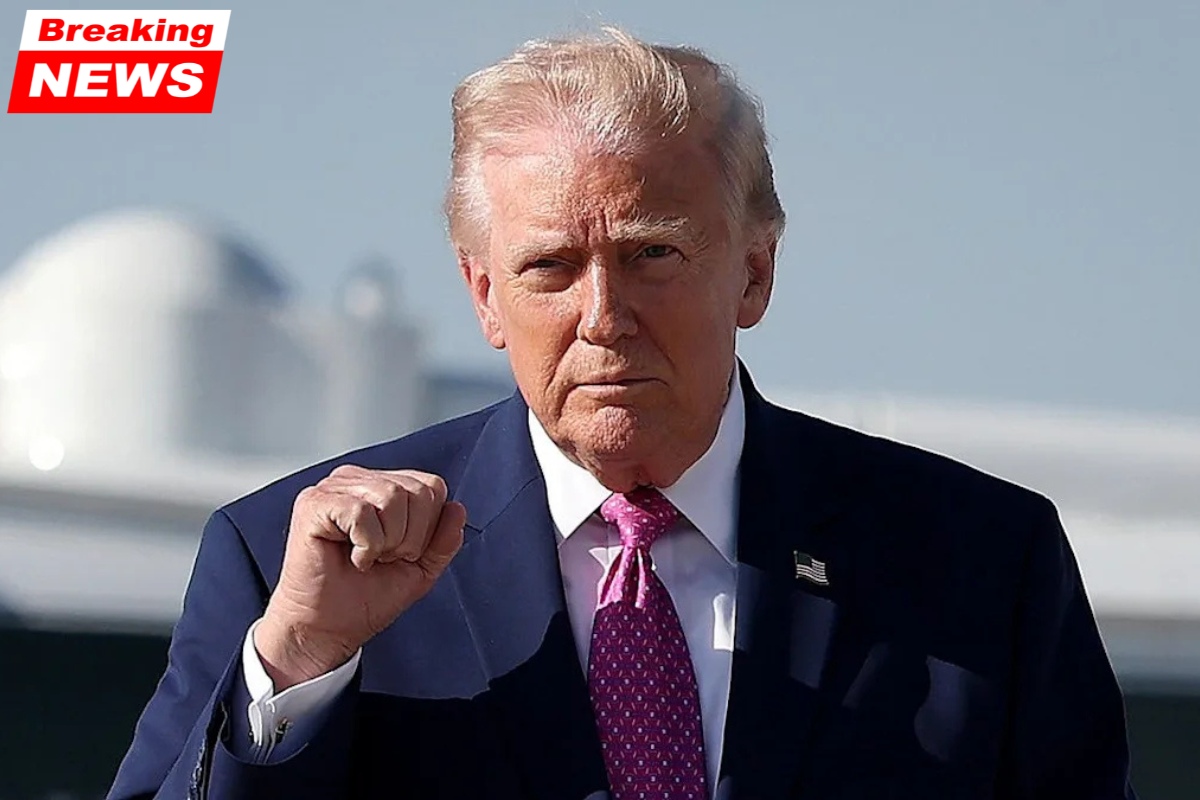
A strong statement from the White House has highlighted the seriousness of the ongoing US-Iran conflict, as officials describe the situation as a major turning point in global politics. Comments from a senior aide suggest that the strategy being used by the United States is not just about one conflict, but about reshaping international power dynamics.
Trump’s Direct Role in Iran Talks
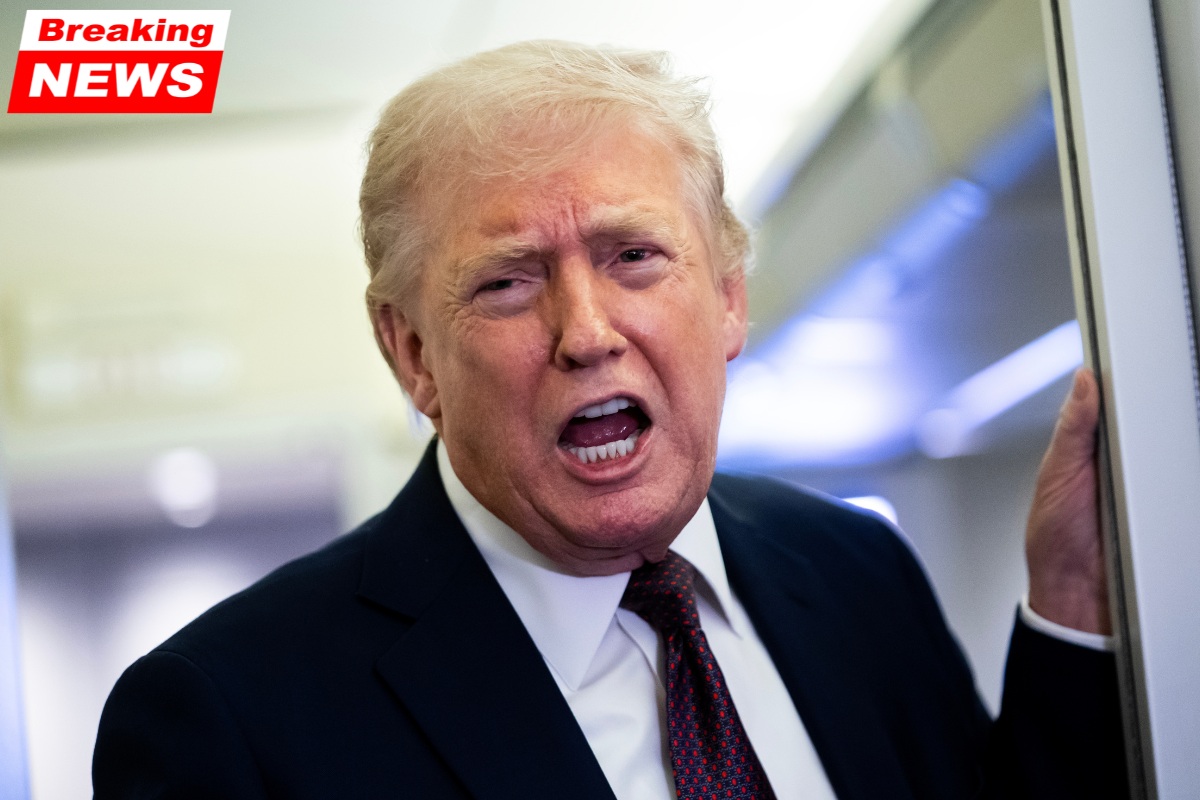
White House Deputy Chief of Staff Stephen Miller said that Donald Trump is personally involved in negotiations with Iran. According to him, the president is actively guiding the process as commander-in-chief along with a dedicated negotiation team.
Miller explained that Trump’s goal is to achieve peace and stability, but with firm conditions. One of the key points is that Iran must not develop nuclear weapons, which the administration sees as a major global threat.
Naval Blockade and Global Impact
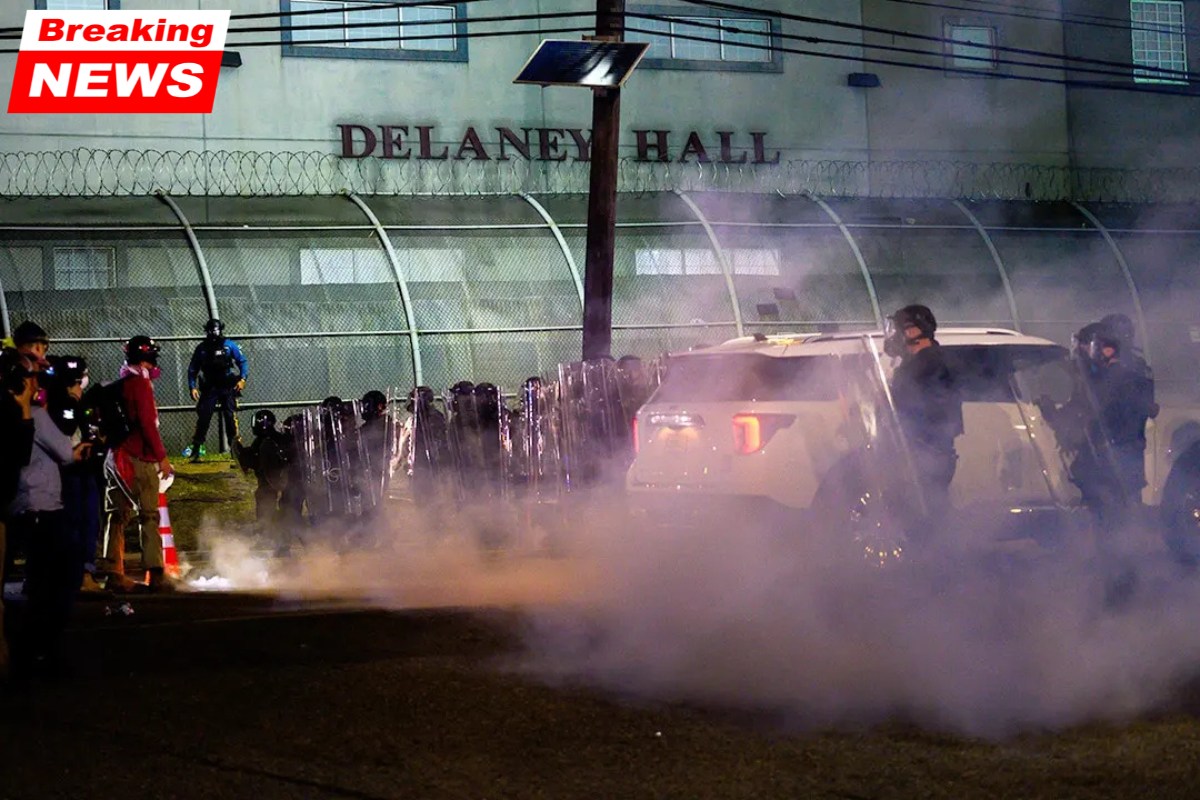
The US has imposed a naval blockade targeting Iranian ports, a move officials say is putting heavy economic pressure on Iran. Miller described this strategy as something that could “reset the global order,” showing how significant the administration believes this action is.
Reports indicate that the blockade is already disrupting Iran’s economy and affecting global energy markets. The operation came after peace talks failed, and the US decided to increase pressure instead of continuing negotiations.
This blockade is being enforced by US naval forces and aims to limit Iran’s ability to export oil and conduct trade, which is a major source of its income.
Military Power as a Last Option
Miller also made it clear that while the US has strong military capabilities, including the ability to target Iran’s energy infrastructure, this is not the preferred option.
He said that military action remains a last resort, with the administration hoping Iran will agree to a deal instead. However, he also warned that the US has the power to act if necessary.
Recent reports show that US forces are prepared for further action if talks fail, with military assets already positioned in the region.
Pressure After Failed Negotiations
According to Miller, the blockade was introduced after Iran rejected earlier proposals. He said that Trump gave Iran a chance to negotiate, but when the terms were not accepted, the US responded by increasing pressure through economic and military means.
The administration believes this approach will force Iran back to the negotiating table with more willingness to compromise.
Lack of NATO Support
Miller also expressed disappointment that NATO allies have not fully supported the US strategy. He argued that stopping Iran from developing nuclear weapons is not just an American concern but a global one, especially for European countries that could be within range of long-distance missiles.
Despite this, the US appears ready to continue its approach even without strong backing from allies.
Trump’s Strategy Going Forward
The administration’s position remains firm. Miller said that Donald Trump wants a peaceful resolution but is prepared to use all available options if needed.
The focus is on forcing Iran to make a deal that ensures long-term security. Until then, measures like the blockade and economic pressure are expected to continue.
The current US strategy toward Iran reflects a mix of diplomacy and pressure. With Stephen Miller describing the situation as a shift in the global order, it is clear that the stakes are high.
While the administration says it prefers a peaceful deal, the ongoing blockade and military readiness show that it is prepared for multiple outcomes. How Iran responds in the coming weeks will likely shape not only regional stability but also global political and economic conditions.