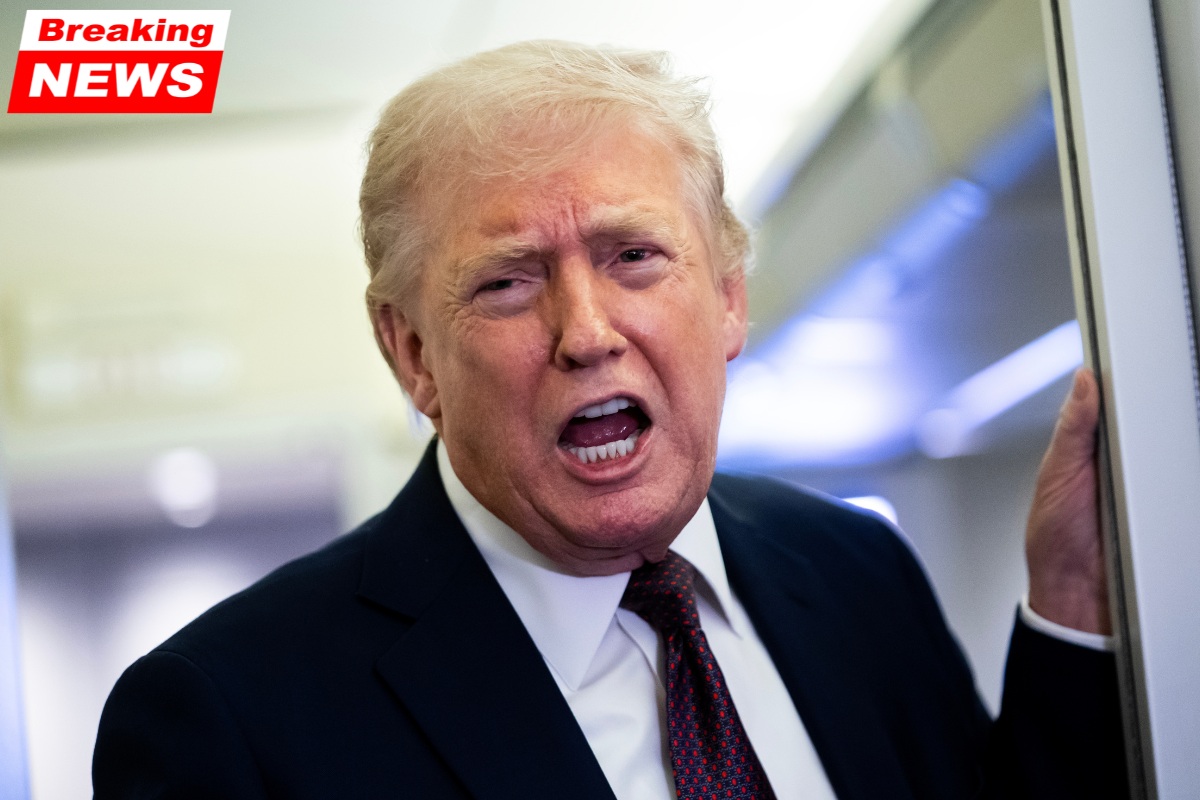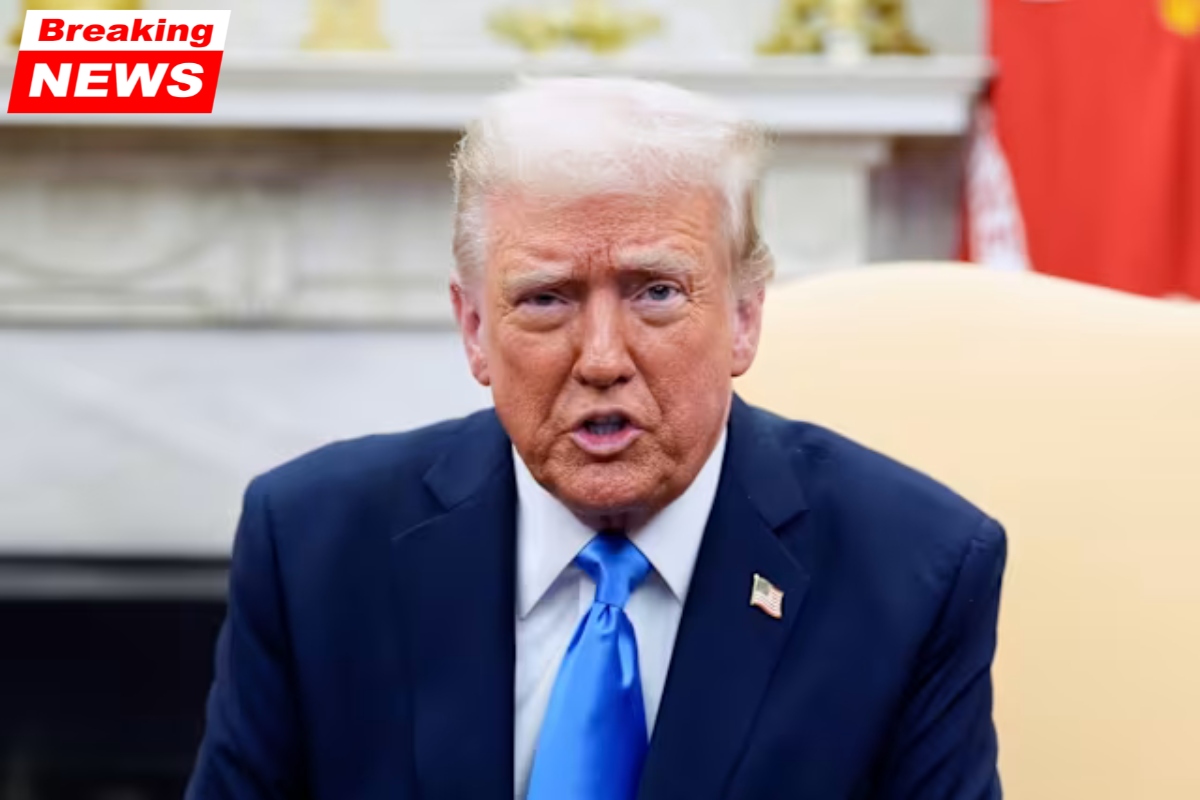
A new lawsuit in the United States has raised serious questions about fairness, race, and the limits of presidential power. A former federal official has accused the administration of Donald Trump of targeting Black officials for removal from key government roles, sparking a wider debate about discrimination in federal appointments.
What the Lawsuit Claims
The case has been filed by Alvin Brown, who previously served on the National Transportation Safety Board. In his complaint, Brown alleges that the administration removed a large number of Black appointees from independent agencies.
According to the lawsuit, around three-quarters of Black officials in such roles were dismissed. Brown’s legal team argues that this pattern cannot be explained by political reasons alone and suggests that racial bias may have played a role.
The lawsuit is based on the Fifth Amendment, which guarantees equal protection under the law. It claims that even if the government has the authority to remove officials, it cannot do so in a way that discriminates based on race.
Debate Over Presidential Power
This case adds to an ongoing legal discussion about how much power a president has over independent agencies. These agencies are designed to function with some level of independence from direct political control.
While presidents can make changes to leadership, the question is whether those decisions are being made fairly. Brown’s lawyers argue that authority should not be used in a way that leads to unequal treatment.
Government’s Position
So far, the administration has not directly responded to this specific lawsuit. However, it has previously defended its decisions by saying it is focused on creating a system based on merit rather than diversity policies.
In a recent executive order, the White House said its goal is to ensure equal treatment for all Americans and to remove what it describes as unfair diversity, equity, and inclusion (DEI) practices.
Concerns Beyond Civil Agencies
The issue is not limited to civilian roles. Reports have also raised concerns about decisions within the military. Pete Hegseth reportedly stepped in to pause promotions of several senior officers, including Black men and women who were selected for higher ranks.
Such interventions are unusual because military promotions are typically decided by independent boards. This has led to concerns about whether the process is being influenced in ways that could affect fairness.
Reactions from Lawmakers and Experts
Some lawmakers have spoken out about these developments. Jack Reed stated that if promotions or removals are based on race or gender, it would go against the principles of a merit-based system.
Military experts have also warned that such actions could reduce trust within the armed forces. Confidence in fair processes is important for maintaining discipline and morale, especially at senior levels.
Broader Impact of the Case
The lawsuit could have wide-reaching effects if it moves forward. It may lead to deeper investigations into how appointments and removals are handled across the federal government.
It also raises larger questions about how to balance political authority with fairness and equal opportunity. The outcome could influence future policies and set legal standards for how such decisions are made.
This case highlights a sensitive and important issue in governance—ensuring that power is used fairly and without discrimination. The allegations made by Alvin Brown bring attention to concerns about equality and transparency in government decisions. As the legal process continues, the case may shape how future administrations handle appointments, removals, and the principles of equal treatment under the law.