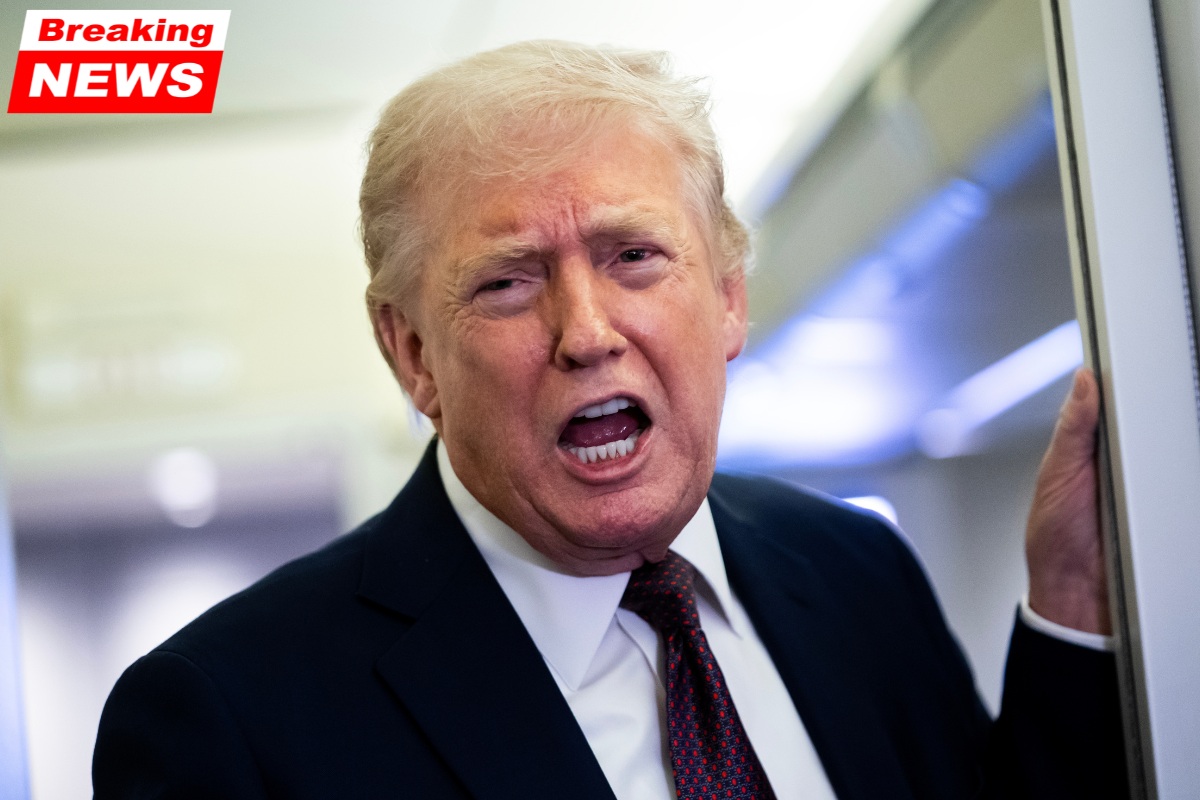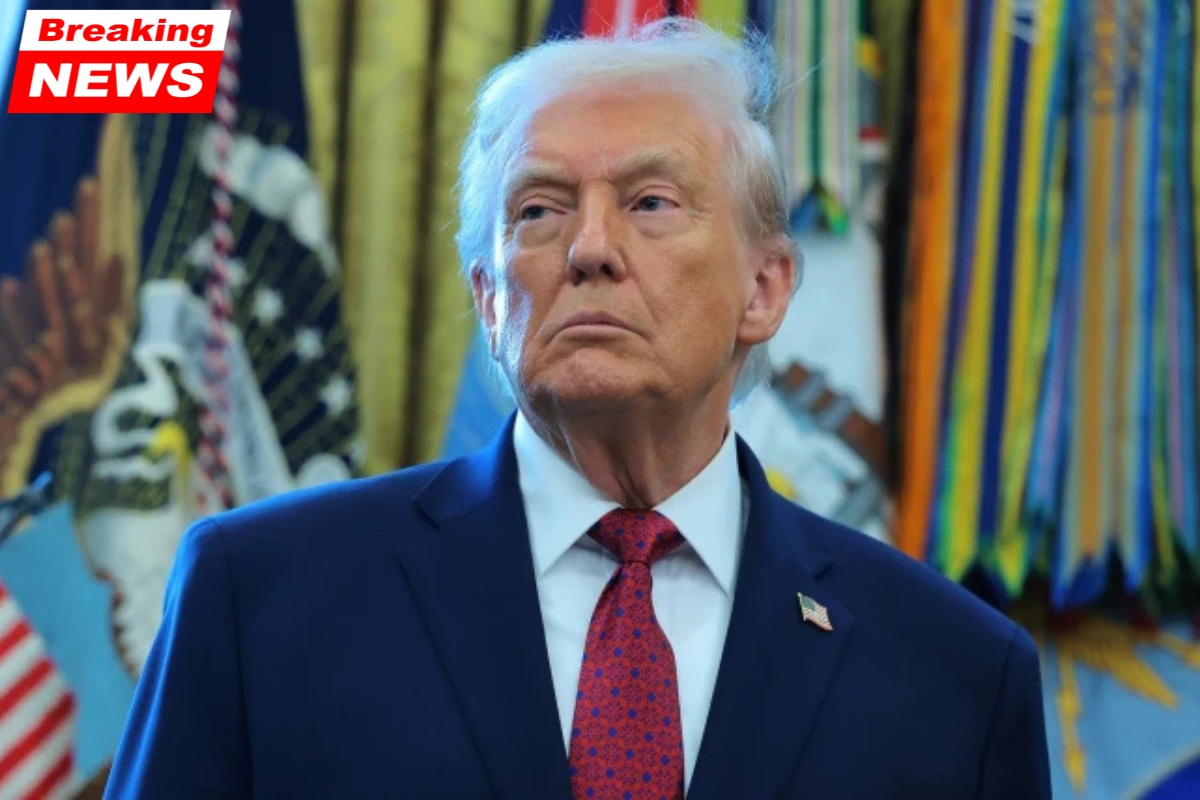
The US political scene saw a sharp divide as lawmakers debated President Donald Trump’s military actions in Iran. In a closely contested vote, the Republican-controlled House decided not to stop the ongoing conflict, showing strong support for the president despite growing public concern.
What Happened in the House Vote
The House of Representatives voted 213-214 against a resolution that would have forced Donald Trump to end military involvement in Iran. The result was extremely close and mostly followed party lines, with Republicans largely backing the president’s decision.
Only one Republican, Thomas Massie from Kentucky, supported the resolution, while one Democrat, Jared Golden from Maine, opposed it. Another Republican, Warren Davidson from Ohio, chose to vote “present,” and three Republicans did not vote at all. This shows that while there is strong party loyalty, a few lawmakers are willing to break ranks.
What the Resolution Proposed
The resolution was introduced by Gregory Meeks, a Democrat from New York. It aimed to direct the president to withdraw US Armed Forces from active conflict with Iran unless Congress gave clear approval.
The proposal was based on the War Powers Resolution, a law designed to limit the president’s ability to engage in long-term military action without Congress’s permission. Meeks argued that the current military campaign lacks a clear plan and could lead to a prolonged conflict.
He warned that continuing the war without proper approval could push the US into a situation with no clear exit strategy.
Strong Political Reactions
The debate around the war has not been limited to Congress. Donald Trump has also been involved in a public disagreement with Pope Leo XIV, who criticised the war.
House Speaker Mike Johnson supported Trump and responded by saying that religious leaders can share their views but should expect political responses if they comment on such matters.
Johnson also highlighted the seriousness of the situation, calling Iran a major sponsor of terrorism and stressing the high stakes involved.
Earlier Attempts to Stop the War
This was not the first time lawmakers tried to end US involvement in Iran. On March 5, shortly after the conflict began following US-Israel strikes, the House had already rejected a similar proposal by a vote of 212-219.
That earlier vote also showed strong Republican support for continuing the military campaign.
Public Opinion and Growing Concerns
Recent polls suggest that many Americans are not in favour of the war. A CBS News survey found that around 60% of people disapprove of US military action in Iran. It also showed that 64% are unhappy with how Donald Trump is handling the situation, and 62% believe he does not have a clear plan.
These numbers indicate a gap between public opinion and decisions made by lawmakers, especially within the Republican Party.
Economic Impact of the Conflict
The war is also starting to affect everyday life, especially through rising costs. Fuel prices have gone up since the conflict began, and increases in diesel and fertiliser costs are creating concern, particularly among farmers and transport sectors.
These economic pressures could become a political issue, especially with the 2026 midterm elections approaching. Rising costs may influence how voters and even some Republican leaders view the ongoing conflict in the future.
Senate Vote Shows Similar Pattern
Just one day before the House vote, the Senate also rejected a similar resolution by a margin of 52-47. Most Republicans supported continuing the war without restrictions, while nearly all Democrats voted to end it.
This shows a consistent pattern across both chambers of Congress, with Republicans largely supporting the president’s military decisions and Democrats pushing for more oversight.
The narrow House vote highlights deep political divisions in the United States over the Iran conflict. While Republicans continue to support President Trump’s military actions, many Democrats and a large portion of the public are raising concerns about the lack of a clear plan and congressional approval.
With rising economic pressure and public disapproval, the debate is far from over. Future votes could become even more important as the situation develops, especially if the conflict continues without a defined strategy or resolution.