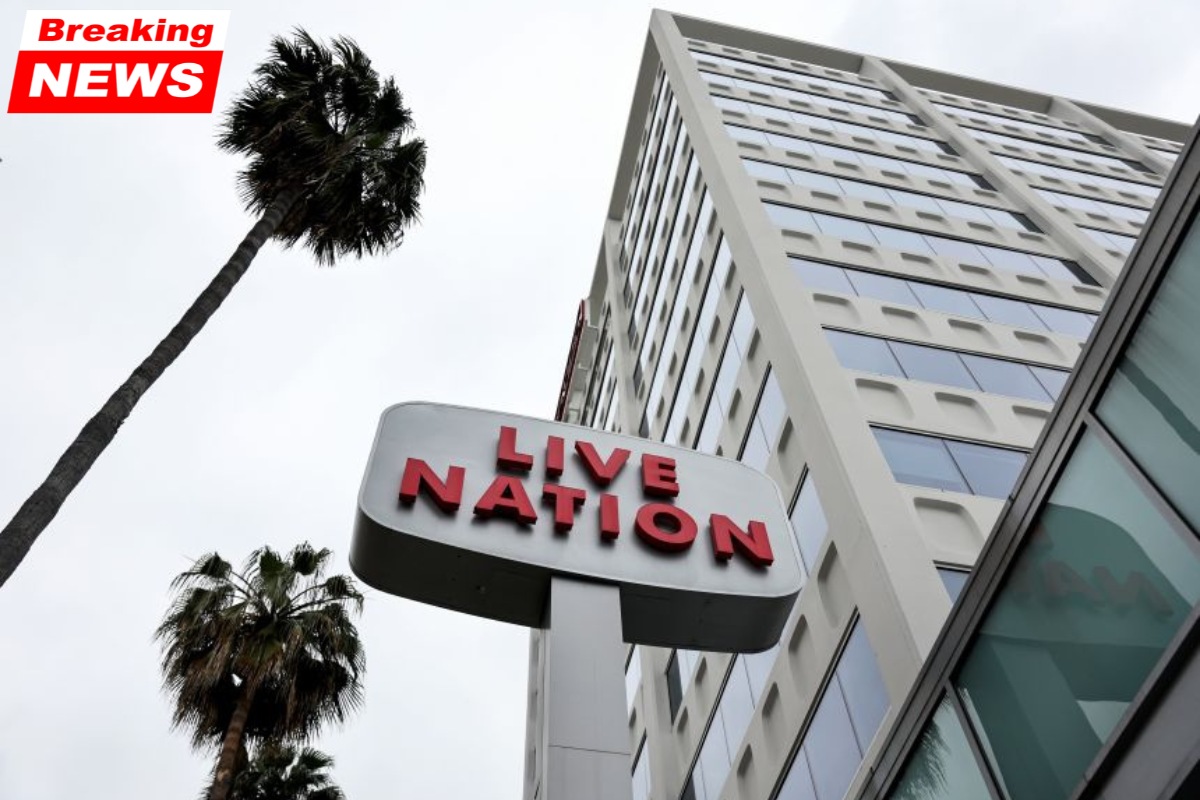
A U.S. jury has found that Live Nation and Ticketmaster operated as a monopoly in the live events and ticketing industry. The verdict confirms long-standing complaints that the companies limited competition and contributed to rising ticket fees for fans.
The decision came after a lengthy federal trial in New York, where jurors heard testimony from major figures across the music and entertainment industry. After deliberating, the jury concluded that the companies abused their dominant position, validating concerns from regulators, artists, and consumers alike.
What the Verdict Actually Means
While the ruling is significant, it does not immediately change ticket prices or fees. The next step will be decided by Judge Arun Subramanian, who will oversee a second trial focused on remedies.
Possible outcomes include:
- Breaking up parts of the company
- Forcing the sale of certain business units
- Imposing structural or operational changes
Legal experts say the ruling is still a major milestone. It shifts the conversation from public frustration to a formal legal finding of monopoly behavior.
Why Fans Won’t See Immediate Price Drops
Despite the strong verdict, ticket buyers should not expect cheaper tickets right away. The court’s focus now is on long-term structural fixes, not short-term price adjustments.
Experts note that even if changes are implemented, it could take time for competition to increase and for prices to stabilize. In other words, the ruling is more about reshaping the industry than delivering instant savings.
Government Action and Legal Background
The case stems from a major lawsuit filed in 2024 by the U.S. Department of Justice along with 39 state attorneys general. The lawsuit argued that Live Nation’s merger with Ticketmaster gave it control over nearly every part of the live music ecosystem, from venues to ticket sales.
Notably, the United States Department of Justice reached a partial settlement earlier in the trial. Some states agreed to that deal, while others continued to pursue the case in court.
Under the settlement, Live Nation agreed to:
- Allow competitors like SeatGeek and StubHub to sell tickets to its events
- Cap ticketing service fees at 15%
- End exclusive booking agreements with certain venues
- Create a $280 million fund for state claims
However, this agreement still requires judicial approval.
Financial Impact and Overcharging Findings
The jury also found that Ticketmaster overcharged states by $1.72 per ticket, aligning with earlier estimates. While this may seem small per ticket, it adds up significantly across millions of sales.
Importantly, the jury did not determine total damages. That responsibility now falls to the judge, who will decide the final penalties and any financial compensation.
Industry and Legal Reactions
The verdict has been described as a turning point in antitrust enforcement. Legal experts say it validates years of complaints about the dominance of Live Nation and Ticketmaster.
At the same time, the companies are pushing back. Live Nation has already announced plans to appeal any unfavorable rulings, emphasizing that the legal process is not over.
State officials also reacted strongly. Leaders involved in the case argued that the decision proves large corporations can be held accountable when they use their power to limit competition and raise prices.
What This Means for the Future of Live Events
If the court orders major structural changes, the live entertainment industry could see significant shifts. More competition could lead to:
- Greater choice for fans
- Lower fees over time
- More opportunities for smaller ticketing platforms
However, these outcomes depend on how aggressive the court’s remedies are. Breaking up parts of the company would have a far greater impact than minor regulatory adjustments.
Summary Table
| Aspect | Key Details |
|---|---|
| Companies Involved | Live Nation, Ticketmaster |
| Verdict | Found to be a monopoly |
| Immediate Impact | No instant price changes |
| Next Step | Second trial for remedies |
| DOJ Settlement | Fee caps, competition access, $280M fund |
| Overcharge Finding | $1.72 per ticket |
| Future Outlook | Possible industry restructuring |
The jury’s decision against Live Nation and Ticketmaster marks a major moment in the fight over competition in the live events industry. While it does not immediately lower ticket prices, it sets the stage for potentially sweeping changes.
The real impact will depend on what happens next in court. If strong remedies are enforced, the ruling could reshape how tickets are sold and priced in the United States. For now, the verdict stands as a clear signal that regulators and courts are willing to challenge corporate dominance in one of the most visible parts of the entertainment world.