
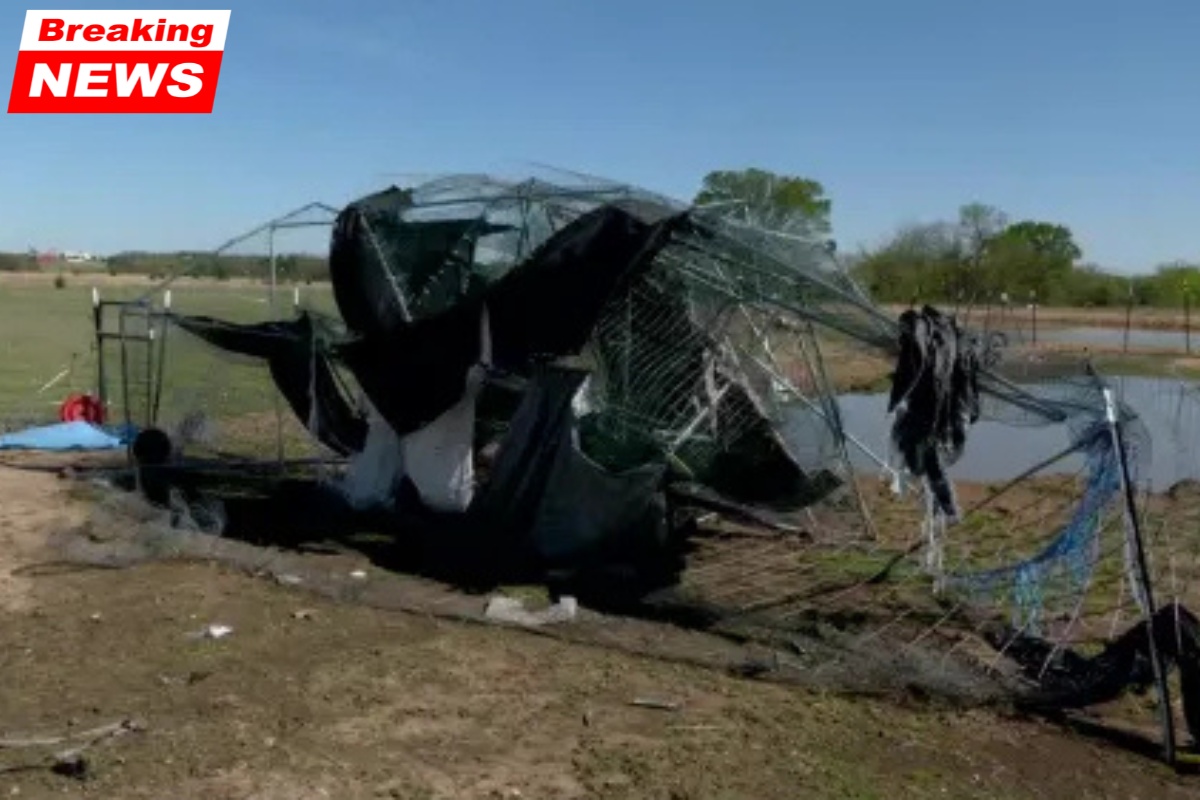
Severe weather in Oklahoma often leaves lasting damage, especially for ranchers who depend on livestock for their livelihood. From destroyed barns to injured animals, the aftermath can be overwhelming. In these moments, a specialized group steps in to help both animals and their owners recover.
The Oklahoma Large Animal First Responders was created to respond to exactly these situations. Formed after the devastating 2013 Moore tornado, the team continues to provide critical support during disasters, including recent efforts following an EF-1 tornado in Seminole.
How the Organization Began
The group was established in response to the destruction caused by the 2013 Moore tornado. That disaster highlighted a major gap in emergency response: the need for trained teams focused specifically on large animals like horses and cattle.
Since then, the organization has grown into a coordinated response unit that works alongside state agencies, veterinarians, and emergency crews to assist during and after severe weather events.
Preparing Before a Storm Hits
According to Dr. Clayton McCook, preparation is the most important step for livestock owners.
He emphasizes that planning should happen well before any storm warning. Waiting until a tornado or flood is approaching leaves little time to act effectively.
Key preparation steps include:
- Ensuring trailers are fueled and ready for transport
- Checking tire conditions for safe evacuation
- Stocking enough hay and water for animals during transport
- Planning evacuation routes in advance
Dr. McCook also strongly recommends microchipping animals. If fences are damaged and animals escape, identification becomes much easier, increasing the chances of recovery.
What Happens After a Storm
Once a storm passes, the response team is often called in by livestock owners or through the Oklahoma Department of Agriculture.
The process typically begins with a field assessment:
- A small team evaluates the scale of damage
- Injuries to animals are identified
- Immediate needs are prioritized
From there, the team determines what resources are required. This can include additional volunteers, transport vehicles, extraction tools, or veterinary supplies.
Their goal is to act quickly while staying organized, ensuring that the most urgent situations are handled first.
Helping Ranchers During Difficult Moments
For many ranchers, livestock are more than just assets. They are part of daily life and long-term investment. Losing animals or seeing them injured can be both financially and emotionally devastating.
The Oklahoma Large Animal First Responders focus on helping owners navigate this chaos. They assess what can be saved, provide care where possible, and assist with difficult decisions when necessary.
Dr. McCook stresses that the team works carefully to support without interfering with broader emergency operations, especially when human lives are also affected.
Partnerships That Strengthen Response Efforts
The organization works closely with several agencies to ensure effective disaster response.
One of its key partners is the Oklahoma State University College of Veterinary Medicine. Severely injured animals are often transported there for advanced treatment.
They also collaborate with:
- The Oklahoma Department of Agriculture
- The Oklahoma Medical Reserve Corps
- Local emergency management teams
These partnerships allow for a coordinated response that starts locally and expands as needed.
Shelter and Ongoing Care
In addition to emergency response, the organization can provide temporary shelter for displaced animals. This is especially important when farms are heavily damaged and cannot safely house livestock.
The ability to relocate and care for animals during recovery helps reduce long-term losses for ranchers.
Key Information Summary
| Category | Details |
|---|---|
| Organization | Oklahoma Large Animal First Responders |
| Founded | After 2013 Moore tornado |
| Focus | Rescue and care for large animals during disasters |
| Recent Response | EF-1 tornado in Seminole |
| Key Leader | Dr. Clayton McCook |
| Main Partners | OSU Veterinary School, Department of Agriculture |
| Services | Rescue, medical care, evacuation, shelter |
Why Preparation Matters
As severe weather continues to impact Oklahoma, preparation remains the most effective way to reduce harm.
Simple steps taken in advance can make a major difference:
- Faster evacuation
- Better animal safety
- Reduced confusion during emergencies
Dr. McCook emphasizes that planning ahead is not optional. It is essential for protecting both animals and people.
Supporting the Organization
The Oklahoma Large Animal First Responders rely partly on donations to continue their work. One way to support their efforts is through the Oklahoma Animal Relief Fund, which helps cover costs related to rescue operations and animal care.
Additional support comes from the veterinary school when animals require advanced medical treatment.
Help for Household Pets
While this group focuses on livestock, there is also support available for smaller animals. The Oklahoma Small Animal Response Team assists with household pets during disasters, ensuring that all types of animals receive care when emergencies strike.
Severe weather in Oklahoma brings serious challenges, especially for those who rely on livestock. The Oklahoma Large Animal First Responders play a vital role in helping ranchers recover by providing expertise, coordination, and care when it is needed most.
Their work highlights the importance of preparation, quick response, and strong partnerships. As storm seasons continue, their efforts remain a critical part of protecting both animals and livelihoods across the state.






