
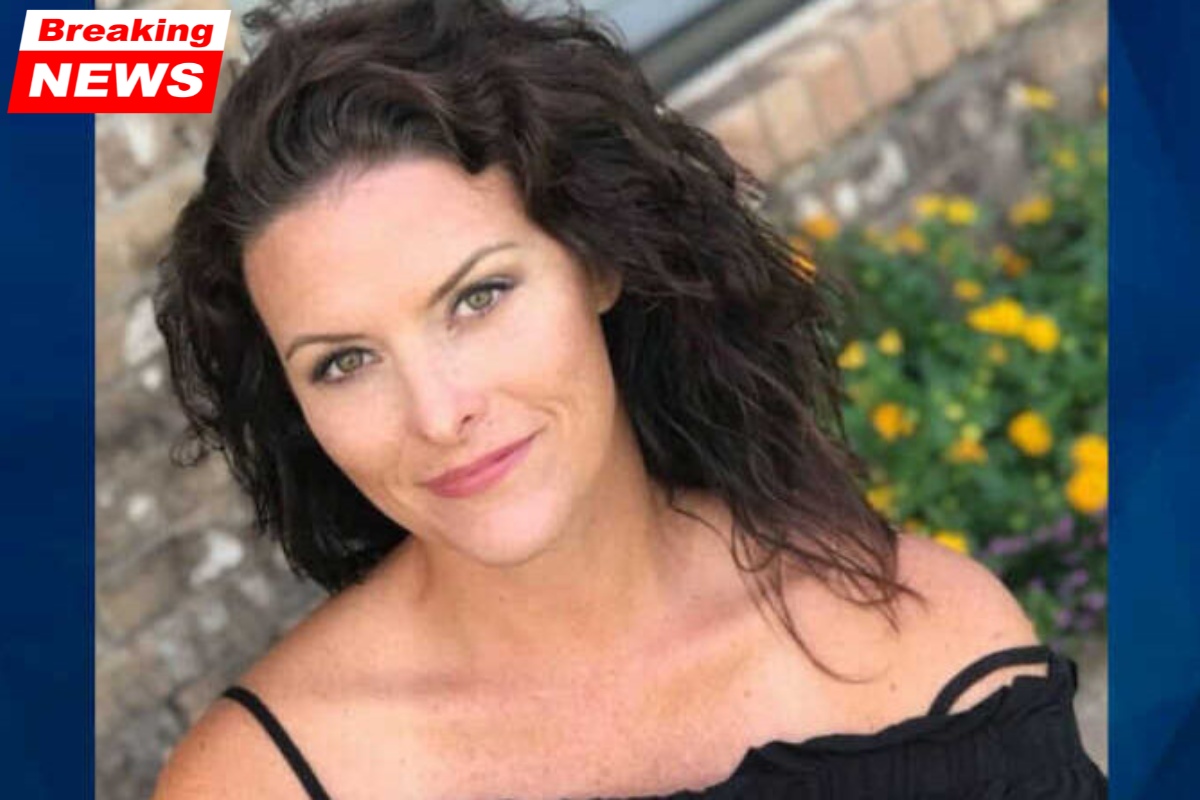
The death of Katie Palmer became one of the most painful and widely followed cases in Denison. What made it especially heartbreaking was how ordinary the day began. A simple walk through a familiar neighborhood turned into a life-altering tragedy on April 21, 2020.
Stories like this stay with people because they do not begin with obvious danger. They begin with routine. That contrast between normal life and sudden loss is what gave this case its emotional weight. For Katie’s family and community, that day became a clear dividing line between life before and after the tragedy.
Over time, the case evolved into more than a tragic accident. It became a long and emotional pursuit of accountability and justice. Years later, the story still carries public attention because the grief and unanswered questions never fully disappeared.
Who Katie Palmer Was
At the center of the story was not just a headline, but a person deeply valued by those around her. Katie Palmer was known as a wife, mother, and teacher. These roles reflect a life rooted in care, responsibility, and connection.
Her impact extended beyond her home. Students remembered her presence in the classroom. Friends and neighbors felt her absence in everyday life. When someone so involved in their community is lost suddenly, the grief spreads far beyond immediate family.
This is why the case never felt distant or abstract. Katie was not a stranger mentioned briefly in news reports. She was someone people knew, interacted with, and relied on. Her absence created visible gaps in daily life, making the loss deeply personal for many.
The Morning of April 21, 2020
On April 21, 2020, Katie and her husband, John Palmer, were walking in their neighborhood when they were struck by an F-250 pickup truck. The impact was severe and life-changing.
John survived but suffered major injuries, including a broken back. Katie sustained critical head trauma and passed away hours later.
What makes this moment especially painful is how ordinary it was. A walk is one of the simplest and safest activities people expect to do without risk. The sudden violence of the incident stands in stark contrast to that expectation.
This gap between normalcy and tragedy is a key reason the story resonated so widely. It forced people to confront how quickly life can change, even in familiar and seemingly safe environments.
The Immediate Aftermath
The hours following the incident were filled with confusion, fear, and grief. John Palmer was not only recovering from serious injuries but also facing the loss of his wife.
Katie’s passing did not happen instantly at the scene. She was taken for emergency treatment, creating a short but intense period filled with hope and uncertainty before the final confirmation of her death.
For families, these moments can be overwhelming. What begins as an emergency quickly turns into a permanent loss. The emotional weight comes not just from the incident itself, but from the sequence of events that follow.
Why the Case Drew Public Attention
Not every fatal accident becomes a long-term public issue, but this case did for several reasons. The personal nature of the loss played a major role. The seriousness of John Palmer’s injuries also kept attention on the case. In addition, continued advocacy by family members and supporters helped maintain visibility.
When families feel justice is slow, grief often turns into determination. That determination can keep a case active in public conversation for years.
There is also a broader emotional factor. People tend to react strongly to tragedies that feel preventable. A pedestrian accident in a neighborhood setting creates that reaction, making others imagine how easily it could happen to them or their loved ones.
A Long Fight for Accountability
One of the defining aspects of the case was the time it took for legal progress. The incident occurred in 2020, but reports later indicated that a grand jury indictment was not announced until 2025.
This gap became part of the story. For families seeking justice, time can feel like an added burden. Delays often deepen emotional pain and create frustration.
The case shifted from being about a single tragic day to a longer journey marked by persistence. The family’s continued efforts showed a refusal to let the case fade quietly.
The Emotional Burden on John Palmer
John Palmer’s role in the story is deeply significant. He survived the same collision that took his wife’s life, which means he carries both physical and emotional trauma.
Surviving such an event often brings complex feelings. There is grief, but also the memory of being present during the tragedy. That experience can shape everything that follows.
His public advocacy became one of the strongest forces keeping the case visible. It reflected a simple but powerful idea that love does not end with loss. Instead, it often turns into a demand for justice and recognition.
Community Impact and Response
When a tragedy happens in a neighborhood, it affects more than one family. It changes how people see their surroundings. Streets that once felt safe begin to feel uncertain.
In Denison, the community response played an important role. Support efforts, awareness campaigns, and ongoing discussions kept the case in public view.
This kind of collective response sends a clear message that the person who was lost mattered and that their story is not forgotten.
Key Facts Summary
| Aspect | Details |
|---|---|
| Victim | Katie Palmer |
| Location | Denison, Texas |
| Date | April 21, 2020 |
| Incident | Struck by F-250 pickup truck while walking |
| Survivor | John Palmer (serious injuries) |
| Legal Timeline | Indictment reported in 2025 |
| Impact | Community-wide attention and advocacy |
Tragedy vs Closure
A tragic event does not always lead to closure. Families may understand what happened but still feel that justice is incomplete.
In this case, the delay in accountability kept the emotional wounds open. Closure, if it comes at all, is often partial. It cannot reverse what was lost. It can only acknowledge it.
Remembering Katie Palmer
It is important to remember Katie Palmer as more than a victim. She was a person with a full life, relationships, and purpose.
Reducing someone to the circumstances of their death can erase their identity. Remembering her properly means recognizing her roles as a mother, teacher, and partner.
Her story is not only about how she died, but about the life she lived and the impact she left behind.
The death of Katie Palmer remains a deeply emotional and significant case. It highlights how quickly ordinary life can change and how lasting the effects of sudden loss can be.
More than anything, it shows the power of persistence. Her family’s continued efforts ensured that her story did not fade.
This case is not just about tragedy. It is about memory, accountability, and the importance of recognizing the value of a life that mattered.






