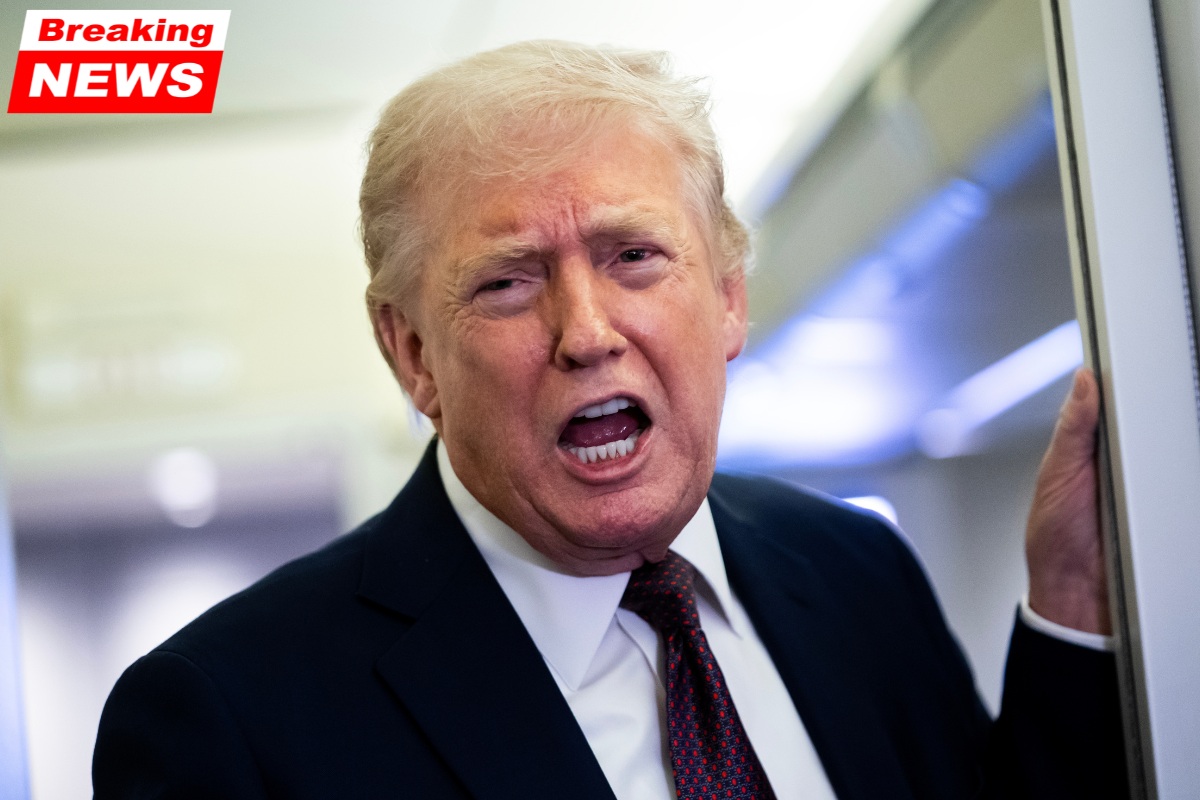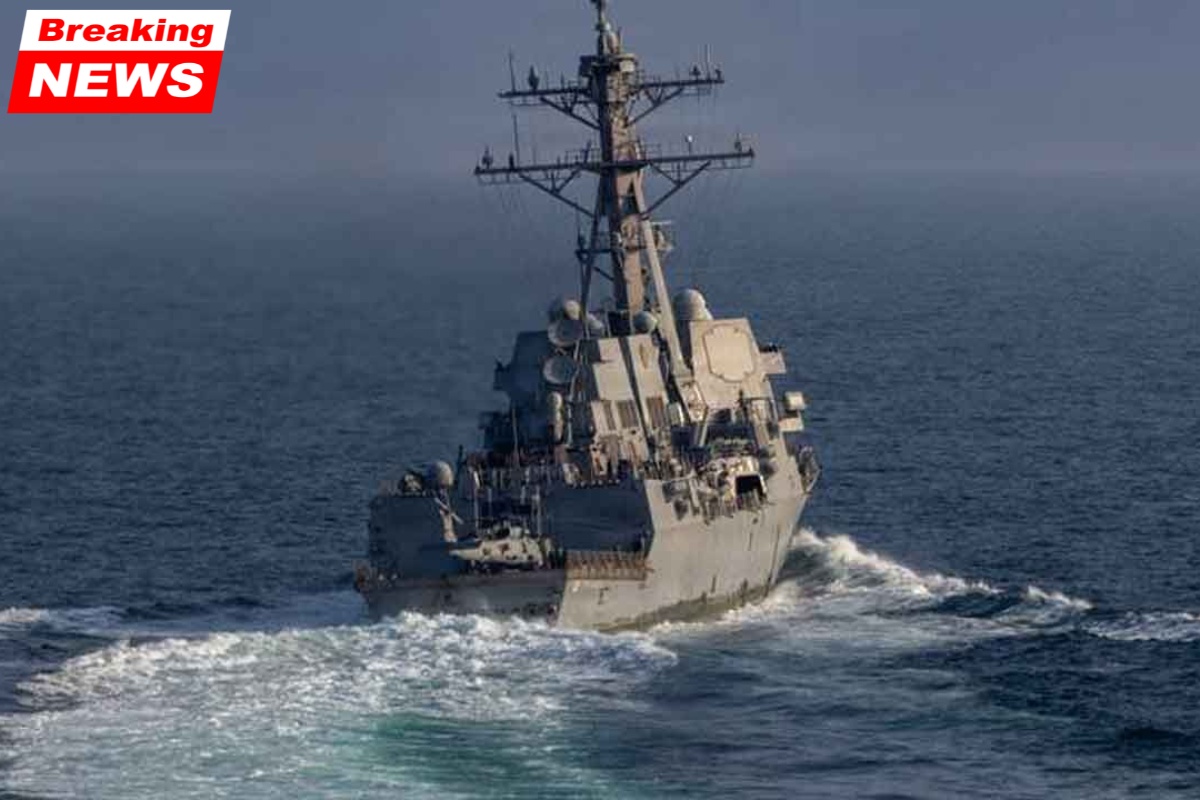
A U.S. naval blockade of the Strait of Hormuz, ordered by Donald Trump, came into effect Monday at 10 a.m. EST. However, within hours of implementation, multiple vessels reportedly crossed the strategic waterway without interference, raising questions about enforcement and effectiveness.
What the Blockade Was Meant to Do
The directive instructed the U.S. Navy to monitor and potentially intercept vessels suspected of financial or logistical ties to Iran. According to official statements, the blockade was to be applied “impartially” to ships of all nations entering or leaving Iranian ports.
The Strait of Hormuz is one of the most critical oil transit chokepoints in the world, making any military action there globally significant. A disruption or escalation in this region can directly impact global energy markets and geopolitical stability.
Vessels Reportedly Cross Without Incident
Despite the strong stance, reports based on ship tracking data indicate that at least four Iran-linked vessels passed through the strait after the blockade began.
Two ships reportedly crossed on Monday shortly after enforcement started, while two more moved through overnight. Among them:
- Rich Starry: A U.S.-sanctioned Chinese oil tanker
- Elpis: Another sanctioned tanker believed to have departed from Iran’s Bushehr port
These movements were identified through maritime tracking analysis conducted by major news organizations.
Questions Around Enforcement
The fact that multiple vessels passed through without interception has led to immediate scrutiny. Analysts are questioning whether the blockade is being actively enforced or if operational limitations are affecting its execution.
Another layer of uncertainty comes from the possibility of maritime “spoofing.” This tactic involves ships broadcasting false location data to disguise their real movements. While this could explain discrepancies, there is no confirmed evidence that spoofing was used in these specific cases.
China Responds Strongly
The situation has drawn international reaction, particularly from China. Xi Jinping criticized the U.S. move, calling the blockade “dangerous and irresponsible.”
He also warned against escalating global tensions, stating that the international system must not descend into what he described as a “law of the jungle.” China’s response reflects broader concerns about the potential for conflict in a region critical to global trade.
Expert Concerns on Global Oil Supply
Energy experts have also raised alarms about the broader implications of the blockade. Karen Young, a senior scholar at Columbia University’s Center on Global Energy Policy, noted that such actions could worsen existing pressures on oil supply.
Rather than stabilizing the situation, analysts suggest that competing blockades or restrictions could lead to:
- Reduced oil flow through a key global route
- Increased shipping risks and insurance costs
- Rising global oil prices
Given that a significant portion of the world’s النفط passes through the Strait of Hormuz, even minor disruptions can have outsized effects.
Why the Strait of Hormuz Matters
Strait of Hormuz is a narrow passage connecting the Persian Gulf to global shipping routes. Roughly one-fifth of the world’s oil supply travels through it.
Because of this, any military or political tension in the area tends to:
- Trigger volatility in energy markets
- Affect global shipping lanes
- Increase geopolitical risk
This makes enforcement of any blockade both highly sensitive and difficult.
Summary of Key Developments
| Aspect | Details |
|---|---|
| Action Taken | U.S. naval blockade initiated |
| Ordered By | Donald Trump |
| Location | Strait of Hormuz |
| Enforcement Start Time | Monday, 10 a.m. EST |
| Reported Breaches | At least 4 Iran-linked vessels |
| Notable Ships | Rich Starry, Elpis |
| Key Concern | Lack of interception |
| International Reaction | China criticizes move |
| Expert View | Risk of worsening oil scarcity |
Rising Uncertainty and Strategic Risks
The early breach of the blockade highlights the complexity of enforcing maritime restrictions in international waters. It also raises concerns about whether such measures can achieve their intended objectives without escalating tensions.
If enforcement remains inconsistent, it may weaken the credibility of the blockade. On the other hand, stricter enforcement could increase the risk of direct confrontation.
The U.S. blockade of the Strait of Hormuz was intended as a strong response to regional tensions, but its immediate breach has complicated the narrative. With ships continuing to pass through and global reactions intensifying, the situation remains fluid.
The coming days will likely determine whether the blockade evolves into a stricter enforcement regime or remains a symbolic show of force. Either way, the stakes are high, with global energy markets and geopolitical stability hanging in the balance.