When peace talks between countries fail, the reasons are often complicated. In the recent case of negotiations between the United States and Iran, a U.S. official has claimed that the main issue was not just disagreement, but a misunderstanding. According to the official, Iran believed it had more power in the talks than it actually did. This miscalculation, they say, played a big role in why the discussions ended without any agreement.
What happened during the talks
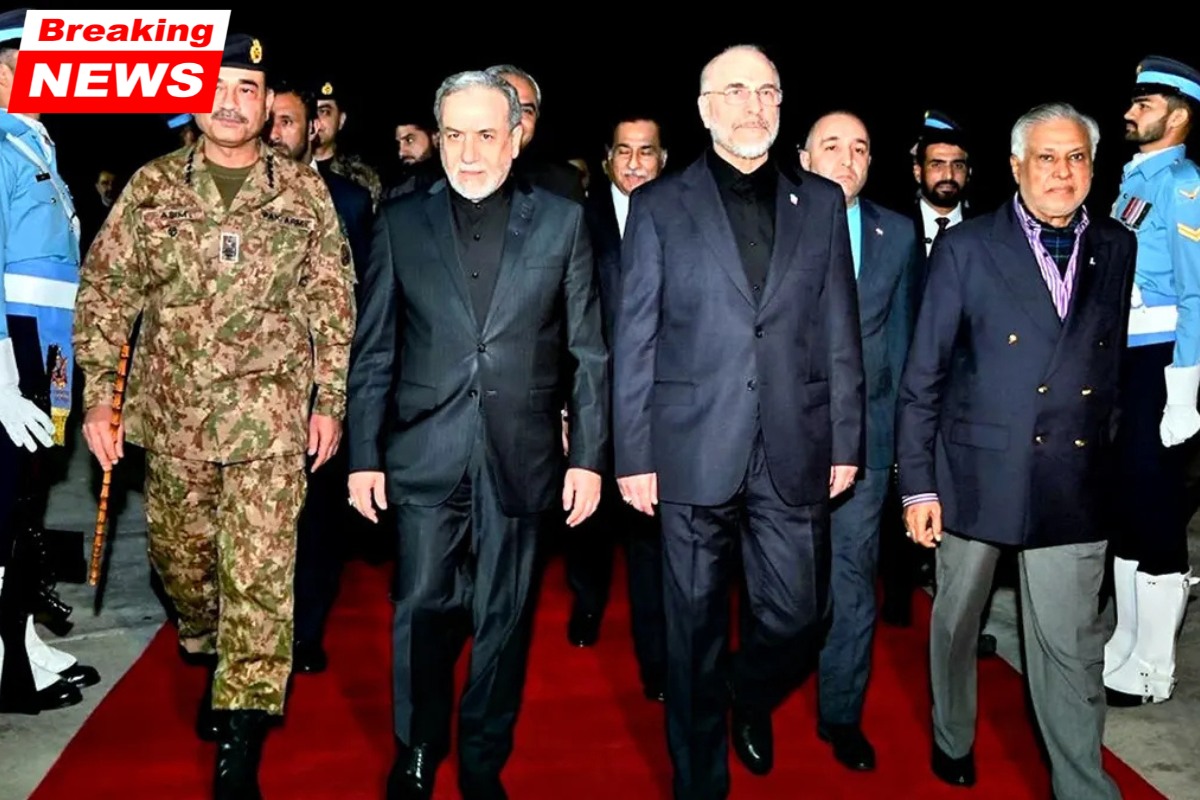
The negotiations took place in Islamabad, Pakistan, and were led on the U.S. side by JD Vance. The talks lasted for around 21 hours, showing how serious and detailed the discussions were.
Even though the meeting started with tension, it reportedly became more calm and constructive as time went on. Both sides engaged in long discussions, trying to find common ground. However, in the end, no agreement was reached.
After the meeting, Vance spoke to the media and clearly said that the talks had failed because Iran did not accept the terms offered by the United States.
Why the deal collapsed
According to a U.S. official, the main problem was Iran’s belief that it had strong leverage in the negotiations. In simple terms, Iran thought it was in a powerful position and could demand more favourable conditions.
The U.S. side, however, did not agree with this view. Officials felt that Iran misunderstood the situation, especially when it came to the importance of certain key issues.
The official also said that it becomes very difficult to reach any agreement when one side overestimates its strength. This mismatch in expectations made it hard to move forward.
Key conditions set by the United States
The United States had several strict conditions, also known as “red lines,” which it was not willing to change. These were central to any possible agreement.
Some of the major demands included:
- Iran must completely stop uranium enrichment
- All major nuclear facilities must be dismantled
- Highly enriched uranium must be handed over
- Iran should agree to a wider peace and security plan involving regional allies
- Funding to groups like Hamas, Hezbollah, and the Houthis must stop
- The Strait of Hormuz must remain open without any charges for passage
These conditions show that the U.S. was aiming for a broad agreement, not just a limited nuclear deal.
Focus on nuclear weapons
One of the most important points in the negotiations was ensuring that Iran does not develop nuclear weapons. According to the U.S. official, this is the core goal of any peace deal.
However, the U.S. side felt that Iran did not fully understand how central this issue was. This gap in understanding made it even harder to reach an agreement.
JD Vance’s final statement
After the talks ended, JD Vance made it clear that the United States had explained its position in detail. He said the U.S. had clearly shared:
- What it is willing to accept
- What it is not willing to accept
He added that the proposal given to Iran is the “final and best offer.” Now, the decision is entirely up to Iran.
In simple words, the U.S. is saying that the deal is still possible, but only if Iran agrees to these terms.
What this means going forward
The failure of these talks does not mean that all hope is lost. Diplomatic discussions can restart in the future. However, the gap between both sides is clearly very large right now.
If Iran continues to believe it has stronger leverage, and the U.S. continues to stick to its strict conditions, it may take a long time before any agreement is reached.
This situation also affects global stability. Issues like nuclear development and control over important routes like the Strait of Hormuz have a direct impact on oil prices, international trade, and overall peace in the region.
The breakdown of the U.S.-Iran talks highlights how important clear understanding is in international negotiations. It is not just about what each side wants, but also about how they see their own position. In this case, the U.S. believes Iran misjudged its power, which led to unrealistic expectations and, finally, a failed deal.
While discussions may continue in the future, both sides will need to rethink their approach if they want to reach any agreement. Until then, the situation remains uncertain, with possible effects on global politics, security, and the economy.