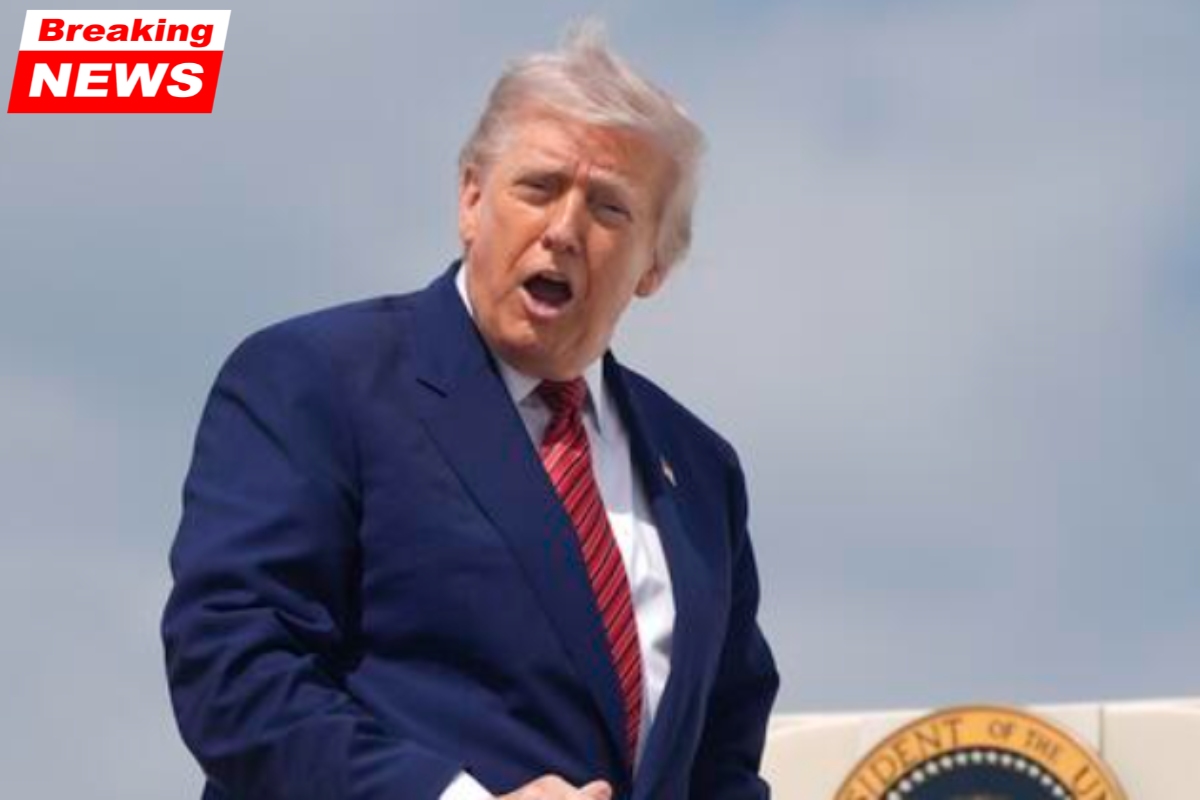
A 29-year-old man from Chicago, Michael Kovco, has been arrested and charged after allegedly sending a series of violent threats targeting Donald Trump, members of his family, and U.S. Secret Service agents.
According to the U.S. Department of Justice, Kovco made explicit statements claiming he intended to carry out an assassination attempt on the White House lawn.
Details of the Alleged Threats
Federal authorities say Kovco sent multiple alarming messages through official government channels, including the CIA and White House websites. In these messages, he allegedly described detailed plans involving firearms, explosives, and close-range attacks.
One message reportedly stated his intent to ambush the president using a high-powered sniper rifle. Another included threats against Barron Trump, along with violent language describing a planned attack.
Authorities also allege that Kovco threatened to target Secret Service personnel, warning that he would retaliate against any agents who approached him. These communications were described in the federal complaint as serious and intentional threats.
Escalation and Timeline of Events
The situation escalated in March 2026 when Kovco allegedly sent additional messages outlining broader plans involving weapons and explosives in Washington, D.C.
Key moments include:
- August 2025: Initial message sent to the CIA describing a sniper attack
- March 17, 2026: Threats sent to the White House, including violent intent toward the president and his family
- March 19, 2026: Additional messages referencing weapons purchases and explosive devices
- April 3, 2026: Arrest by federal authorities
Investigators were able to quickly identify Kovco because he reportedly included personal contact information such as his phone number and email in the messages.
Law Enforcement Response
The case was handled by federal law enforcement agencies, including the Secret Service. Authorities had already visited Kovco’s residence in Chicago prior to his arrest, indicating that the threats were taken seriously from the outset.
Following the investigation, Kovco was charged with transmitting a threat in interstate commerce, a federal offense. If convicted, he faces up to five years in prison.
Officials have not indicated whether additional charges may be filed as the investigation continues.
Security Concerns and Broader Implications
Threats against U.S. presidents are treated with the highest level of urgency due to national security concerns. Even when no immediate action is taken, detailed or repeated threats can trigger extensive investigations.
This case highlights:
- The role of digital communication in modern threat detection
- The speed at which law enforcement can trace online messages
- The seriousness with which threats against public officials are handled
It also underscores how individuals who issue threats, even without carrying them out, can face significant legal consequences.
Summary of Key Facts
| Aspect | Details |
|---|---|
| Suspect | Michael Kovco |
| Age | 29 |
| Location | Chicago, Illinois |
| Target of Threats | Donald Trump, Barron Trump, Secret Service |
| Method Alleged | Firearms, explosives, and physical attacks |
| Arrest Date | April 3, 2026 |
| Charge | Transmitting threat in interstate commerce |
| Possible Sentence | Up to 5 years in federal prison |
Legal Context of the Charges
Under U.S. federal law, making threats across state lines or through interstate communication systems is a criminal offense. This includes messages sent via the internet, email, or official websites.
Even if no physical action is taken, the law focuses on the intent and seriousness of the threat. In this case, prosecutors argue that the detailed nature of the messages and repeated communications demonstrate clear intent.
The arrest of Michael Kovco reflects the strict enforcement of laws surrounding threats against national leaders. Authorities acted quickly after identifying the source of the messages, preventing any potential escalation.
While the case will proceed through the legal system, it serves as a reminder that threats made online are traceable and carry serious consequences. As investigations continue, the focus will remain on ensuring public safety and upholding federal law.