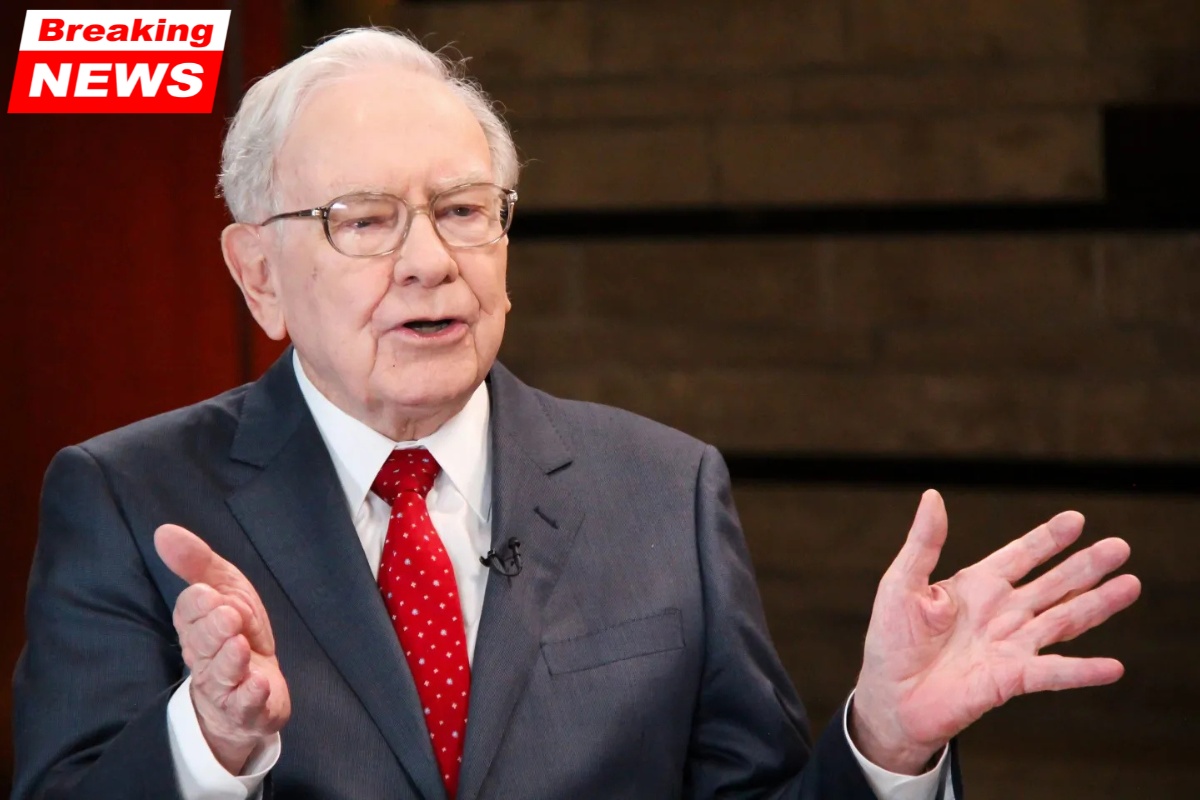
Warren Buffett, one of the most successful investors in history, has long challenged the idea that wealth equals greatness. Despite being among the richest people in the world, Buffett has consistently emphasized that true success comes from values, not net worth.
In his final shareholder letter for Berkshire Hathaway, he made his stance clear: accumulating money, fame, or power does not define a person’s greatness.
Buffett’s Definition of True Greatness
Buffett believes that success should be measured by how you treat others and the positive impact you have on the world.
He has often highlighted simple principles like kindness, respect, and fairness. According to him, helping others—even in small ways—creates real value that money cannot replicate.
His philosophy reflects a broader idea: wealth may bring comfort, but it doesn’t automatically bring meaning or fulfillment.
A Billionaire Who Lives Simply
Despite a fortune estimated at over $100 billion, Buffett’s lifestyle remains surprisingly modest.
He continues to live in the same home in Omaha that he purchased in 1958 for $31,500. While its value has increased significantly, it is far from the luxury mansions many billionaires choose.
For Buffett, the home’s value lies in the memories it holds, not its price tag.
Frugal Habits That Never Changed
Buffett is well-known for his everyday habits, which reflect his long-standing approach to money.
He often eats at McDonald’s, choosing simple, inexpensive meals. In one well-known story, he even treated Bill Gates to McDonald’s using discount coupons.
His approach extends beyond food. Buffett has driven older cars for years and avoids luxury purchases that don’t add real value to his life.
At one point, he even had a license plate that read “THRIFTY,” a reflection of his mindset.
Why More Money Doesn’t Mean More Happiness
Buffett has repeatedly said that beyond a certain point, increasing your spending doesn’t improve your quality of life.
Owning multiple houses or expensive cars, in his view, can actually make life more complicated rather than more enjoyable.
He has argued that happiness comes from meaningful relationships, purpose, and simplicity—not from accumulating possessions.
Treating Everyone Equally
One of Buffett’s core beliefs is that every person deserves respect, regardless of their status.
He has emphasized that a CEO and a cleaner should be treated with the same dignity. This principle, often referred to as the “Golden Rule,” guides both his personal life and professional decisions.
It’s a reminder that character matters more than position or wealth.
Summary Table
| Aspect | Details |
|---|---|
| Net Worth | Over $100 billion |
| Company | Berkshire Hathaway |
| Residence | Omaha home bought in 1958 |
| Lifestyle | Simple and frugal |
| Eating Habits | Frequent McDonald’s meals |
| Key Belief | Kindness and respect define success |
| View on Wealth | Money doesn’t equal happiness |
Why Buffett’s Message Matters Today
In a world where financial success is often celebrated above all else, Buffett’s perspective offers a different way of thinking.
His life shows that it’s possible to achieve extraordinary financial success without losing sight of what truly matters.
For entrepreneurs and professionals, his message is clear: focus on values, relationships, and purpose—not just profits.
Warren Buffett’s life is proof that wealth doesn’t have to change who you are. Despite immense success, he has remained grounded, choosing simplicity over excess and values over status.
His philosophy challenges the common belief that more money leads to a better life. Instead, he shows that true greatness comes from how you live, not what you own.