High-stakes negotiations between the United States and Iran have ended without a deal, dealing a serious blow to hopes of easing tensions between the two longtime adversaries.
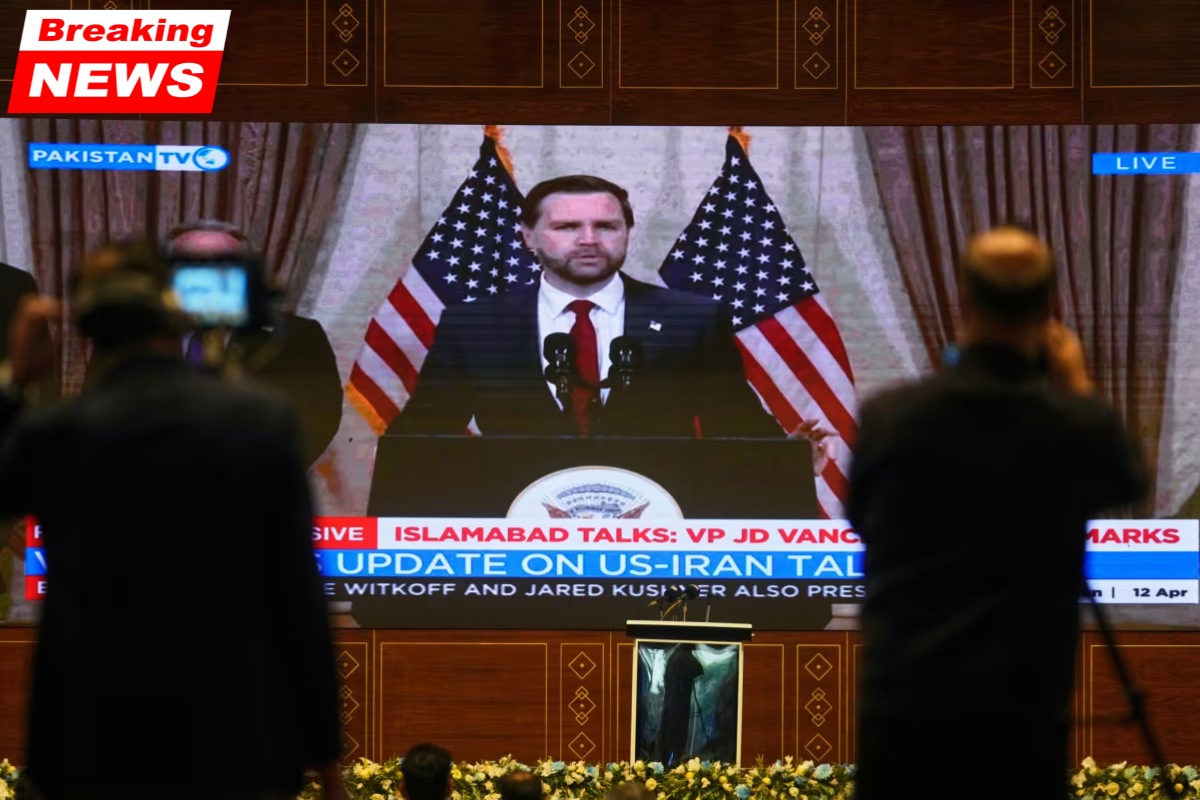
The talks, held in Islamabad, stretched across hours that turned into days. Observers described a marathon process filled with technical discussions, repeated document exchanges, and intense back-and-forth. Despite the effort, both sides ultimately walked away without agreement.
Why These Talks Mattered
These were not routine diplomatic meetings. They represented the highest-level engagement between US and Iranian officials since the 1979 Islamic Revolution.
That alone raised expectations that some form of progress might be possible. Instead, the breakdown highlights just how deep the divide remains—not only in policy, but in how each side approaches negotiations.
Different Styles, Same Deadlock
A key issue was the difference in negotiating style.
JD Vance and the American delegation pushed for a quicker resolution, especially following a temporary two-week ceasefire. Their approach focused on reaching a clear outcome within a limited timeframe.
Iran, on the other hand, followed a slower and more deliberate strategy. Historically, Tehran tends to negotiate over longer periods, carefully weighing each step. This mismatch in pace and expectations created friction from the start.
When the US described its proposal as the “best and final” offer, it effectively shifted pressure onto Iran to respond or adjust its position.
The Core Dispute: Nuclear Enrichment
At the center of the disagreement is Iran’s nuclear program.
Iran maintains that its nuclear activities are for peaceful energy purposes. However, its recent increase in uranium enrichment levels has raised alarm internationally.
The US is seeking firm guarantees that Iran will not develop nuclear weapons. This includes limits—or possibly a complete halt—on enrichment activities.
Iran has shown little willingness to concede on this point, viewing enrichment as a sovereign right. This issue remains the biggest obstacle to any agreement.
Tensions Shaped by Recent Conflict
The talks did not happen in isolation. They followed a recent 12-day conflict involving Israel, which was partly driven by concerns over Iran’s nuclear activities.
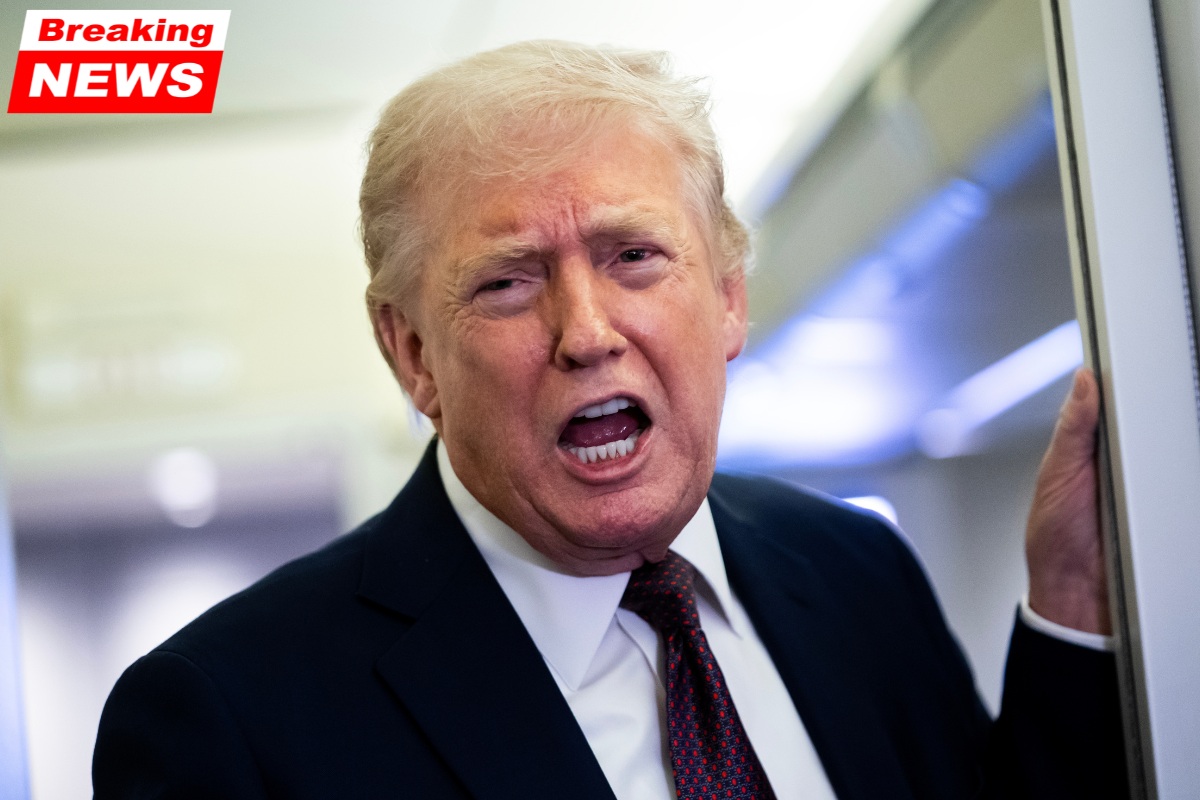
At the same time, rhetoric from Donald Trump added pressure to the situation. His warnings of severe military consequences, including threats to Iran’s infrastructure, created a tense backdrop for diplomacy.
These factors made compromise even more difficult, as both sides had to balance negotiation with domestic and geopolitical pressures.
Messaging and Domestic Pressure
Throughout the talks, Iranian officials released statements aimed at their domestic audience. These messages framed diplomacy in ideological terms, even describing it as part of a broader national struggle.
This highlights another challenge: both governments must consider how any deal will be perceived at home. Concessions that might be acceptable diplomatically can be politically risky domestically.
What Happens Next
With no agreement reached, several key questions remain:
- Will Iran return to the negotiating table, and under what conditions?
- How will the US respond if Iran refuses to change its position?
- Could tensions escalate again, either diplomatically or militarily?
The failure of these talks leaves the situation uncertain. Without a clear path forward, the risk of further conflict remains.
Global Impact and Economic Uncertainty
The breakdown also has wider implications.
Uncertainty around US-Iran relations can affect global markets, particularly energy prices. Any escalation in the region has the potential to disrupt supply chains and increase economic instability.
For now, the global economy remains in a wait-and-see mode, watching closely for the next move from either side.
Summary Table
| Aspect | Details |
|---|---|
| Location of Talks | Islamabad, Pakistan |
| Countries Involved | United States, Iran |
| Key Issue | Nuclear enrichment |
| US Position | No nuclear weapons, strict guarantees |
| Iran Position | Maintain nuclear program |
| Outcome | No agreement reached |
| Major Challenge | Differences in negotiation style and demands |
| Global Impact | Economic and geopolitical uncertainty |
Why This Moment Matters
This breakdown shows how difficult it is to resolve long-standing geopolitical conflicts. Even with direct engagement at the highest levels, deep-rooted mistrust and opposing priorities can block progress.
It also reflects the limits of short-term diplomacy when dealing with complex issues like nuclear policy and regional security.
The collapse of the US-Iran talks marks a significant setback in efforts to reduce tensions and find common ground. While dialogue did take place, the gap between the two sides remains wide.
For now, diplomacy is at a standstill. Whether talks resume or tensions escalate will depend on how both sides respond in the coming weeks. The stakes remain high—not just for the region, but for global stability as well.