It’s the kind of case that rattles even seasoned investigators — not just because of the violence, but the chilling attempt to carry on as if nothing had happened. In Indianapolis, a jury has now closed the chapter on a brutal killing that unfolded inside a modest home on South Gray Street, where a man was shot repeatedly and left behind a locked door.
A Crime That Unfolded Behind Closed Doors
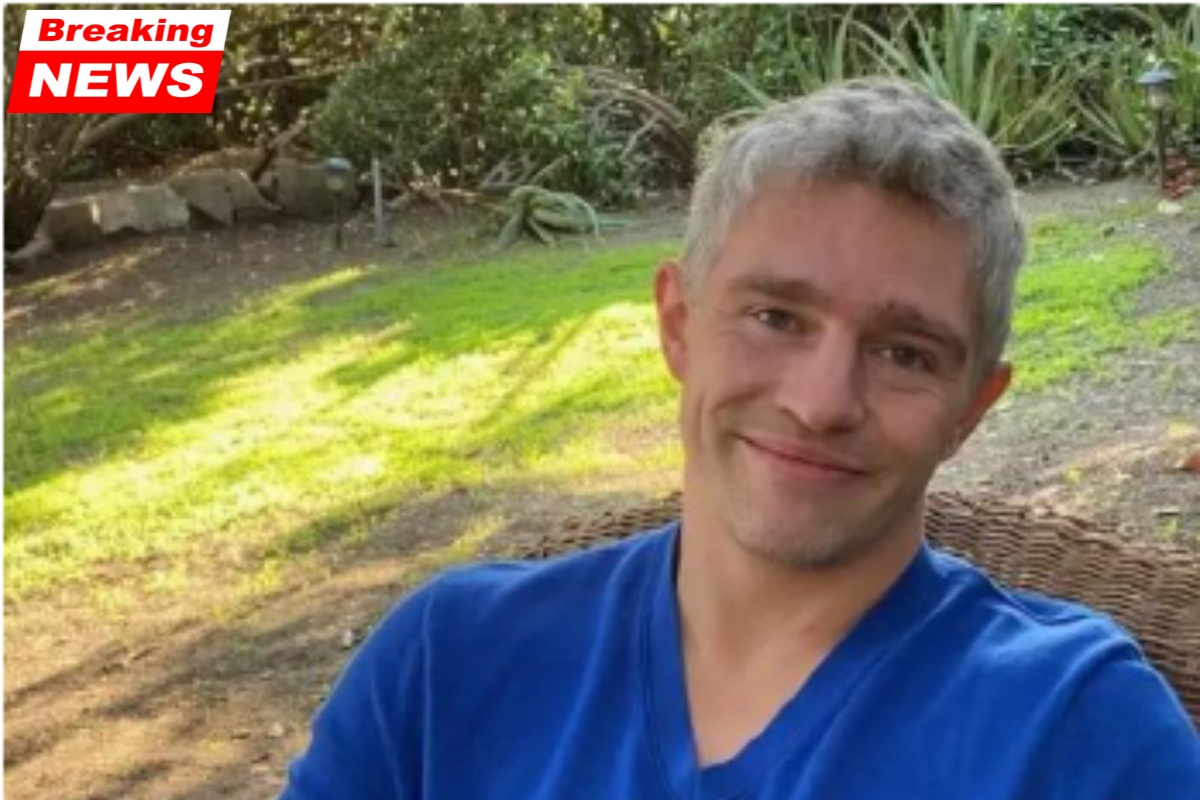
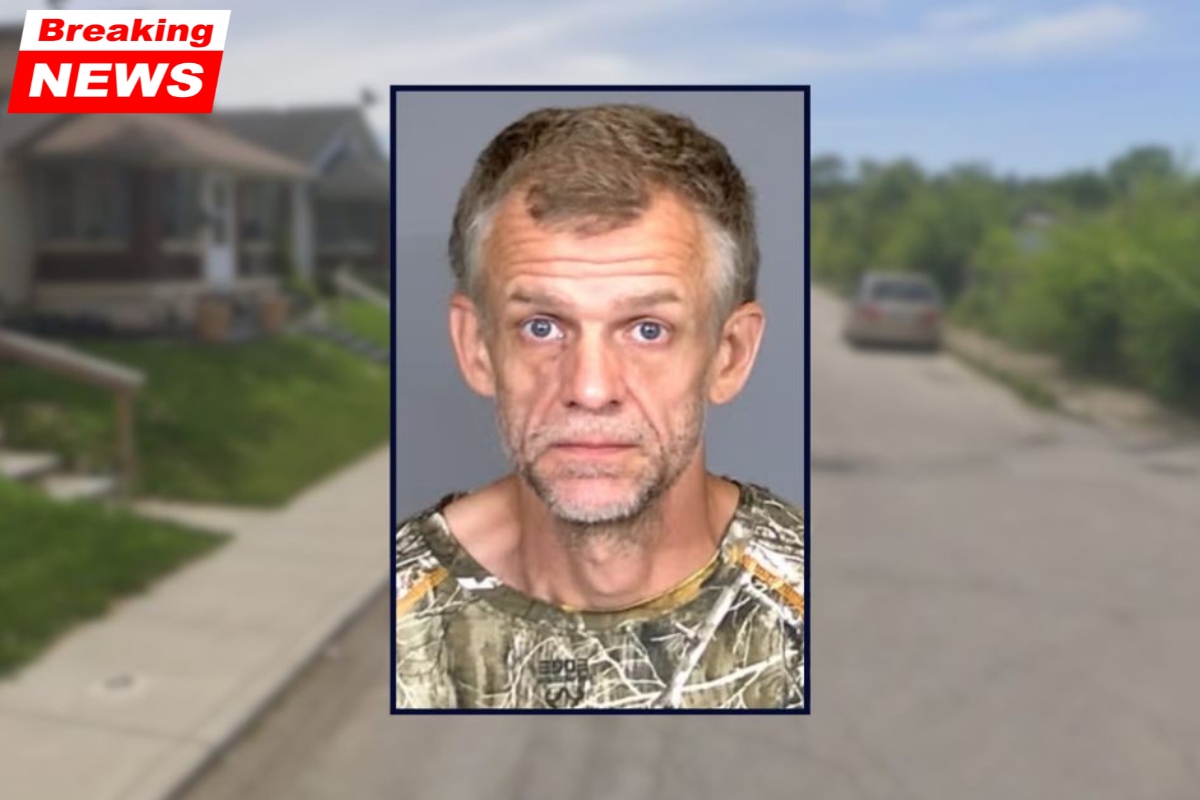
James Grossnickle, 54, will spend the next six decades in prison after being sentenced to 62 years for the murder of 40-year-old Craig Esmon Jacobs. The sentence, handed down by Marion County Superior Court Judge Jeffrey Marchal, comes weeks after a jury found him guilty of both murder and unlawful possession of a firearm by a serious violent felon.
The events date back to early September 2024. Police were called to the residence after Jacobs’ friends, already uneasy about his sudden disappearance, forced their way into a locked bedroom. What they found was grim — Jacobs had been shot multiple times, primarily in the face, and had likely been dead for days.
According to court documents cited by local outlets including WTHR and WXIN, the scene suggested not just violence, but an attempt to delay discovery. The bedroom door had been locked and reinforced with a screw — a crude but deliberate effort to keep anyone out.
Warning Signs That Went Ignored
What makes the case even more unsettling is how many warning signs surfaced before the body was discovered. Witnesses told investigators that Grossnickle had made repeated, disturbing comments about shooting Jacobs.
One witness recalled being told not to check on Jacobs because he was “in a bad mood.” But that explanation didn’t quite hold up, especially when paired with threats Grossnickle allegedly made.
“He’s a crazy motherf—, I’ll shoot you in the head,” he reportedly said during one encounter, even going so far as to describe sending body parts to a victim’s family — a statement that, in hindsight, reads less like bluster and more like a preview.
Those comments, combined with Jacobs’ sudden silence, eventually pushed friends to act. Their decision to break into the room ultimately exposed the crime.
The Arrest and Confession
Police didn’t have to search long for a suspect. Grossnickle was arrested later that same day on East Edgewood Avenue after reports of an armed individual linked to the shooting.
The murder weapon was recovered from his vehicle.
During a custodial interview, Grossnickle admitted to shooting Jacobs multiple times in the head. Investigators say the attack only stopped because the gun jammed — a detail that underscores the sheer brutality of the act.
He also acknowledged locking the bedroom afterward and securing it with a screw, effectively sealing the crime scene while attempting to maintain a façade of normalcy in the rest of the house.
Timeline of Key Events
| Date | Event |
|---|---|
| Early Sept 2024 | Argument between Grossnickle and Jacobs |
| Sept 4, 2024 | Friends discover Jacobs’ body in locked bedroom |
| Same day | Grossnickle arrested; weapon found in vehicle |
| March 2025 | Jury convicts Grossnickle of murder and firearm charge |
| April 2026 | Sentenced to 62 years in prison |
Prosecutor’s Statement and Legal Context
Marion County Prosecutor Ryan Mears didn’t mince words following the sentencing. His office framed the outcome as both justice and a warning.
“Last month, the jury found the truth the defendant attempted to hide, and today the court reinforced that truth with a sentence that reflects the weight of his crimes,” Mears said.
Cases like this fall under Indiana’s broader criminal statutes governing homicide and firearm possession by prior offenders. The state’s sentencing framework, detailed through resources like the Indiana Judicial Branch (https://www.in.gov/courts/) and legislative statutes (https://iga.in.gov/), allows for enhanced penalties when a defendant has a history of violent felonies.
Grossnickle’s additional conviction for unlawful firearm possession played a role in the overall sentence length, pushing it firmly into what prosecutors described as a “life-impacting” term.
A Failed Attempt to Hide the Truth
There’s something almost surreal about the way this case unfolded after the killing. Prosecutors emphasized that Grossnickle didn’t flee immediately or attempt to dispose of the body elsewhere. Instead, he chose a strategy that might seem baffling — locking the door, reinforcing it, and continuing life around it.
It’s the kind of decision that raises more questions than answers. Was it panic? Denial? A calculated but poorly executed plan?
Whatever the motive, it didn’t hold up for long.
Friends grew suspicious. Comments raised alarms. And eventually, reality broke through a locked door.
While the details are specific to one Indianapolis neighborhood, the case taps into a larger pattern seen in violent crime investigations: perpetrators often leave behind a trail of words and behavior that, in hindsight, seem glaringly obvious.
Law enforcement agencies, including the Indianapolis Metropolitan Police Department (https://www.indy.gov/activity/impd), frequently stress the importance of reporting threats and unusual behavior early. In this case, witnesses did come forward — but only after the worst had already happened.
By the time the sentence was handed down, much of the mystery had already been stripped away. What remained was a stark narrative: a violent argument, a fatal shooting, and an attempt to conceal the aftermath that ultimately failed.
Grossnickle will now spend decades behind bars, a sentence that prosecutors say reflects not just the act itself, but the calculated effort to hide it.
For those who knew Craig Jacobs, the legal process may offer some closure — but it doesn’t erase the unsettling reality of how close the crime remained, hidden in plain sight, for days.