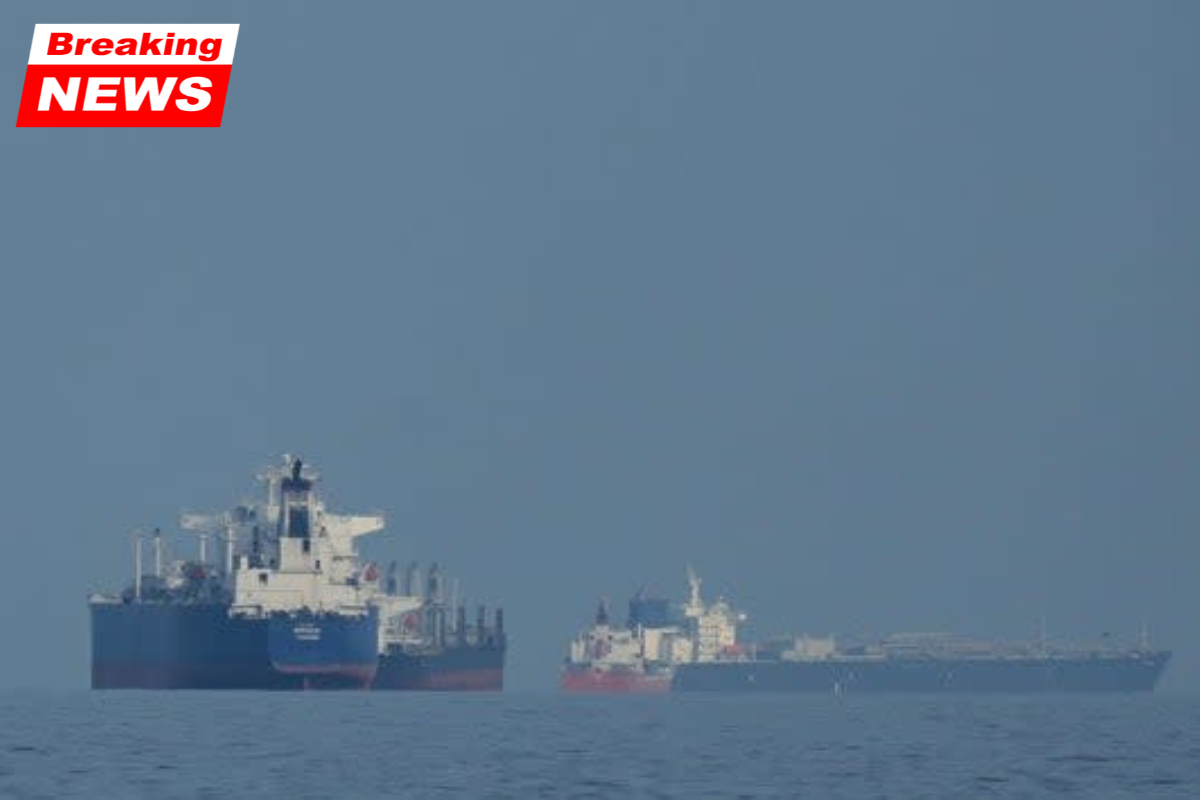
A reported proposal tied to a ceasefire between Donald Trump and Iran has raised alarm among oil industry leaders. The plan would allow Iran to charge tankers a fee for passing through the Strait of Hormuz—a critical route for global energy supply.
Free passage through international waters has long been a foundation of global trade. The idea of imposing tolls in such a key shipping lane is now drawing scrutiny and concern.
Details of the Proposed Toll System
According to reports, Iran could charge approximately $1 per barrel of oil transported through the strait. With large crude carriers often holding over 2 million barrels, that could translate into fees of around $2 million per shipment.
Some reports suggest payments could be made in alternative currencies such as Chinese yuan or cryptocurrency, adding another layer of complexity to global trade transactions.
Oil Industry Pushback
Executives in the oil sector have expressed frustration with the proposal, questioning why new costs are being introduced after military tensions appeared to ease.
Industry representatives have reportedly raised concerns directly with the White House, arguing that such a system could disrupt established trade norms and increase operational costs across the energy sector.
The core issue for many in the industry is uncertainty. A new toll system could set a precedent that changes how international waterways are managed.
Trump Suggests U.S. Role in Toll Collection
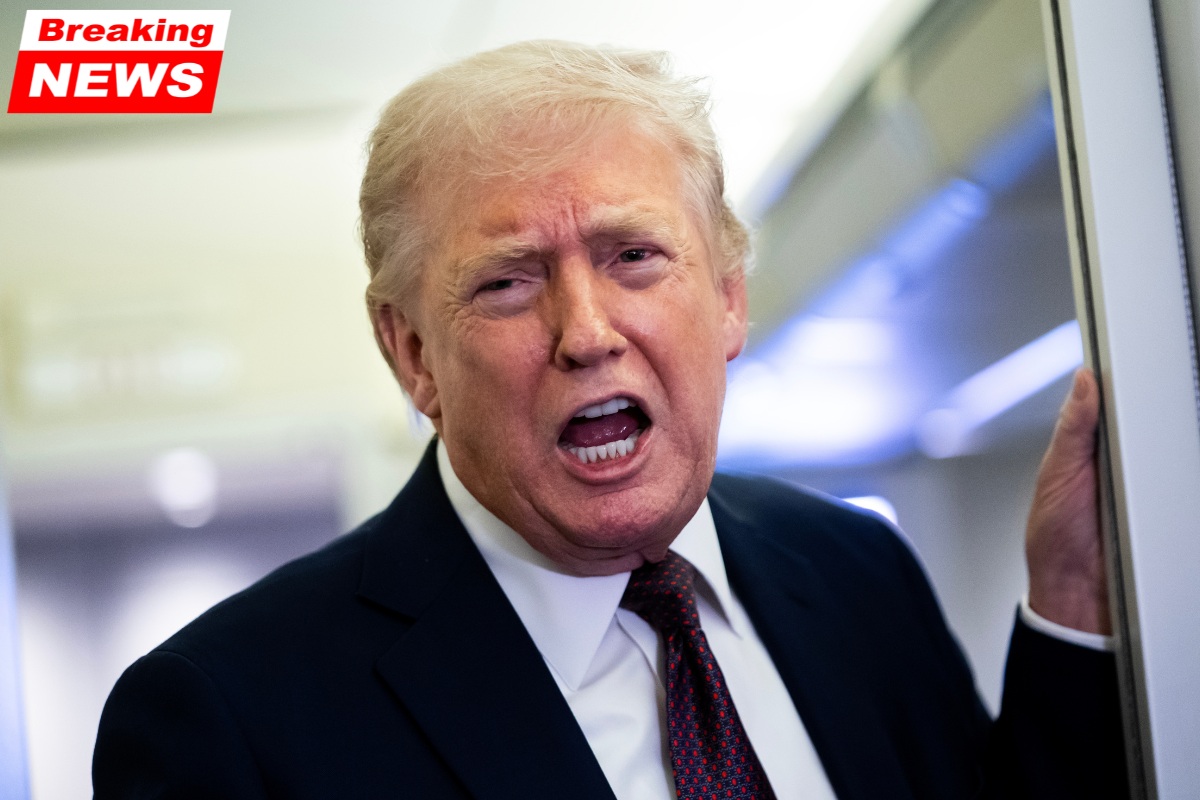
President Trump has indicated that the United States might also participate in collecting fees, describing the idea as potentially beneficial.
He suggested the possibility of a joint arrangement related to securing the waterway, framing it as both a financial opportunity and a security measure.
Why the Strait of Hormuz Matters
The Strait of Hormuz is one of the most important Oil transit routes in the world. A significant portion of global oil supply passes through this narrow passage connecting the Persian Gulf to international markets.
Any change in how access to the strait is managed could have ripple effects across global energy prices, shipping costs, and geopolitical stability.
Summary of Key Points
| Aspect | Details |
|---|---|
| Key issue | Proposed toll on oil tankers |
| Location | Strait of Hormuz |
| Estimated cost | ~$1 per barrel |
| Impact per tanker | Up to ~$2 million |
| Industry reaction | Strong concern and opposition |
| U.S. position | Considering joint involvement |
| Global implication | Potential shift in trade norms |
The proposed toll system for the Strait of Hormuz represents a significant shift from long-standing principles of free navigation in international waters. While framed as part of a broader geopolitical agreement, the plan has raised serious concerns among industry leaders and could reshape global energy logistics if implemented.
As discussions continue, the situation highlights the delicate balance between security, economics, and international trade norms.