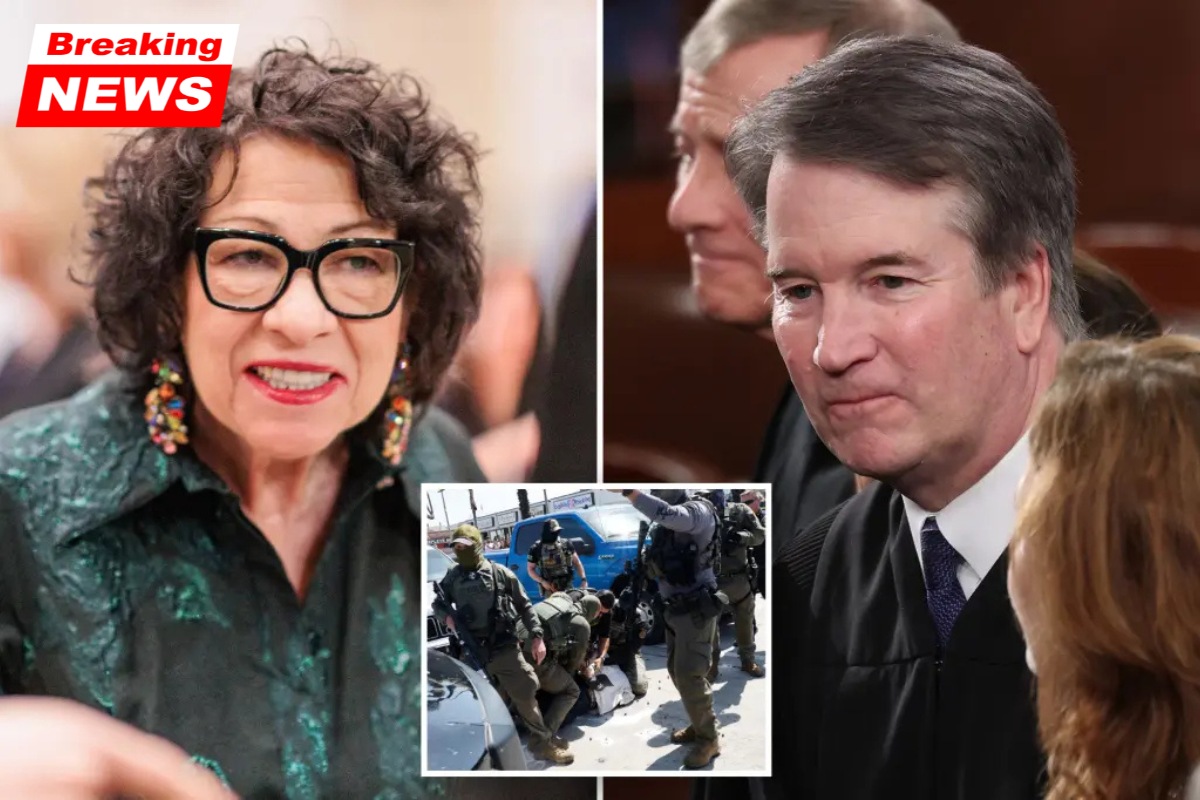
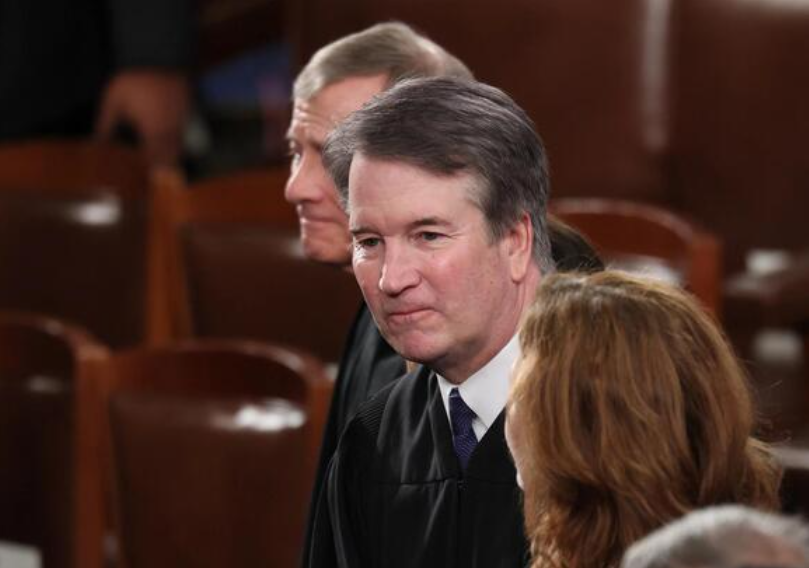
Sonia Sotomayor publicly criticized fellow Supreme Court Justice Brett Kavanaugh over his stance on immigration enforcement, raising concerns about how ICE raids affect working-class individuals.
Speaking at an event hosted by the University of Kansas School of Law, Sotomayor suggested that Kavanaugh’s perspective may be shaped by a background that does not reflect the realities of hourly workers.
Debate Over ICE Raids and “Brief” Detentions
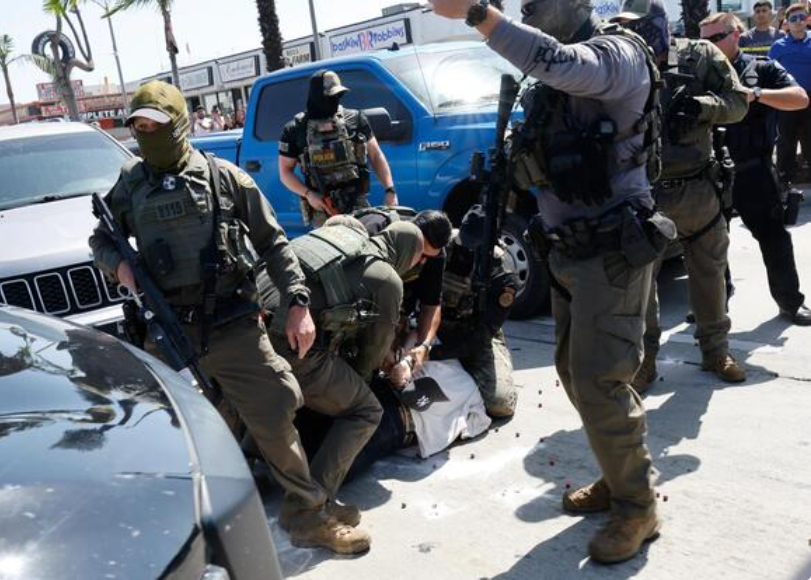
The remarks stem from a prior concurring opinion by Kavanaugh that supported allowing the Trump administration to continue immigration enforcement actions in Los Angeles.
In that opinion, Kavanaugh argued that immigration stops are generally brief and that most individuals are released quickly. He described such stops as a long-standing component of enforcement policy across multiple administrations.
Sotomayor challenged that view, emphasizing that even short detentions can have serious consequences for workers who rely on hourly wages.
Sotomayor Highlights Impact on Hourly Workers
During her remarks, Sotomayor argued that temporary detentions can still create financial hardship for individuals and families.
She pointed out that missing even a few hours of work can mean lost income that directly affects basic needs, such as food or household expenses.
Her comments framed the issue as not just a legal question, but a real-world economic concern for vulnerable communities.
Background on the Court’s Division
The disagreement reflects broader divisions within the Supreme Court of the United States over immigration enforcement policies.
Kavanaugh’s concurring opinion aligned with a majority decision allowing continued ICE operations, while Sotomayor and the court’s other liberal justices issued a dissent.
In that dissent, they raised concerns about the potential for enforcement practices to disproportionately target individuals based on appearance, language, or type of work.
Context of Immigration Enforcement Policy
Kavanaugh’s opinion emphasized that stops based on reasonable suspicion of unlawful presence have long been part of U.S. immigration enforcement.
Supporters of this approach argue it is necessary for maintaining immigration law, while critics contend it risks unfair targeting and broader social consequences.
Summary of Key Points
| Aspect | Details |
|---|---|
| Key figures | Sonia Sotomayor, Brett Kavanaugh |
| Issue | ICE raids and immigration enforcement |
| Kavanaugh’s view | Stops are brief and standard practice |
| Sotomayor’s concern | Financial harm to hourly workers |
| Court dynamic | Split between conservative and liberal justices |
| Broader debate | Enforcement vs. civil liberties |
The exchange between Sotomayor and Kavanaugh highlights an ongoing debate within the Supreme Court over immigration enforcement and its real-world impact.
While legal interpretations focus on policy and precedent, Sotomayor’s remarks underscore the human and economic consequences that can follow even brief encounters with enforcement authorities.