As President Donald Trump’s 8 p.m. Eastern deadline for Iran to reach a deal approached, chaos and panic spread across the nation. With the threat of devastating military strikes, Iranian civilians scrambled to evacuate major cities, saying their goodbyes, while defiant government leaders made a chilling decision: to send their citizens onto the streets as human shields in a desperate bid to avoid U.S. airstrikes.
The Call for Human Shields
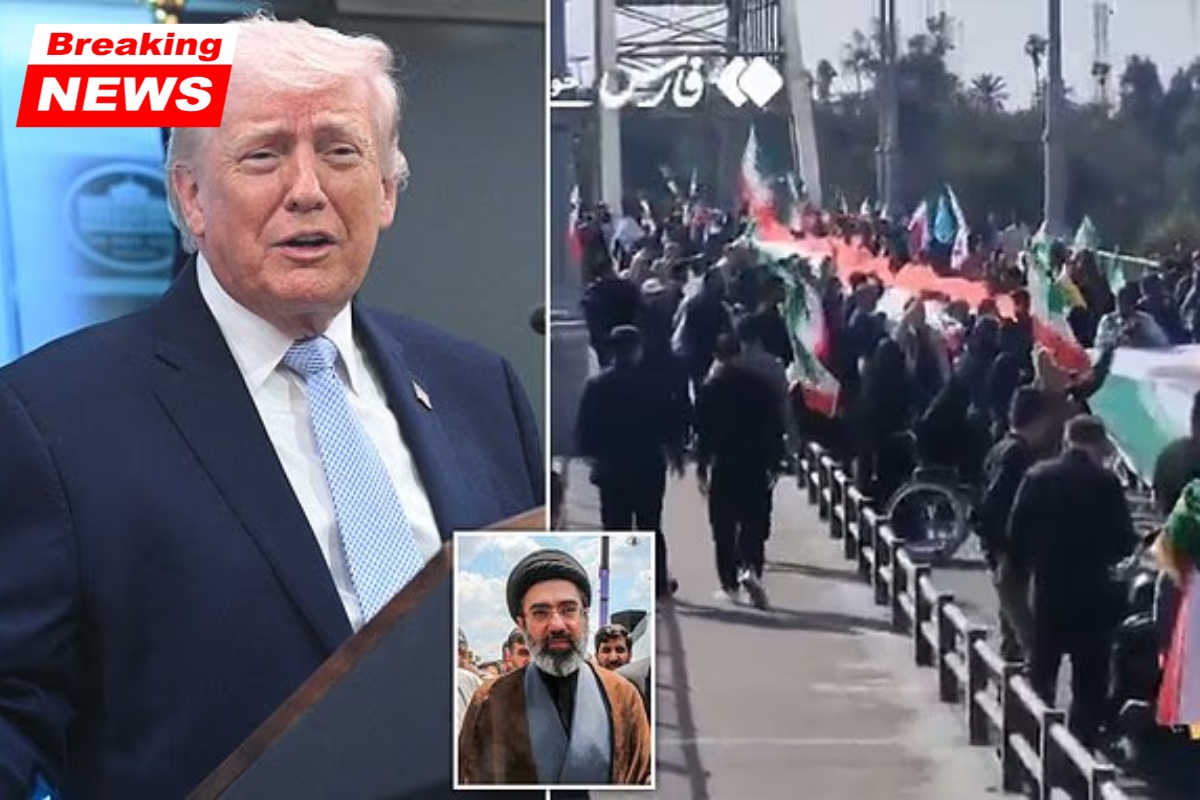
In a video captured by the Associated Press, an Iranian official, speaking in Farsi, called for civilians—including youths, athletes, artists, students, and professors—to gather at critical infrastructure sites like power plants the following day at 2 p.m. local time. The government framed this move as a strategy to expose any potential American attack as a war crime.
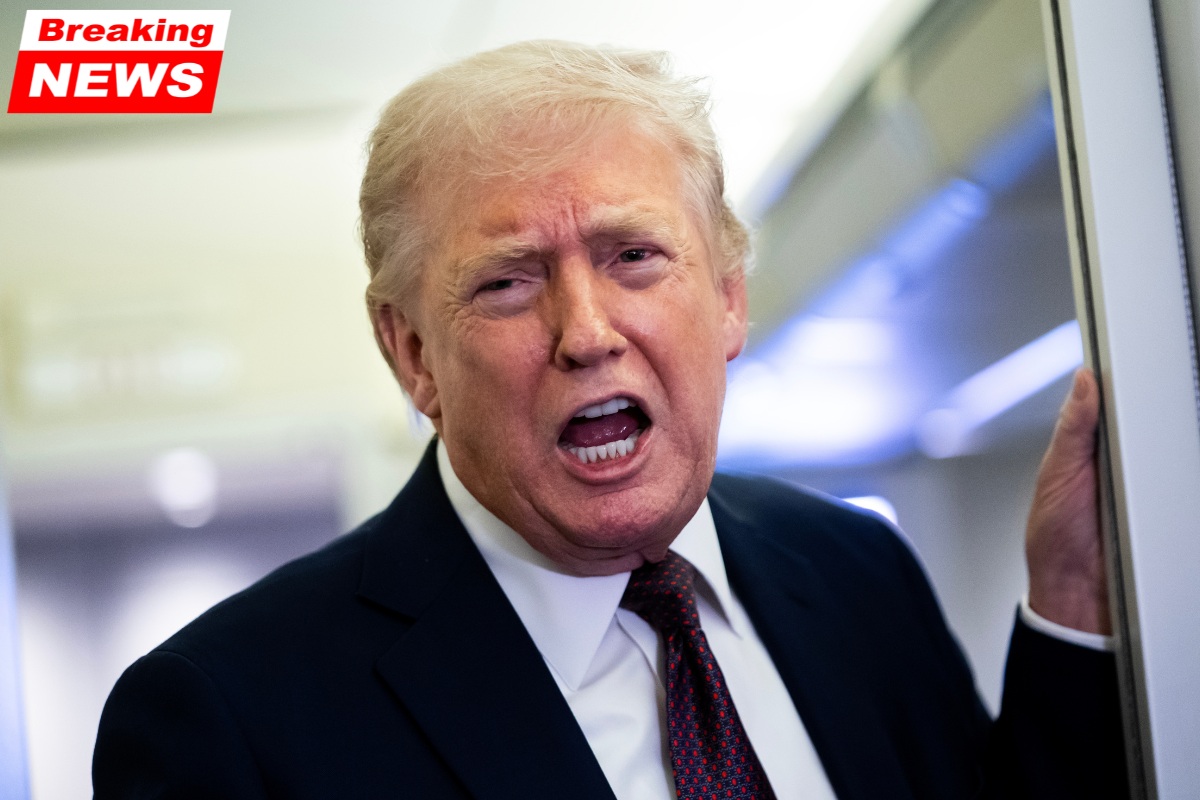
This call followed a warning by President Trump on Truth Social, where he ominously declared, “A whole civilization will die tonight, never to be brought back again. I don’t want that to happen, but it probably will.” This marked a peak in his escalating rhetoric, which included promises to dismantle Iran’s key infrastructure, such as power plants and bridges.
Scenes of Chaos in Tehran and Isfahan
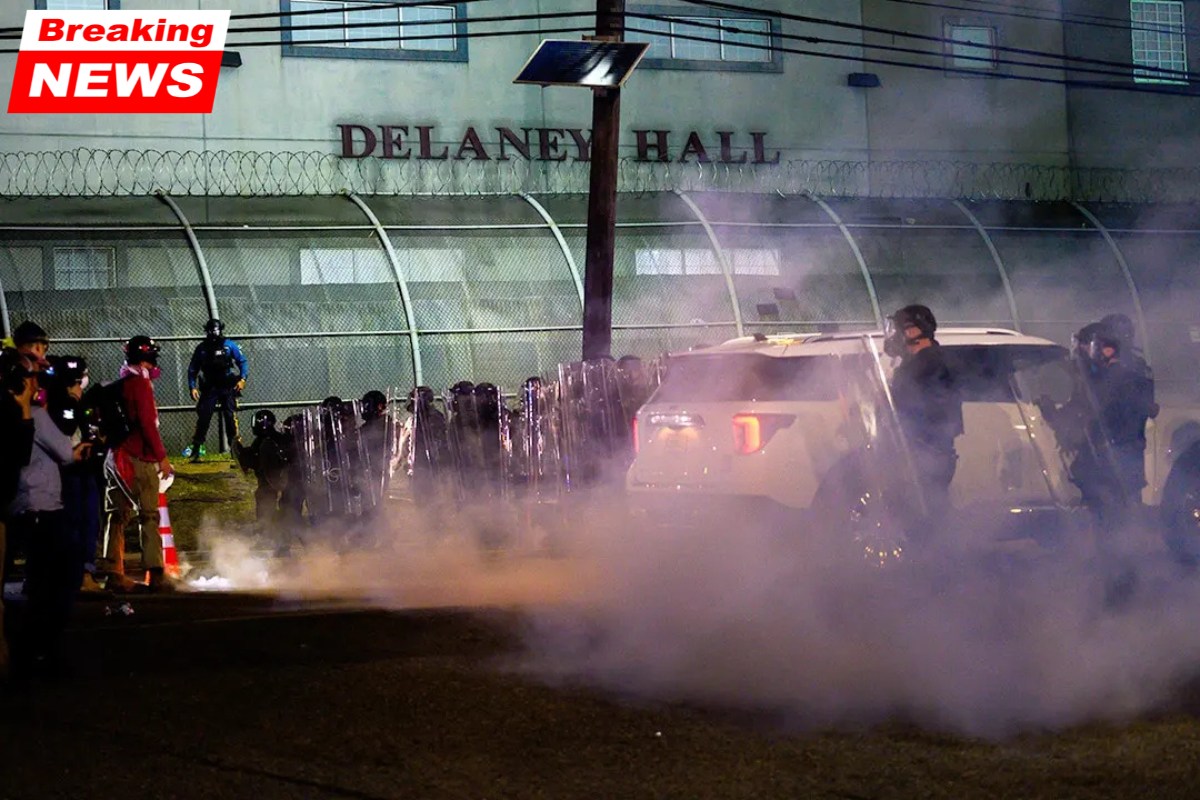
As the deadline loomed, Tehran and Isfahan were scenes of widespread panic. Road blockages and mass evacuations took place as people feared the worst. State television broadcasted appeals to citizens, instructing them to gather around key sites with their children, further heightening the already volatile situation.
One source, speaking to the Daily Mail, described the scene inside Iran: “They are announcing on national TV – come to the streets and bring your children. It’s their thing to use people as human shields. Same pattern as in Palestine. They do this instead of surrendering or making a deal.”
The source further revealed that government supporters, believing that martyrdom for the sake of Islam would ensure their place in Heaven, were likely to heed the call. They explained that these individuals are often seen chanting “death to America, death to Israel,” and will not hesitate to sacrifice their lives for the regime.
A Glimmer of Hope for Anti-Regime Citizens
Despite the escalating chaos, some anti-regime citizens saw a faint glimmer of hope. They believed that the end of the Islamic Republic’s grip on power might be imminent. One source mentioned Trump’s statement, which said, “47 years of death and corruption will end,” interpreting this as a signal that Islamic tyranny could finally be overthrown.
However, Trump’s rhetoric seemed focused on Iran’s nuclear program and the blockade of the Strait of Hormuz, not regime change. His messaging clearly outlined his goals of denuclearization rather than the toppling of the Iranian government, which left many Iranians conflicted.
The Paradox of Trump’s Rhetoric
For some, Trump’s message created a paradox. On one hand, he declared that a “whole civilization” would perish if Iran did not comply, but on the other hand, he blessed the Iranian people as “great.” This conflicting tone has left many Iranians uncertain about their future, torn between the fear of potential U.S. strikes and the desire for change in their country’s leadership.
The Terror of Waiting: Stockpiling and Communication Blackouts
Across the country, supermarket shelves were quickly emptied as people rushed to stock up on water, food, and other essentials in anticipation of rolling blackouts and severed supply chains. One Iranian said that while they had stocked up on supplies, they were still terrified of what might happen next. The threat of retaliation by the Iranian government remained an equally pressing concern.
“The government would retaliate,” the source said, noting the extreme tension between their fear of U.S. airstrikes and the brutality of the Iranian regime. For some, the government’s oppressive crackdown on communications was the final straw.
A number of Iranians, including Bahareh from Tehran, were deleting digital evidence of their contacts abroad, fearing that any communication could result in severe repercussions under the regime’s surveillance tactics.
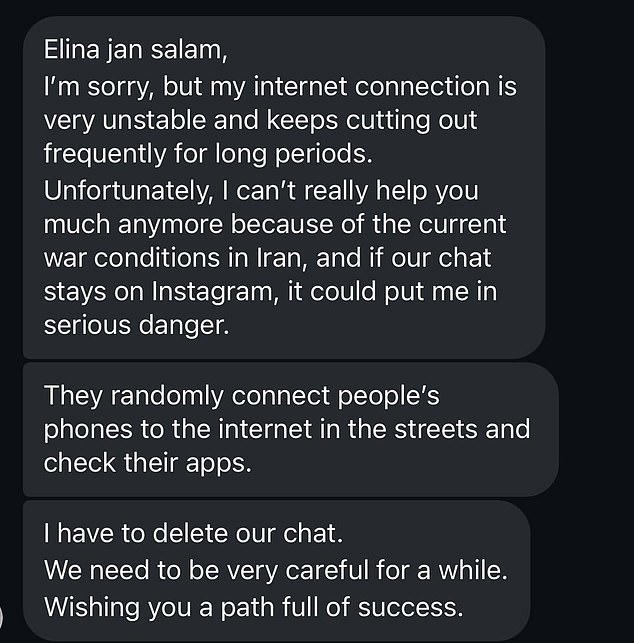
“My internet connection keeps cutting out for long periods. If our chat stays on Instagram, it could put me in serious danger,” Bahareh explained. She had already said her final goodbye to friends abroad.
Fleeing the Cities: A Race to Safety
As the situation escalated, many Iranian families sought safety in remote areas far from the power grids and military installations likely to be targeted. Some had already relocated to villages outside major urban areas, away from the chaos and potential military strikes.
One source from Iran shared that their entire family had moved to a countryside villa, seeking the peace and calm of the rural area, far from the threat of the impending conflict.
The Two-Week Ceasefire: A Last-Minute Diplomatic Effort
Just hours before the 8 p.m. deadline, President Trump announced a two-week ceasefire after Iran submitted a 10-point peace plan to end the war. The ceasefire would give the two sides time to negotiate, with Iran agreeing to reopen the vital Strait of Hormuz. For many, this ceasefire was a sliver of hope, but tensions remained high, with many still fearing that the situation could erupt into full-scale conflict.
Table Summary
| Topic | Details |
|---|---|
| President’s Name | Donald Trump |
| Ceasefire Announcement | Two-week ceasefire announced following Iran’s submission of a 10-point peace plan |
| Iran’s Proposal | Plan includes reopening the Strait of Hormuz and other points for peace discussions |
| Human Shield Tactic | Iranian government calls for civilians to gather at critical infrastructure sites |
| Trump’s Rhetoric | Rhetoric includes threats of total destruction against Iran’s infrastructure, creating a tense atmosphere |
| Civilians’ Reactions | Panic-driven evacuations, stockpiling, and attempts to flee to rural areas |
| Government Control | Iranian regime uses communications crackdown to suppress dissent and maintain control |
| Diplomatic Outcome | Ceasefire gives a brief window for negotiations to prevent war |
| Global Reactions | The world anxiously awaits the outcome, with diplomacy and military action at a crossroads |
The World Watches as Diplomacy Struggles
As the clock ticked down toward President Trump’s final deadline, the world held its breath, hoping that last-minute diplomacy could avert a catastrophic war. For Iranians, the fear of a devastating war was only rivaled by the terror of what their government might do in retaliation.
As the ceasefire was announced, a tentative sense of relief spread, but the future of the region remained uncertain, with many hoping that a peaceful resolution might finally emerge from the brink of disaster.