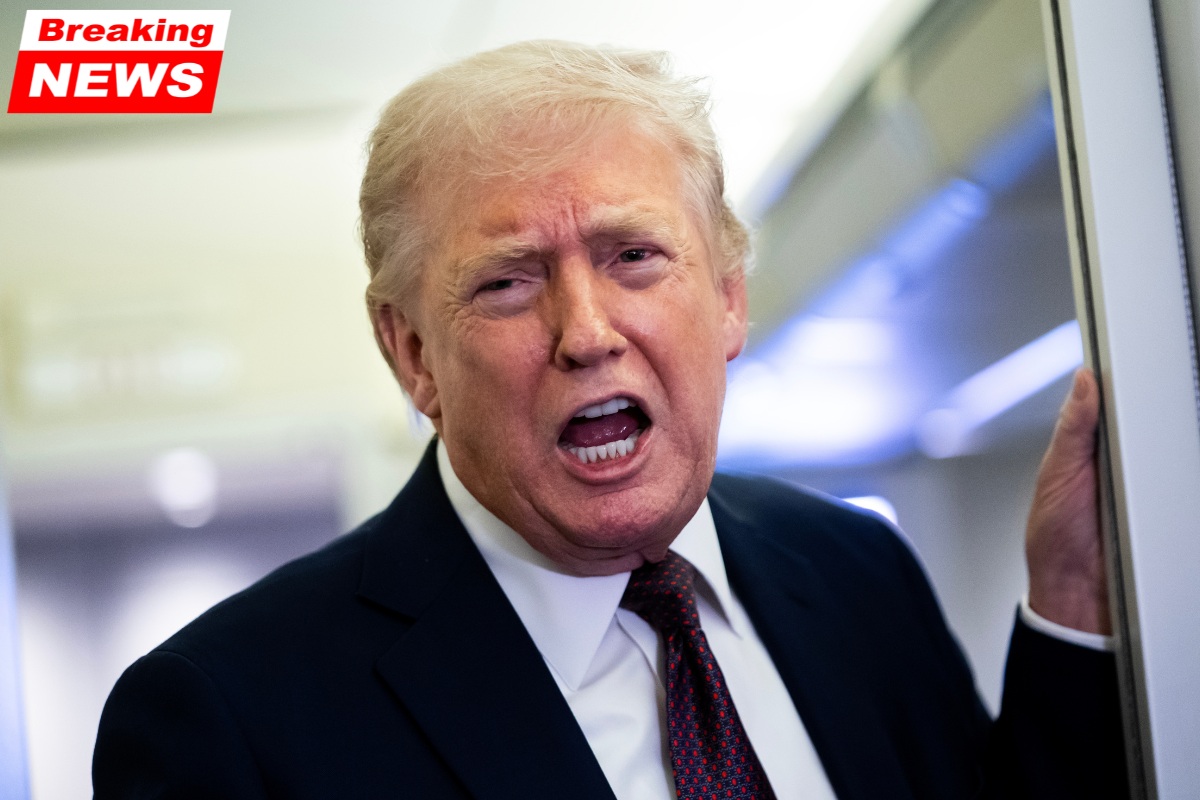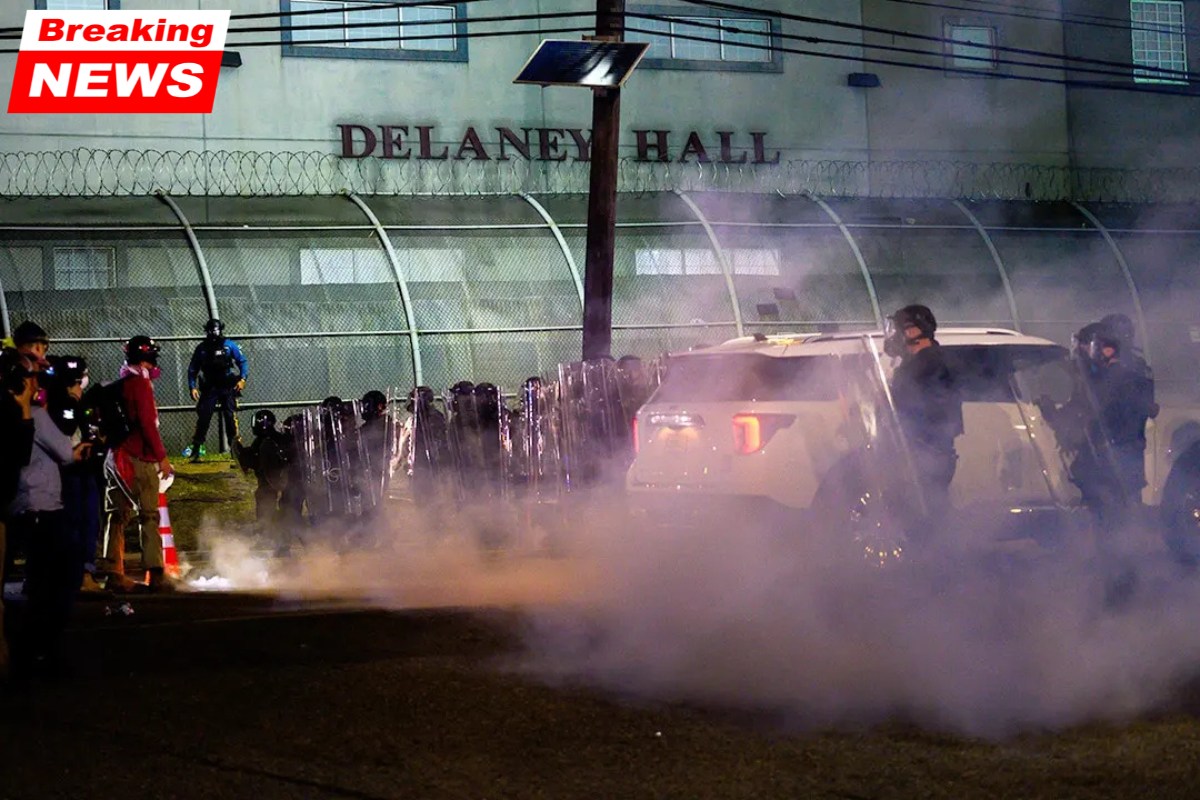
The ongoing conflict between the U.S. and Iran has intensified dramatically, with both sides exchanging dire threats as military actions escalate. U.S. President Donald Trump has warned Iran that “all hell would rain down on them” unless they make a deal, a statement that Tehran has firmly rejected, escalating the tension even further.
Escalating Strikes and Threats
On Saturday, Iran fired additional missile strikes at targets across the Gulf States, Iraq, and Israel, with debris from intercepted missiles causing significant damage in multiple regions. This followed a previous wave of strikes that included attacks on telecommunications towers in the Iranian city of Dehdasht, as reported by Tasnim News Agency, linked to the Islamic Revolutionary Guards Corps.
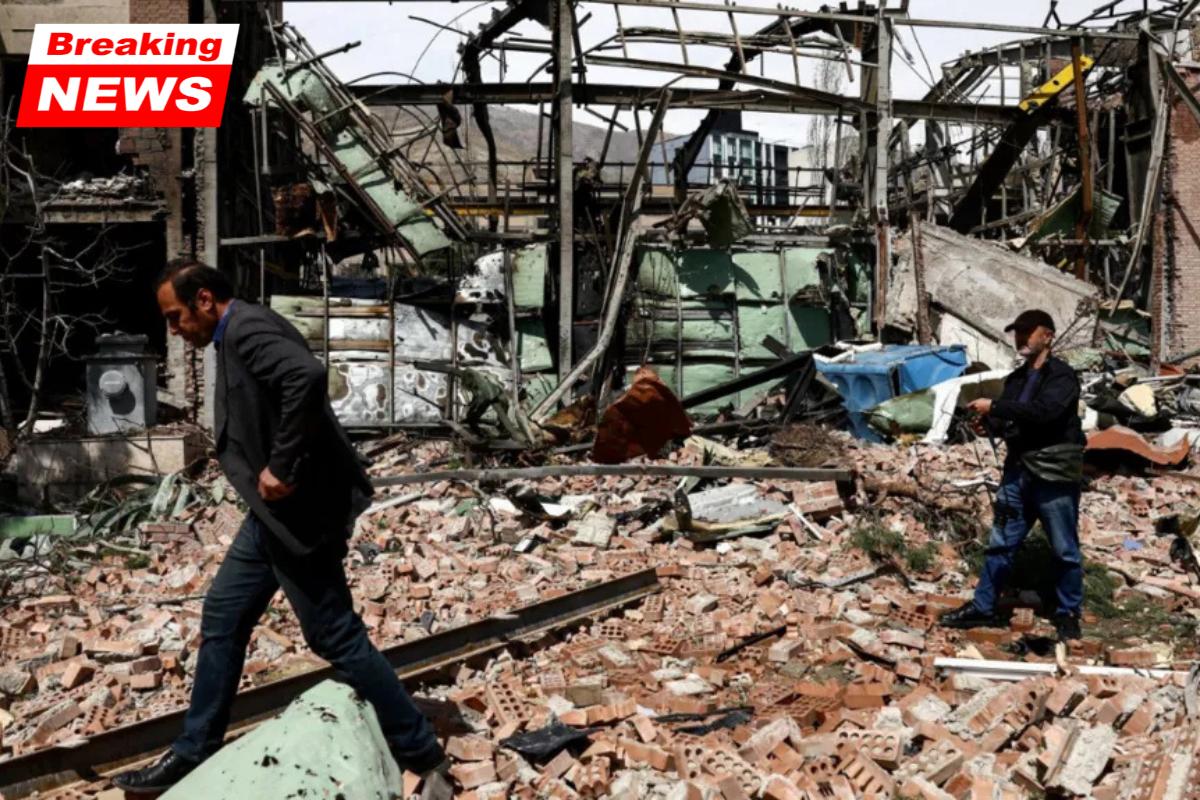
Meanwhile, the U.S. has been conducting continued bombardments of Iranian military and energy infrastructure, with a focus on Iran’s petrochemical facilities and the Bushehr nuclear power plant. According to Iranian state media, five people were killed, and 170 were injured during a strike on the Mahshahr petrochemical hub, which has also been a frequent target in the conflict.
Trump’s warnings of escalating U.S. military action followed a ten-day pause in attacks, with the president threatening to resume bombings of Iranian energy plants if Iran does not agree to a deal or reopen the Strait of Hormuz within 48 hours.
Missing American Crew Member and Tensions on the Ground
The violence has also compounded the search for a missing U.S. weapon systems officer, after a U.S. F-15 fighter jet was shot down over Iran on Friday. Reports indicate that the pilot of the F-15 was rescued, but the search for the officer continues, with Iranian authorities encouraging citizens to assist in locating the missing crew member. Iranian officials have even gone so far as to offer bounties for information leading to the officer’s capture.
During the search, an A-10 Warthog aircraft, part of the initial rescue mission, was also shot at and damaged. However, the pilot managed to eject and was rescued, underscoring the danger that U.S. forces face on Iranian territory.
Trump’s Continuing Aggression and Iran’s Rejection
Trump’s threat to resume military action against Iran came alongside a social media post where he claimed that many of Iran’s military leaders had been terminated in a massive strike on Tehran. Despite Trump’s insistence on the success of the strikes, the video he shared appeared to be several hours old, leading to questions about the accuracy and timeliness of his statements.
Iran has dismissed Trump’s threats as empty rhetoric, with Gen. Ali Abdollahi Aliabadi of Iran’s central military command calling the President’s actions “helpless, nervous, unbalanced, and stupid.” Iran’s military has responded by warning that any escalation of hostility will make the entire region a “hell” for the U.S. and Israel.
Regional Impact: Strikes and Damage Across the Gulf
The situation has had a profound impact on the surrounding regions. Kuwait reported significant damage from an Iranian drone attack, which knocked out power generation stations and targeted water desalination plants. These attacks further disrupted regional infrastructure, escalating the humanitarian toll in the Gulf States. Israel, too, reported successful interceptions of Iranian missiles launched towards the country.
In addition to military strikes, Iran’s nuclear facility at Bushehr has been targeted multiple times, raising concerns about potential risks to nuclear safety. While Iran’s Atomic Energy Organization reported one death and damage to the area around Bushehr, the International Atomic Energy Agency (IAEA) has stated that no increased radiation levels have been detected.
Nuclear Program and International Concerns
Iran’s nuclear program has been a long-standing point of contention, fueling extensive international sanctions and military interventions. The U.S.-Israeli war with Iran began in late February 2026, just two days after a third round of indirect U.S.-Iran nuclear talks in Geneva, aimed at addressing concerns over Iran’s nuclear ambitions.
As the war continues, concerns about the broader implications of escalating violence and potential nuclear risks grow, especially as both sides brace for further military strikes and diplomatic breakdowns.
An Intensifying Conflict
The conflict between the U.S. and Iran is rapidly escalating, with military actions intensifying on both sides. President Trump’s threats of further military action, including attacks on Iranian energy infrastructure, underscore the high stakes of the ongoing war.
Meanwhile, Iran’s defiant response and continued missile strikes on neighboring countries have led to significant regional instability. As both sides remain entrenched in their positions, the situation grows increasingly precarious, with no clear path to de-escalation in sight.