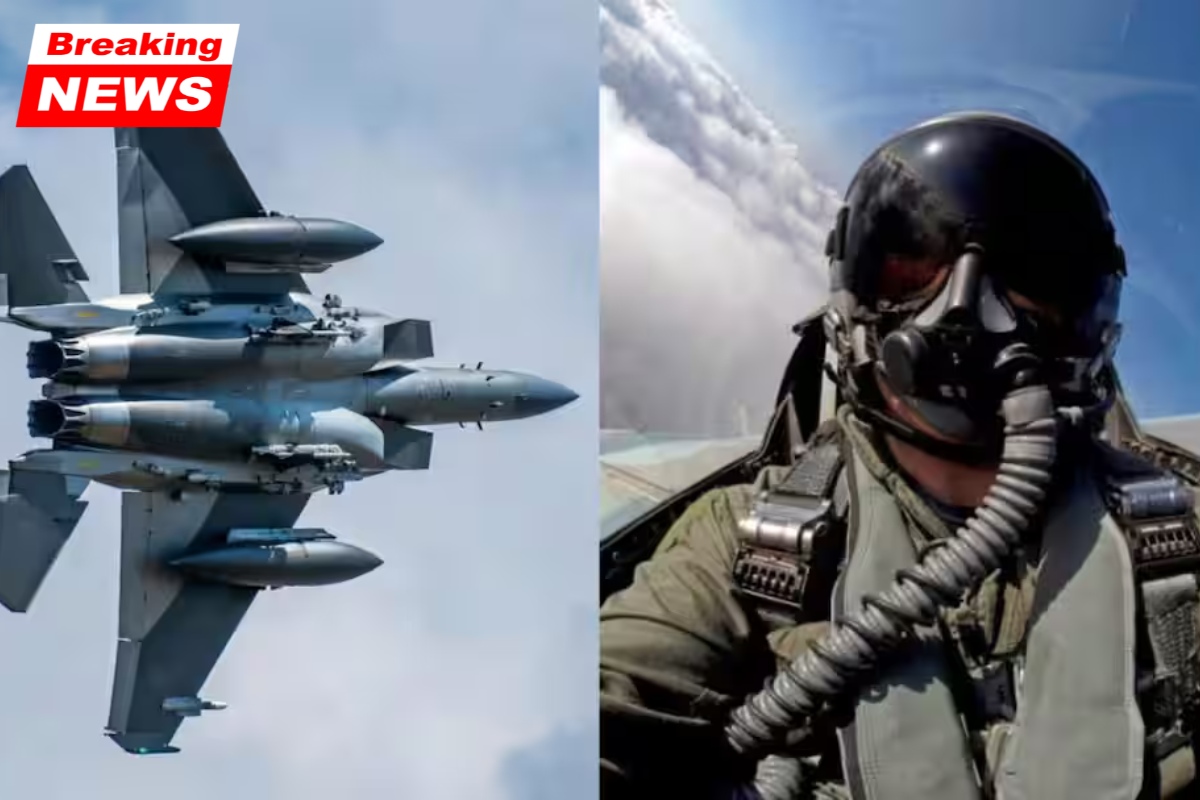
A dramatic and perilous rescue mission unfolded early this morning as a missing American pilot, shot down over Iranian territory, was saved in a bold operation, confirmed by President Donald Trump. The daring rescue, which involved intense gunfire and a multi-hour operation, marks one of the most significant search and rescue missions in U.S. military history.
The Crash and the Immediate Search
On Friday, a U.S. F-15E Strike Eagle jet was shot down by Iran, leaving two American crew members stranded in the hostile Iranian hinterland near the Iraqi border. The two pilots ejected from the aircraft, and while one was quickly rescued, the second pilot, a colonel, remained in perilous territory.
Following the crash, U.S. Central Command launched a high-stakes mission to retrieve the remaining airman. U.S. forces deployed Black Hawk helicopters and low-flying refueling planes, but their efforts were met with heavy resistance. The aircraft were fired upon during the rescue attempt, though the helicopters successfully returned to Iraqi territory despite taking damage.
The Rescue Operation
The rescue operation took a dramatic turn as elite U.S. Special Forces, known as the PJs (Pararescuemen), were deployed for the critical extraction. These highly trained personnel specialize in Personnel Recovery (PR) missions and have a reputation for executing life-saving operations under extreme conditions. Their skills, including parachuting from 30,000 feet and performing life-saving procedures under enemy fire, were key to the success of this operation.
The mission, initially intended to be completed under the cover of darkness, extended into daylight, with U.S. air support engaging in heavy fire to protect the operatives as they retrieved the stricken pilot. The mission involved numerous aircraft, showcasing the U.S. military’s overwhelming air dominance and superior capabilities in the region.
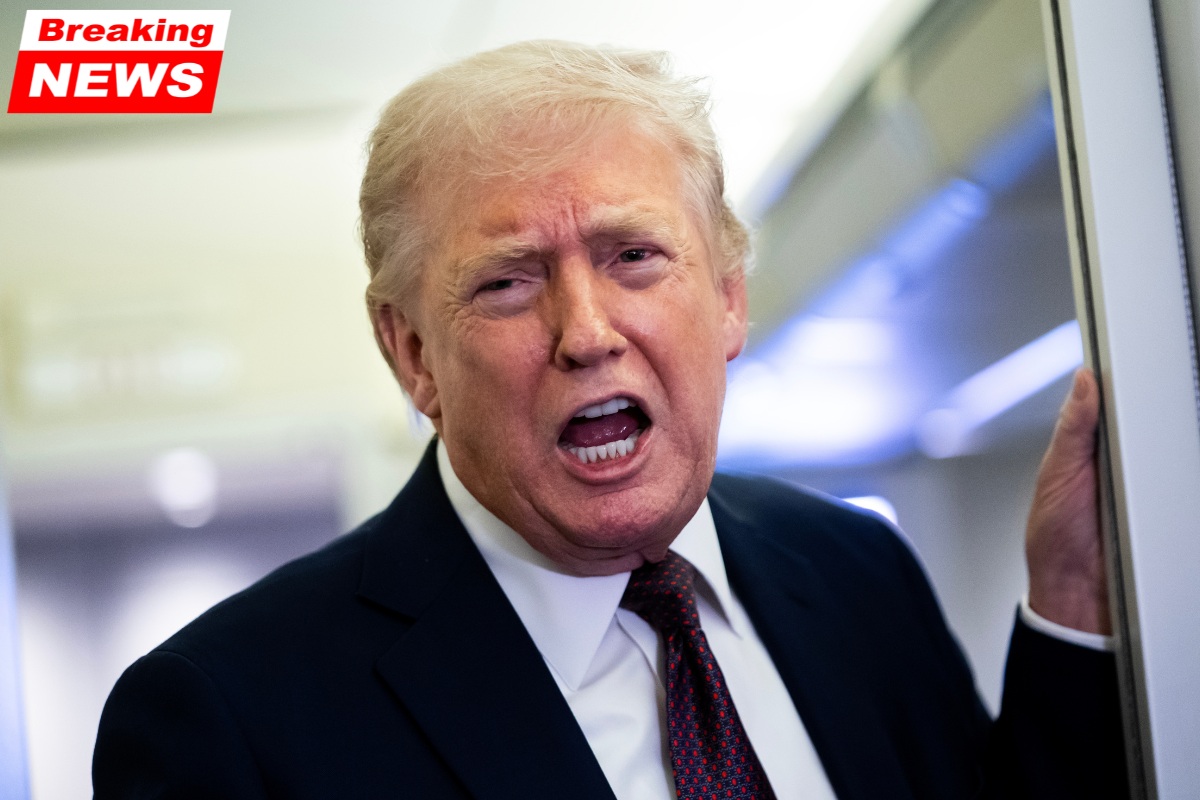
President Trump lauded the operation in a statement, calling it one of the “most daring Search and Rescue Operations in U.S. History.” Trump expressed pride in the rescue, which was carried out without any American casualties, underscoring the U.S. military’s strength and professionalism.
Trump’s Response and Escalating Tensions
In the aftermath of the successful rescue, President Trump issued a series of defiant statements. He praised the U.S. military’s efforts and reiterated the message that the U.S. would not leave any American soldiers behind, asserting, “WE GOT HIM!”
Trump also hinted at further escalation, warning Iran of severe consequences if they did not come to the negotiating table. He threatened intensified military action against Iran’s energy infrastructure, vowing to “rain hell” on the regime if they failed to make a deal. His words were clear: “48 hours before all hell will reign down on them.”
Iran responded with its own rhetoric, vowing to turn the region into a “hell” for U.S. soldiers if further aggression occurred. The country’s spokesman warned that any further escalation would lead to a broader regional conflict, stating, “The illusion of defeating the Islamic Republic of Iran has turned into a swamp in which you will sink.”
The U.S. Military’s Role: The Pararescuemen
The special forces unit responsible for the extraction of the American pilot, the Pararescuemen, are among the most elite in the world. With a motto of “These Things We Do, That Others May Live,” they are often pre-deployed in war zones and specialize in retrieving personnel from hostile environments. This unit, established in 1946, comprises around 500 operators and is renowned for its extraordinary capabilities under fire.
Aaron MacLean, a security analyst and Marine Corps veteran, praised the unit, stating, “They are an extraordinary group of special operators.” The PJs have been critical in past high-risk rescue operations, making their involvement in this mission a testament to their skill and dedication.
The Aftermath: U.S. Military Success and Iran’s Response
The successful rescue of the American pilot serves as a powerful demonstration of U.S. military strength and commitment to its personnel. However, it also marks an intensification of tensions between the U.S. and Iran. With escalating threats from both sides, the region remains on edge, and the geopolitical landscape is expected to shift as a result of these events.
In his final remarks about the mission, President Trump shared footage of massive airstrikes on Iran, showcasing the continuing U.S. military efforts against Iran’s leadership. He also emphasized that the operation was a victory not just for the U.S. military, but for all Americans. “We have the best, most professional, and lethal military in the history of the world,” Trump declared.
Key Takeaways
- Daring Rescue: A missing American pilot was successfully rescued in a high-risk operation by U.S. Special Forces, following a downed fighter jet in Iranian territory.
- Military Strength: The operation showcased the overwhelming air dominance of the U.S. military, with dozens of aircraft involved and intense air support.
- Tensions Rise: President Trump issued a stern warning to Iran, threatening increased military action if Iran does not engage in negotiations.
- Elite Forces Involved: The rescue was led by the Pararescuemen, an elite unit known for executing high-stakes operations under extreme conditions.
- Escalating Conflict: The rescue and Trump’s threats signal a further escalation in U.S.-Iran tensions, with both sides preparing for potential conflict.
A High-Stakes Mission and Growing Tensions
The successful rescue of the American pilot highlights the bravery and skill of U.S. military forces, particularly the elite Pararescuemen, who have once again proven their mettle in a high-stakes operation. However, the mission also serves as a reminder of the ongoing tensions between the U.S. and Iran, with the potential for further escalation in the region. As President Trump prepares for possible military action, the future of U.S.-Iran relations remains uncertain.