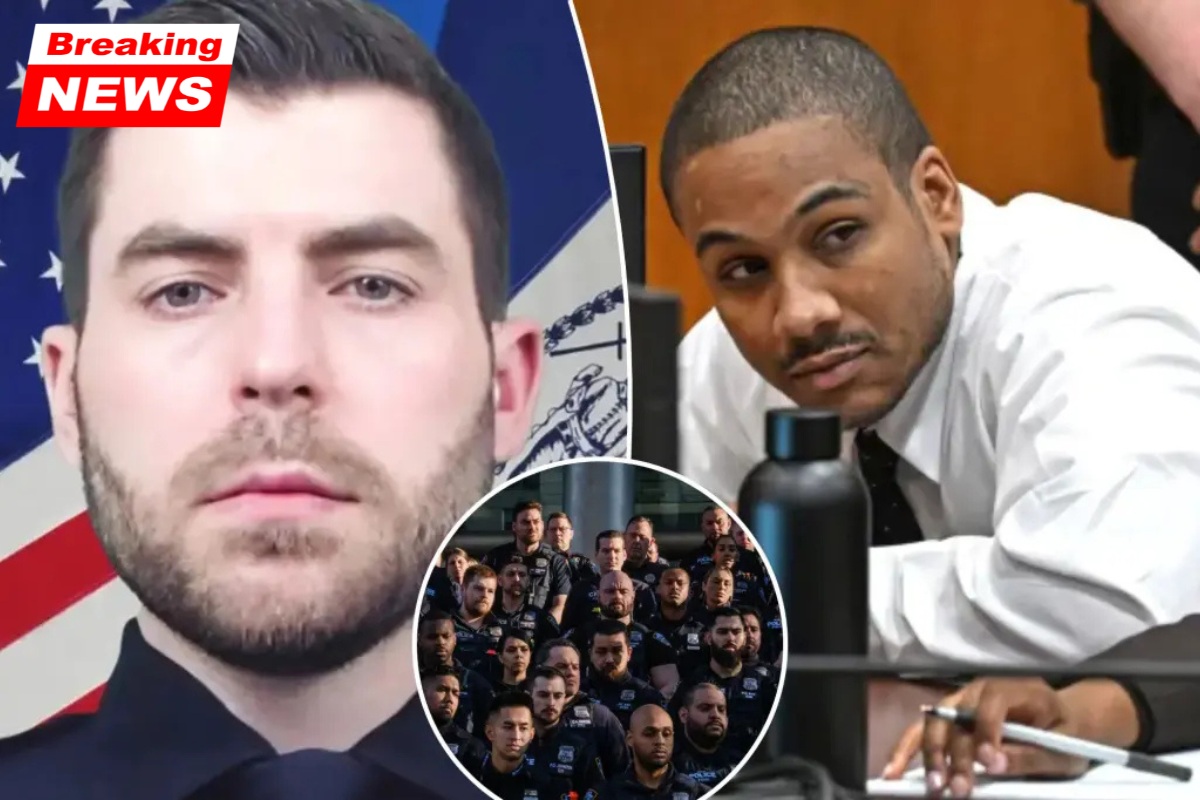
The case surrounding the tragic death of Jonathan Diller continues to resonate deeply across New York City, especially within the New York City Police Department. Two years after his death in the line of duty, a recent jury verdict has reignited emotional responses and raised questions about justice, accountability, and the risks faced by police officers.
Case Overview and Key Details
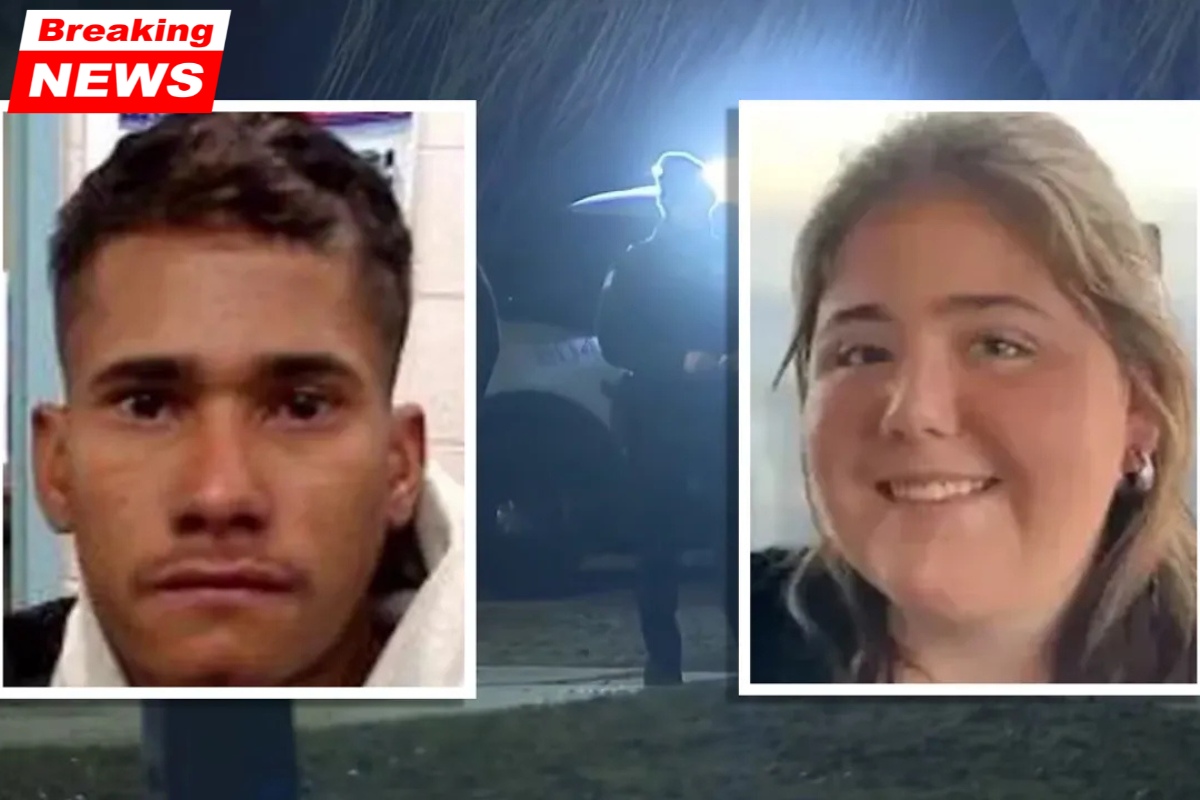
Detective Jonathan Diller, a 31-year-old NYPD officer, was fatally shot in Queens while performing his duties. He was not only an officer but also a husband and father, remembered for his dedication and courage.
The accused, Guy Rivera, a repeat offender, was charged in connection with the shooting. The incident occurred during a routine police operation, where Diller stepped into a dangerous situation—one that ultimately cost him his life.
Key Facts Summary
| Category | Details |
|---|---|
| Victim | Jonathan Diller (31, NYPD Detective) |
| Defendant | Guy Rivera |
| Location | Queens, New York City |
| Incident | Fatal shooting during duty |
| Major Charge Outcome | Not guilty of first-degree murder |
| Other Convictions | Aggravated manslaughter, attempted murder, weapons charges |
| Potential Sentence | 90+ years without parole |
The Jury Verdict and Its Impact
The jury delivered a verdict that found Rivera not guilty of first-degree murder, a decision that was described as a “gut punch” to the NYPD community.
Despite what officials described as strong evidence suggesting intentional targeting of a uniformed officer, the jury reached a different legal conclusion. However, Rivera was convicted on several other serious charges, including aggravated manslaughter and attempted murder.
The outcome reflects the complexity of the judicial process, where juries must interpret evidence based on strict legal definitions and standards. Still, the verdict has left many feeling that the gravity of the crime was not fully acknowledged.
Legal Outcome and Sentencing Possibilities
Although Rivera avoided a first-degree murder conviction, he still faces a potentially severe sentence. With multiple convictions, he could spend more than 90 years in prison without parole.
There remains a possibility that the judge, through sentencing, may impose a punishment that ensures Rivera never returns to society. For many, this represents the remaining path toward justice.
Response from Law Enforcement Leadership
Melinda Katz and her office were acknowledged for their efforts in prosecuting the case and pursuing justice for Detective Diller and his family.
Law enforcement officials emphasized that while the jury’s decision must be respected, it does not erase the pain or the belief among officers that the crime constituted intentional murder.
The case has had a profound emotional impact across precincts, detective squads, and patrol units throughout the city.
Support for the Family and NYPD Solidarity
The NYPD has shown unwavering support for Diller’s family, particularly his widow, Stephanie, and their son, Ryan. Officers filled courtrooms during proceedings, demonstrating solidarity and respect.
Beyond the courtroom, the department has pledged continued support—through anniversaries, milestones, and everyday moments. This reflects the strong sense of unity often described as the “brotherhood and sisterhood” within the force.
The Broader Meaning: Duty, Risk, and Sacrifice
The death of Jonathan Diller highlights the inherent dangers of policing. Officers routinely step into unpredictable and high-risk situations, driven by a commitment to public safety.
This case serves as a reminder that when an officer is killed in the line of duty, it is not only a personal tragedy but also a societal moment of reflection. It raises critical questions about how such sacrifices are recognized and how justice is defined.
Key Takeaways
- Jonathan Diller was killed while serving as an NYPD detective
- The accused was not convicted of first-degree murder but found guilty on other major charges
- The verdict has sparked strong emotional reactions within the NYPD
- A lengthy prison sentence is still possible
- The department continues to support Diller’s family
The case of Jonathan Diller is a powerful reminder of the risks law enforcement officers face every day. While the legal process has delivered a partial resolution, the emotional and symbolic impact of the verdict continues to be felt.
Justice, in this instance, remains a subject of debate. For the NYPD and Diller’s loved ones, the loss cannot be measured solely by court outcomes. His legacy endures through the officers who continue to serve and protect, carrying forward the values he embodied.
Detective Jonathan Diller’s service and sacrifice will remain a lasting part of New York City’s history, and his memory will continue to inspire those who wear the badge.